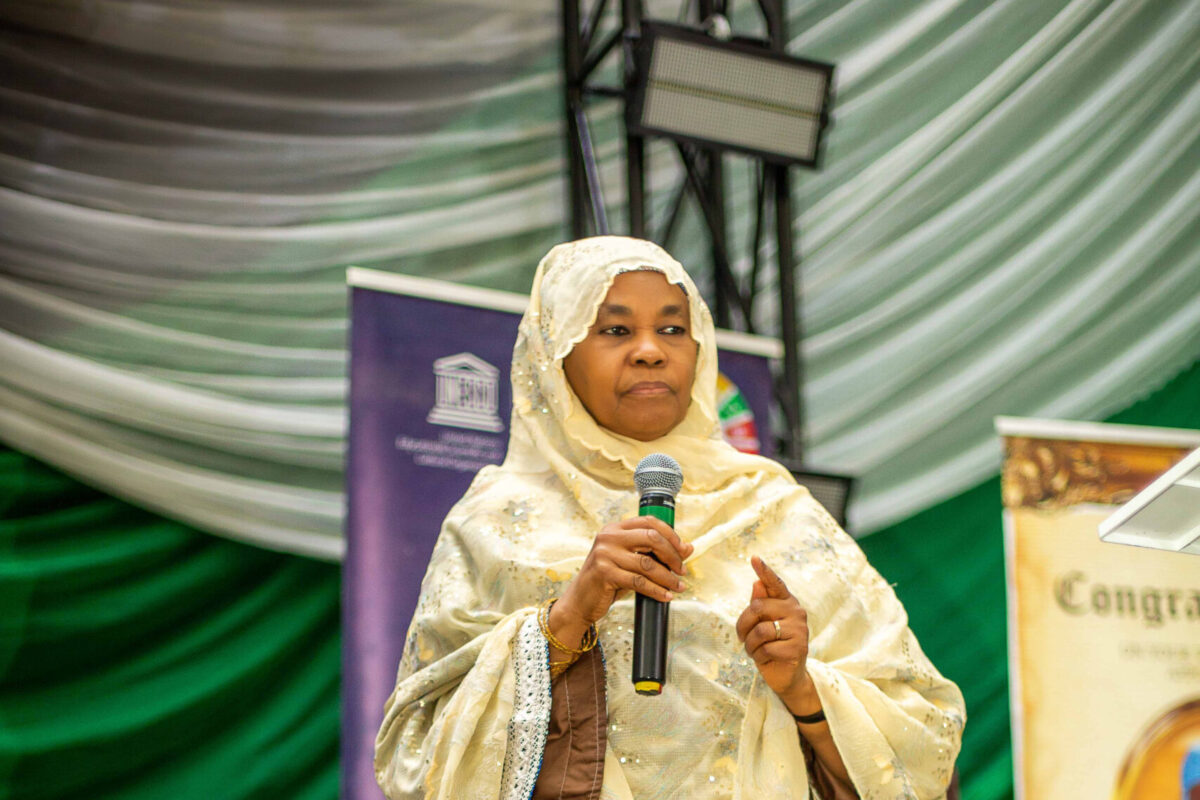
UNESCO REF Media Centre | Opinion and Leadership | Young Women in AgricultureProf. Hafsat Ganduje: “Women Are the Backbone of Our Nation’s Food System”, A Clarion Call for the 12 Million Young Women in Agriculture
UNESCO REF Media Centre | Abuja, Nigeria | 10 March 2025
At the national flag-off of the UNESCO REF and POWA 12 Million Young Women in Agriculture Mobilisation Campaign, Prof. Hafsat Ganduje framed the campaign as a covenant of dignity, opportunity and security for Nigerian families, and called on every State of the Federation to take part.
Read this story and more from the Opinion and Leadership series at the UNESCO REF Media Centre.
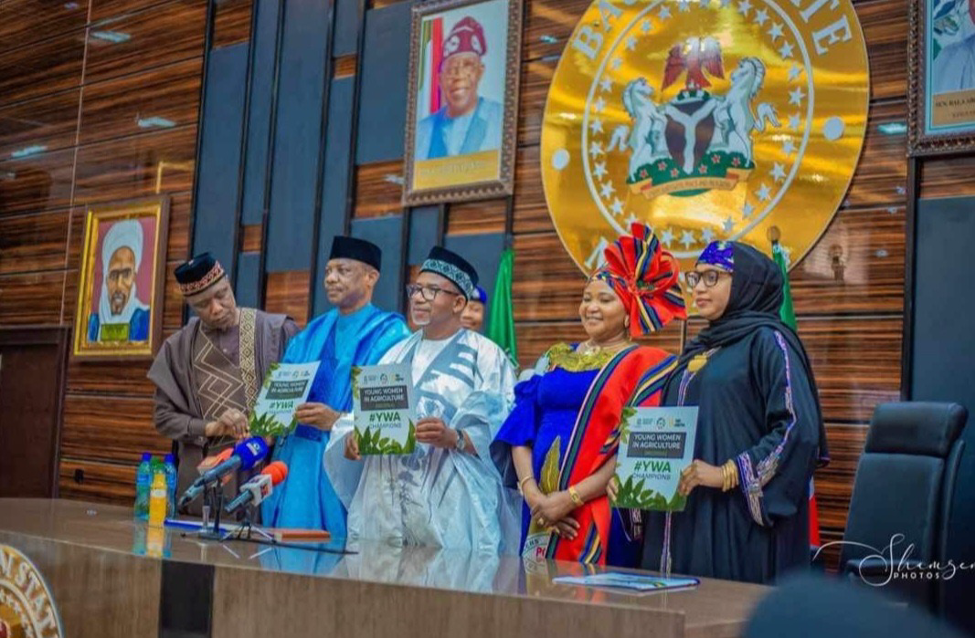
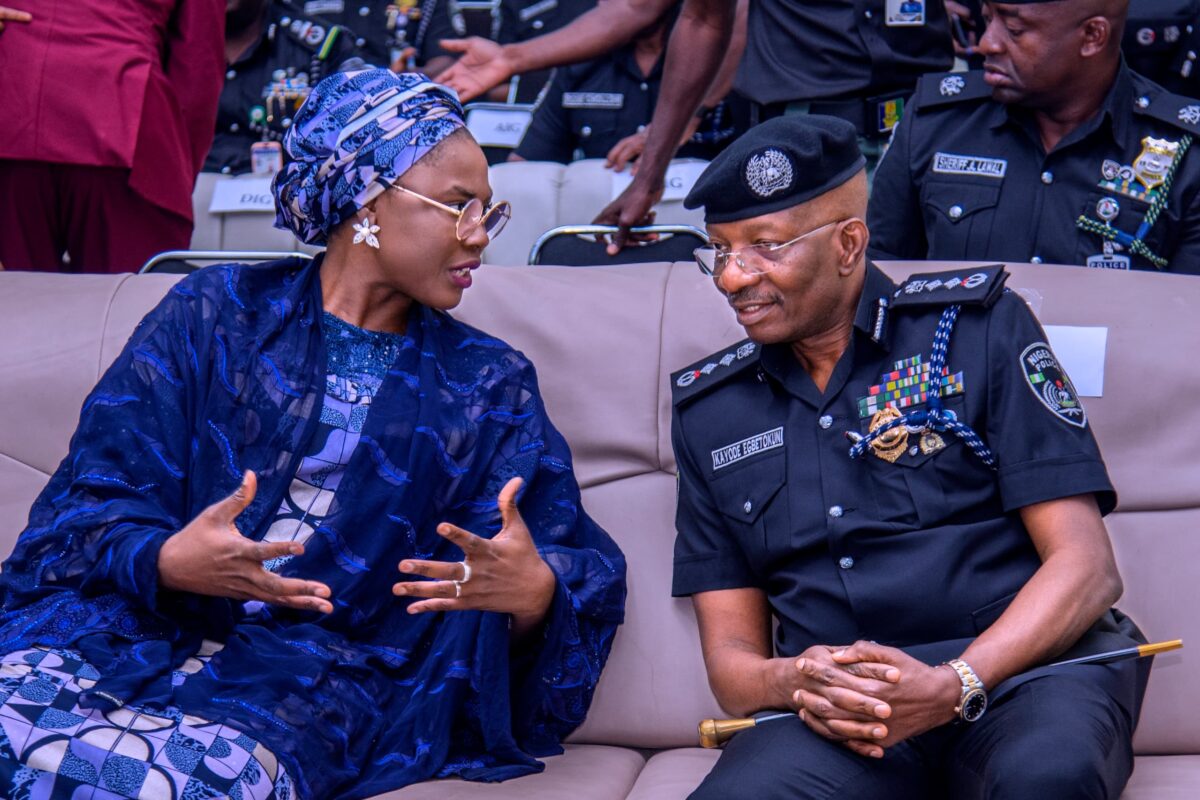
ABUJA, Nigeria, 10 March 2025. Prof. Hafsat Ganduje, a distinguished and long-standing advocate for the empowerment of Nigerian women, has issued a clarion call to the nation: women, she declared, are the backbone of our nation’s food system. She was speaking in Abuja at the national flag-off of the 12 Million Young Women in Agriculture Mobilisation Campaign, convened by the Read and Earn Federation, for UNESCO (UNESCO REF) and the Police Officers’ Wives Association (POWA) to mark International Women’s Day.
Her words gave voice to a truth long evident in Nigeria’s fields, markets and kitchens, yet too rarely reflected in policy, finance and public recognition. The flag-off launched one of the most ambitious mobilisations of women in the country’s agricultural history: a campaign to reach 12 million young women, two million in each of the six geopolitical zones, under the theme “Enhancing the Economic Value of Nigerian Women through the Agricultural Value Chain.”
A covenant, not merely a programme
Une alliance, et non un simple programme
“Women are the backbone of our nation’s food system.”
Prof. Hafsat Ganduje
Prof. Ganduje placed the campaign in its proper frame. It is, in her account, far more than an agricultural programme: it is a covenant of dignity, opportunity and security for families across the Federation. Dignity, because it recognises the labour that women already give to the nation’s food supply. Opportunity, because it equips young women with the skills, certification and technologies that turn subsistence into enterprise. Security, because a household in which women earn and produce is a household better able to feed itself.
She stressed the grassroots character of the campaign, recognising that its success will be decided not in conference halls but in communities, where young women farm, process and trade.
A call to every State
Un appel à chaque État
Central to Prof. Ganduje’s message was an appeal to every State of the Federation to take part. The campaign’s architecture depends on that response. A national target of 12 million can only be reached through State governments, local institutions and community leaders who identify participants, provide access to land and inputs, and sustain the effort beyond its launch.
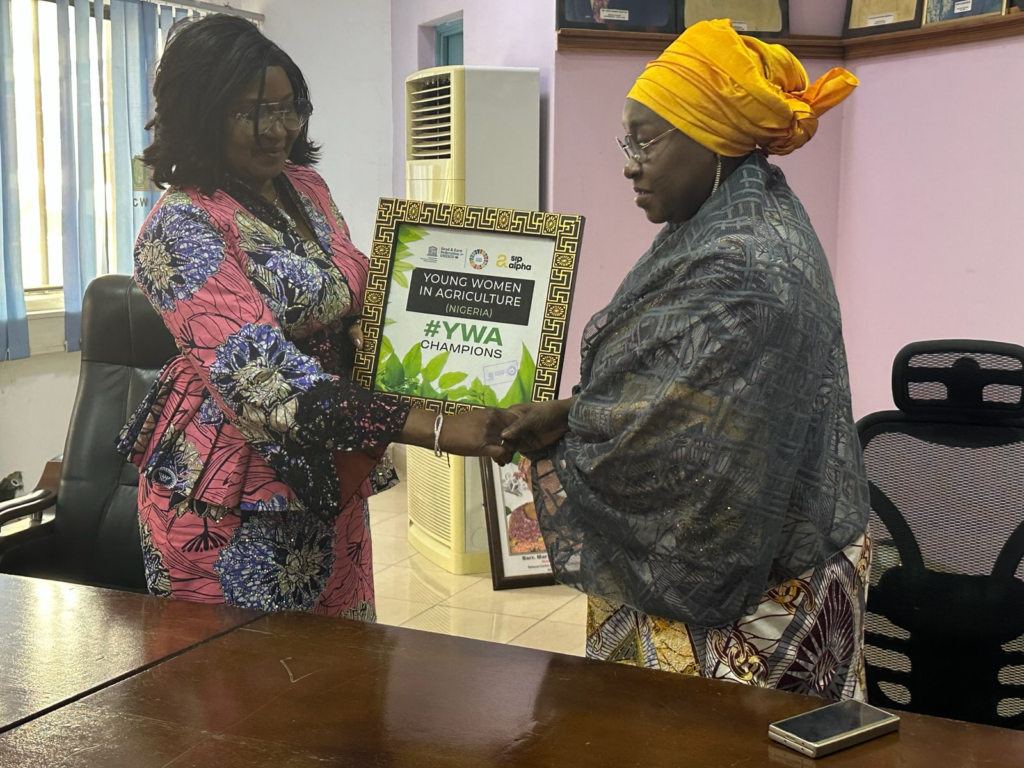
The appeal builds on partnerships the programme had already established at State level, including the collaboration agreed with the Ogun State Government in September 2023 and the engagement with the Bauchi State Government in April 2024, which extended the programme into the North East.
The campaign at a glance
La campagne en bref
| Element | Detail |
|---|---|
| Target | 12 million young women aged 18 to 35 |
| Distribution | Two million in each of Nigeria’s six geopolitical zones |
| Theme | Enhancing the Economic Value of Nigerian Women through the Agricultural Value Chain |
| Convenors | UNESCO REF, through its Young Women in Agriculture (YWA) programme, and POWA |
| National Advocate | Dr Mrs Elizabeth Egbetokun |
| Pathway | Training, certification and access to modern agricultural technologies, leading to income and enterprise |
| Flag-off | Abuja, 10 March 2025, marking International Women’s Day |
Why women, why now
Pourquoi les femmes, pourquoi maintenant
The evidence supports Prof. Ganduje’s call. Women form a large share of the agricultural workforce across Africa, yet they farm at a structural disadvantage. The Food and Agriculture Organization of the United Nations reports a 24 per cent gender gap in productivity between women and men farmers on farms of equal size, and finds that women in agricultural wage employment earn 82 cents for every dollar earned by men.
The prize for closing these gaps is considerable. FAO estimates that it would raise global GDP by nearly US$1 trillion and reduce the number of food-insecure people by 45 million. For Nigeria, where food prices and food insecurity weigh heavily on households, equipping young women to produce, process and market food is among the most direct routes to national food security and household resilience.
Significance
Portée
Prof. Ganduje’s intervention lent the campaign the voice of a respected national advocate at the moment of its launch. More importantly, it framed the campaign in the terms by which it should be judged: dignity for the women it serves, opportunity for their families and security for the nation. Her call to every State remains the measure of the campaign’s progress.
Read more at the Media Centre
En savoir plus au Centre des médias
Visitors are warmly invited to read this story and to follow the Opinion and Leadership series and the progress of the 12 Million campaign at the UNESCO REF Media Centre:
- This story. Prof. Hafsat Ganduje: Women Are the Backbone of Our Nation’s Food System.
- The campaign. 12 Million YWA Mobilisation Campaign Report.
- The programme. Young Women in Agriculture.
Global alignment
Alignement mondial
| Framework | Provision | How the campaign responds |
|---|---|---|
| SDG 2, Zero Hunger (primary) | Target 2.3: double the productivity and incomes of small-scale producers, in particular women | Training, certification and income for young women in agriculture |
| SDG 5, Gender Equality | Target 5.5: women’s leadership; Target 5.a: equal rights to economic resources | Young women as leaders of food production |
| SDG 1, No Poverty | Target 1.4: equal rights to economic resources | Income opportunities for participants |
| SDG 8, Decent Work | Target 8.6: reduce youth not in employment, education or training | Agribusiness employment for women aged 18 to 35 |
| Maputo Protocol | Article 15: right to food security | Women at the centre of national food security |
| African Union Agenda 2063 | Aspiration 6: development driven by women and youth | Young women as drivers of agricultural transformation |
| SDG 1, No Poverty | Target 1.4: equal rights to economic resources | Income and enterprise for young women in agriculture |
| SDG 17, Partnerships | Target 17.17: public and civil society partnerships | A national call to every State to join the campaign |
| International Women’s Day | Annual observance on 8 March | Campaign launched to mark International Women’s Day 2025 |
Visit the UNESCO REF Media Centre for this story and the latest updates on the 12 Million Young Women in Agriculture campaign: unesco-ref.org/media/#ganduje-opinion.
ENDS
Notes to editors
Notes aux rédactions
About Young Women in Agriculture (YWA). YWA is a UNESCO REF flagship programme under the SIP-ALPHA framework that equips young women aged 18 to 35 with agribusiness education, certification and income opportunities, with a national target of 12 million women.
About UNESCO REF. The Read and Earn Federation, for UNESCO (UNESCO REF) works to strengthen human and institutional capacity across Nigeria and Africa through education, research and professional development, in alignment with the 2030 Agenda for Sustainable Development.
Media enquiries. UNESCO REF Media Centre, [email protected]
Sources
Sources
- Prof. Hafsat Ganduje: Women Are the Backbone of Our Nation’s Food System, UNESCO REF Media Centre
- 12 million YWA Champion mobilisation campaign flag-off, Daily Trust, March 2025
- 12 Million YWA Mobilisation Campaign Report, UNESCO REF
- UNESCO REF partners Ogun Govt, POWA on young women in agriculture, News Agency of Nigeria, 15 September 2023
- Women’s equality in agrifood systems could boost the global economy by $1 trillion, FAO, 13 April 2023
- Young Women in Agriculture, UNESCO REF