Child Labour: Nigeria’s Forgotten Pipeline to Terrorism

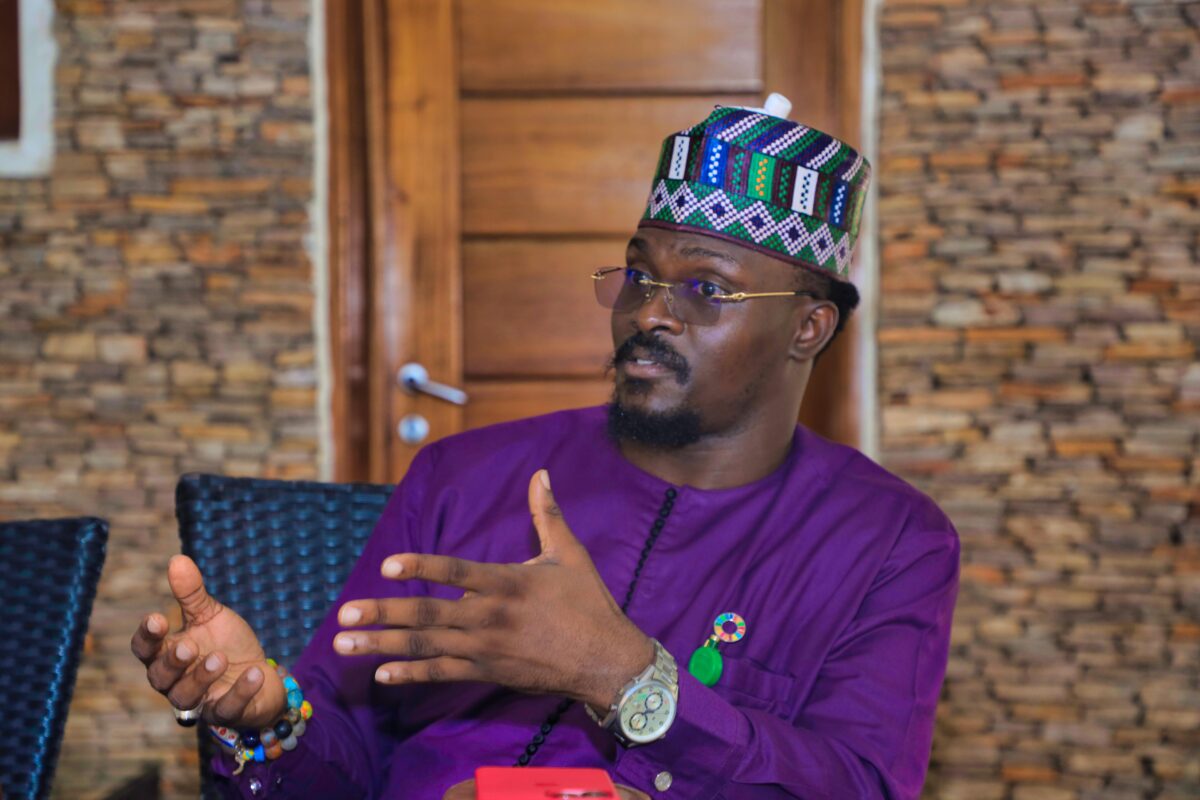
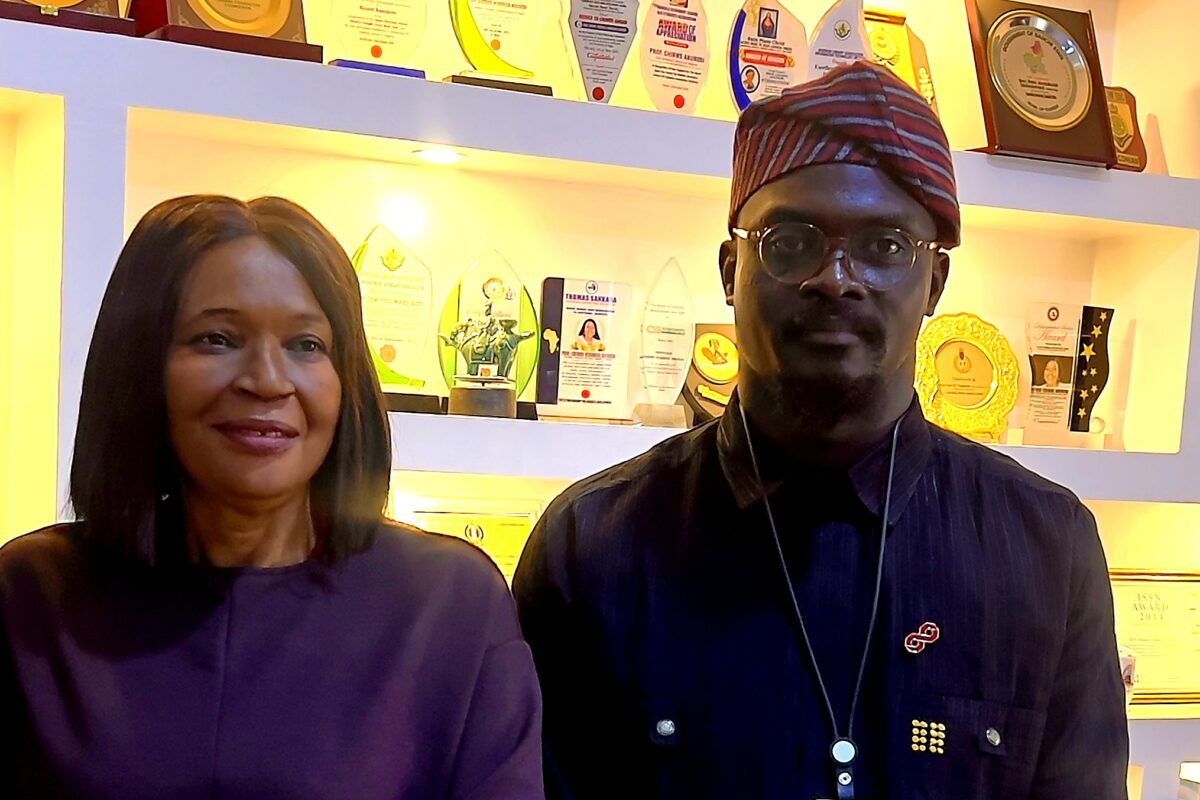
By Prince Abdulsalami Ladigbolu‑Oranmiyan, UNESCO REF President.

Democracy Day and a Sobering Reality

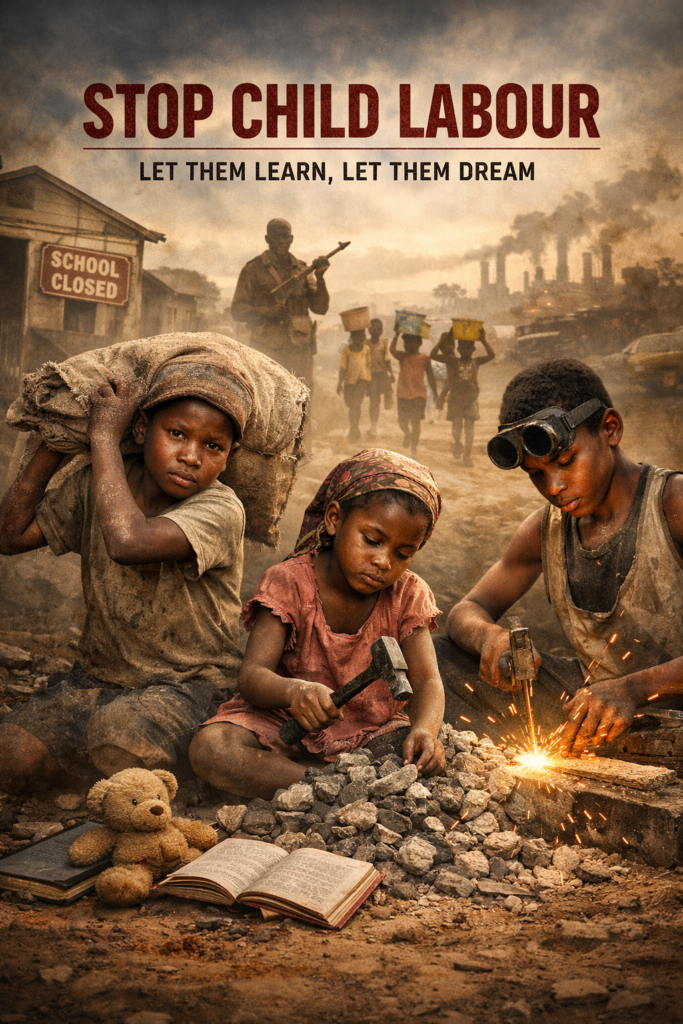
As Nigeria commemorates Democracy Day alongside the International Day Against Child Labour, the nation must confront a sobering truth: child labour is not merely an economic or social problem, it is a national security crisis. Children forced into labour, hawking on streets, mining in unsafe conditions, or performing hazardous tasks are denied education and hope. Extremist groups exploit this vulnerability, turning poverty into a recruitment pipeline. Every child lost to labour is a potential recruit diverted from classrooms into conflict, from innovation into insurgency.


Nigeria’s Greatest Resource at Risk

Nigeria’s greatest resource is not oil or minerals, it is its people. Yet child labour steadily erodes this foundation, reducing the nation’s intellectual capital and weakening its ability to compete in a knowledge‑driven world. Protecting children today is therefore not just a moral duty, it is a strategic imperative for Nigeria’s survival and growth.

Democracy is built on participation, inclusion, and opportunity. Child labour undermines these principles by silencing millions of voices before they can even be heard. A democracy that fails to protect its children is a democracy at risk.

Linking the Fight to Global Goals

This fight is inseparable from the United Nations Sustainable Development Goals (SDGs):

  • SDG 4 Quality Education: Ensuring every child has access to inclusive, equitable, and quality learning.
  • SDG 8 Decent Work and Economic Growth: Breaking cycles of poverty and exploitation through safe, dignified opportunities for families.
  • SDG 16 Peace, Justice, and Strong Institutions: Protecting children from recruitment into violence and building democratic resilience.
  • SDG 17 Partnerships for the Goals: Fostering collaboration between Nigeria, international partners, and civil society to dismantle child labour and terrorism pipelines.

A Call to Leadership and Partnership

At this critical juncture, UNESCO REF President Prince Abdulsalami Ladigbolu-Oranmiyan calls upon President Bola Ahmed Tinubu to inject an intersection of fresh ideas that synchronize the Ministry of Culture, the Ministry of Information, and the Ministry of Humanitarian Affairs. The solution to this menace is in the hands of these ministries. Nigeria must empower intellectuals, not busy driven professionals to design and implement strategies that combine cultural renewal, information management, and humanitarian outreach. This effort must also be enhanced by cooperation between the Global North and South, recognizing that child labour and terrorism are shared challenges requiring shared solutions. Nigeria’s call is not for charity, but for partnership; a partnership that secures democracy and safeguards humanity.

Nigeria cannot confront this challenge alone. UN agencies, donor bodies, and international partners must join hands with Nigeria in eradicating child labour and dismantling the recruitment pipelines of terror. Partnership must translate into investment in education, building schools, training teachers, and ensuring access to quality learning for every child. It must include social protection systems that provide safety nets for families vulnerable to child labour, counter-terrorism strategies that integrate child protection into national and regional security frameworks, and community resilience programs that empower local leaders and families to resist extremist recruitment.

The eradication of child labour is not a distant goal, it is an urgent necessity. Nigeria must strengthen its laws, enforce accountability, and prioritize education as a national security strategy. International partners must provide technical expertise, funding, and solidarity. Civil society must continue to raise awareness and hold leaders accountable. This is a fight that requires multi-sectoral collaboration: government, private sector, civil society, and international organizations working hand in hand. The stakes are too high for complacency.

On this Democracy Day, let us affirm that democracy is not measured solely by ballots, but by the futures we safeguard for our children. The fight against child labour is inseparable from the fight against terrorism. By protecting Nigeria’s children, we protect Nigeria’s democracy and by extension, the stability of Africa and the world. The time to act is now. The world must not look away. Nigeria’s children deserve more than survival, they deserve the chance to thrive, to innovate, and to lead. The measure of our collective humanity will be judged by how we respond to this crisis

UNESCO REF SIP X2 Partnership to Mobilizes 60,000 Youth for Ethical AI and Sustainable Development

A Continental and Global Agenda

The Strategic Intervention Program (SIP X2) has been unveiled as a landmark initiative to prepare young people for the opportunities and challenges of artificial intelligence and the digital economy. More than a training program, SIP X2 is a national, continental, and global platform that combines technical proficiency with ethical responsibility, empowering a new generation to drive innovation while safeguarding human rights, democratic values, and societal resilience.

Nigeria’s Gift to Africa, Africa’s Contribution to the World

At the national level, SIP X2 strengthens Nigeria’s digital economy and aligns with President Bola Ahmed Tinubu’s agenda for youth empowerment and innovation. At the continental level, it positions Africa as a leader in ethical AI adoption, ensuring that African youth are not left behind in the Fourth Industrial Revolution. Globally, SIP X2 contributes to the United Nations Sustainable Development Goals (SDGs), particularly:

  • SDG 4 (Quality Education) – advancing digital literacy and lifelong learning.
  • SDG 8 (Decent Work and Economic Growth) – preparing youth for future employment in the digital economy.
  • SDG 9 (Industry, Innovation, and Infrastructure) – fostering innovation ecosystems.
  • SDG 10 (Reduced Inequalities) – ensuring equitable access to digital opportunities.
  • SDG 16 (Peace, Justice, and Strong Institutions) – embedding ethics and accountability in AI governance.

Institutional Voice of Leadership

UNESCO REF President declared: “Technology must serve humanity. SIP X2 ensures that young people are not only prepared for the jobs of tomorrow but also for the ethical responsibilities that come with shaping our digital future. This is Nigeria’s gift to Africa and Africa’s contribution to the world.”

Building Ethical Competence for the Digital Age

Through structured training, mentorship, and access to global expertise, SIP X2 equips participants with modern digital literacy and AI‑related skills. The program emphasizes employability while ensuring that youth are prepared to address critical issues such as data privacy, algorithmic bias, and the broader societal impacts of emerging technologies.

A Multi‑Stakeholder Global Movement

SIP X2 represents a strategic step toward building an inclusive and equitable digital society. By curating expert knowledge across disciplines and fostering multi‑stakeholder collaboration, the program positions nations to harness AI responsibly while strengthening democratic governance, sustainable development, and global solidarity.

Empowering Youth as Architects of Digital Equity

Participants will gain access to resources, mentorship, and opportunities previously unavailable, positioning them at the forefront of innovation. SIP X2 ensures that their contributions advance national priorities, continental aspirations, and global digital equity, embedding ethics at the heart of technological progress.

About SIP X2

SIP X2 is a multi‑stakeholder initiative committed to advancing digital literacy, ethical AI adoption, and youth empowerment. By combining technical excellence with ethical awareness, SIP X2 prepares nations with a new generation of skilled practitioners ready to shape the future responsibly.

GET EDUCATED

Strategic Collaboration for Education and Skills Development: UNESCO REF and Global Learning Exchange, USA.

Introduction

2 million Nigerian are denied higher education access due to insufficient enrollment capacity, a gap UNESCO REF and the
Global Learning Exchange are committed to bridging.

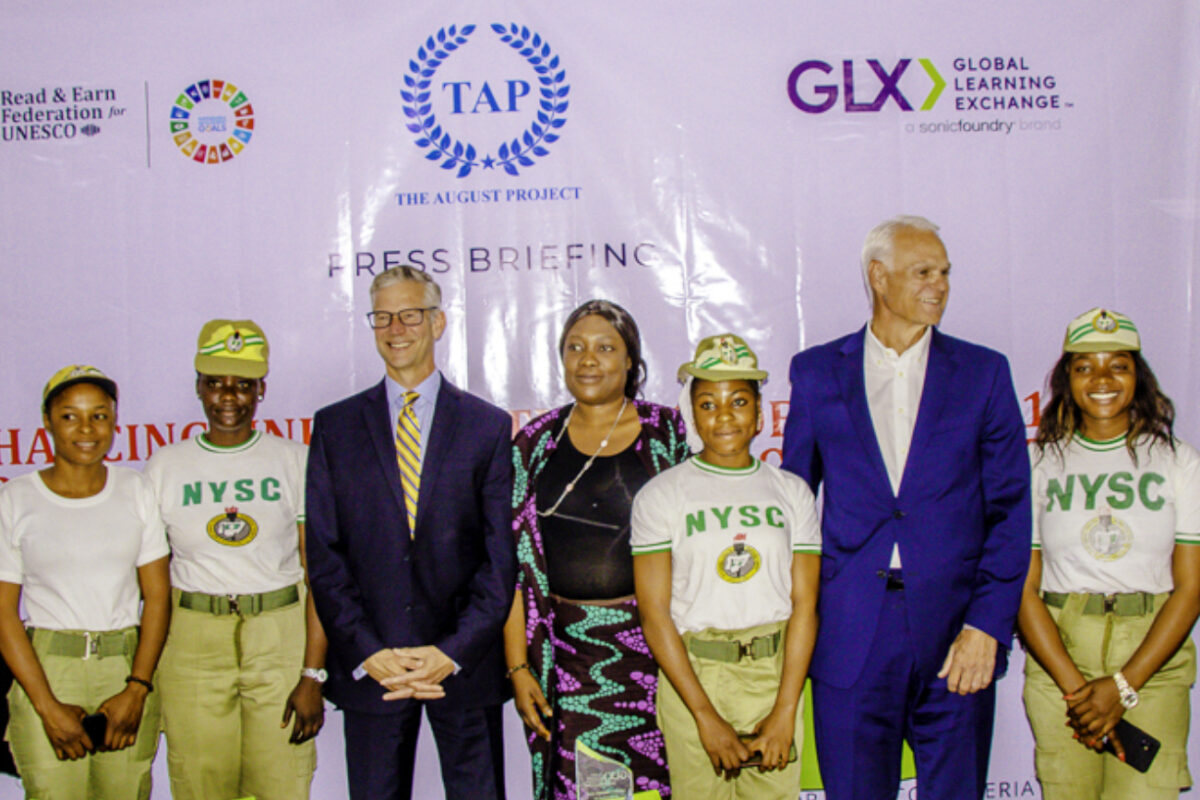
Education is universally recognized as the foundation of sustainable development, social mobility, and global competitiveness. In the 21st century, nations that invest in human capital through accessible, high‑quality education and skills development are best positioned to thrive in an interconnected world. Against this backdrop, the UNESCO REF partnered with the Global Learning Exchange™ (GLX) under the NEPAD_EY framework, implemented through the TAP Category 2.9 platform. This collaboration represents a bold institutional step toward democratizing education, bridging Nigeria’s intellectual capital with global opportunity, and advancing the United Nations Sustainable Development Goals (SDGs).

Global and Continental Context

The partnership is not an isolated initiative but part of a broader agenda. It aligns with:

  • UNESCO’s global mandate to promote inclusive and equitable quality education.
  • African Union Agenda 2063, which emphasizes skills development, youth empowerment, and innovation as drivers of continental transformation.
  • NEPAD_EY’s strategic frameworks, which prioritize education and employment as pillars of Africa’s sustainable growth.

By situating Nigeria within these global and continental frameworks, the collaboration underscores the country’s role as a hub for educational innovation and human capital development in Africa.

Vision and Institutional Framework

Operating under the UNESCO REF Strategic Implementation Platform (SIP‑ALPHA), the partnership reflects a deliberate alignment of two organizations committed to democratizing education. The vision is clear: every qualified Nigerian youth, regardless of geography or economic circumstance, should have access to world‑class education and professional opportunities.

The initiative delivers internationally accredited academic programmes, professional certifications, and digital skills development. These opportunities are structured to advance SDG 4 (Quality Education), SDG 8 (Decent Work and Economic Growth), and SDG 17 (Partnerships for the Goals), ensuring that the collaboration contributes meaningfully to both national and global development agendas.

Infrastructure and Access

A cornerstone of the initiative is the establishment of GLX Hub facilities across Nigeria’s six geopolitical zones. These hubs will provide:

  • Modern learning environments equipped with laptops, high‑speed internet, and e‑libraries.
  • Academic guidance, counselling, and mental health services.
  • A supportive study environment that enables participants to matriculate and graduate with leading GLX university partners in the United States, United Kingdom, Canada, and Australia.

This infrastructure ensures that Nigerian youth are not only educated but also globally connected.

Employment and Human Capital Development

Beyond education, the initiative addresses employment. Each GLX Hub will generate jobs for qualified local professionals, who will manage operations and provide academic and administrative support. This model strengthens institutional capacity, creates local ownership, and ensures sustainability.

Career Support and Mental Wellbeing

Recognizing that education must be holistic, the hubs will deliver wraparound services including career planning, counselling, and mental health support. By prioritizing student retention, employability, and long‑term success, the initiative ensures that participants are prepared not only academically but also personally and professionally.

Knowledge and Technology Transfer

The collaboration emphasizes knowledge and technology transfer through structured training and certification programs. This ensures that expertise is localized, institutional capacity is built, and Nigeria becomes a hub for educational innovation.

The GET EDUCATED Pathway

Branded as GET EDUCATED, the pathway symbolizes the institutional commitment to bridging Nigeria’s intellectual capital with global opportunity. It targets youth between 18 and 35; including NYSC corps members, graduates, and young professionals — and provides access to internationally validated programmes. By doing so, it creates a pipeline of globally competitive graduates who can contribute to national development and international collaboration.

Conclusion

The UNESCO REF × GLX partnership is more than an educational program; it is a strategic investment in Nigeria’s future and Africa’s transformation. By combining infrastructure, employment, career support, and knowledge transfer, the collaboration creates a holistic ecosystem for learning and growth. Anchored in global best practices and aligned with the SDGs, it represents a transformative pathway for Nigerian youth to thrive in an interconnected world.


STRATEGIC IINTERVENTION PROGRAMME (SIP) X1 ON DIGITAL REVOLUTION

Digital Technology Capacity Building for Youth Empowerment

The rapid permeation of information and digital technologies into all aspects of human endeavor, coupled with Nigeria’s position as Africa’s largest and most dynamic economy, underscores the urgency of strengthening user protection and promoting best practices. The pace of digitization, expansion of mobile access, and proactive policy initiatives of the Central Bank further highlight the imperative to build capacity for responsible engagement in the digital space.

In alignment with the scope of the program, UNESCO–REF, through Category 2.9 of the TAP Project, is collaborating with global stakeholders to deliver joint training initiatives for youth in the digital sector. Annually, more than 120,000 young Nigerians will benefit from the SIP‑X1 program, which is designed to equip participants with the knowledge and skills required to harness opportunities and mitigate risks in the digital environment.

The course seeks to strengthen youth capacity to responsibly adopt and adapt to the digital revolution. Early investment in training is essential to ensure that stakeholders and beneficiaries are prepared to navigate rapidly evolving technologies.

The Digital Technology Capacity Building (DTCB) program, a core component of the TAP Project, serves as a critical resource in this process, providing structured training and guidance to empower beneficiaries with the competencies necessary for sustainable participation in the global digital economy.

USA, SONIC FOUNDRY PARTNER UNESCO REF TOWARDS EASY ATTAINMENT OF SDGS GOAL 4 AND 8 IN NIGERIA

SDGs Global Mission Scheme SGMS, Nigeria Pilot
Overview
SDGs Global Mission Scheme (SGMS) is a three‑year, USD 100 million pilot in Nigeria, led by Sonic Foundry Inc. in partnership with GLX university partners in Australia, the United Kingdom, and the United States. SGMS mobilizes technology, scholarship capital, and public‑private partnerships to expand equitable access to higher education, strengthen youth employability, and build resilient educational infrastructure aligned with the United Nations Sustainable Development Goals. The program is designed to be replicable across emerging economies and to attract multilateral and private sector collaboration.

Objectives and Expected Impact
Primary Objectives
– Expand academic access: Fund Bachelor’s, Master’s, and recognized professional certifications for eligible Nigerian youth through accredited GLX university partners.
– Deploy GLX Hubs: Establish Sonic Foundry GLX Hub facilities offering study spaces, digital access, academic advising, mental health services, and career planning.
– Prioritize girl child education: Direct a larger share of resources to out‑of‑school girls and recent high school graduates to reduce barriers such as early marriage and exploitation.
– Boost employability: Emphasize retention, skills alignment with labor market needs, internships, and international job placement opportunities for top graduates.

Expected Impact
– Contribute to SDG 4, SDG 8, SDG 9, and SDG 17,
– Create measurable human capital gains through increased tertiary enrollment, higher graduation rates, and improved job placement outcomes.
– Deliver a scalable model for public‑private collaboration that can be adapted to other countries.

Program Design and Funding Allocation
Mission Funding: USD 100,000,000 over three years for the Nigeria pilot.
Delivery Model: Scholarships awarded on merit and need; GLX Hubs operated via public‑private partnerships with national ministries, UNESCO REF, the Nigerian Police Force Education Unit, local universities, and employer networks. Performance‑based disbursements and phased rollouts will manage risk and ensure accountability.

Funding Allocation and Program Design

The USD 100 million investment for the Nigeria pilot will be strategically deployed across six priority areas to maximize impact and sustainability:

• Scholarships and Tuition (USD 40 million): Direct financial support for Bachelor’s, Master’s, and professional certification programs through GLX university partners in Australia, the UK, and the USA.
• GLX Hub Capital and Technology (USD 25 million): Establishment of modern learning hubs equipped with advanced audio-visual systems, connectivity, and digital infrastructure to support hybrid learning.
• Operations and Staffing (USD 15 million): Recruitment and training of academic advisors, counsellors, and administrative staff to ensure high‑quality student support services.
• Employability and Placement (USD 10 million): Career services, internship programs, and employer partnerships designed to align graduates with labour market needs and international opportunities.
• Monitoring, Evaluation, and Research (USD 5 million): Independent impact measurement, quarterly reporting, and transparent assessments to ensure accountability and continuous improvement.
• Contingency and Partnerships (USD 5 million): Reserved funds to manage unforeseen risks, strengthen local partnerships, and ensure program resilience.

Governance Safeguards and Partnerships
Governance Structure
– International Steering Committee: Sonic Foundry, GLX university representatives, UNESCO REF, Nigerian government officials, civil society, and independent auditors.
– National Program Office: Responsible for hub rollout, scholarship administration, partner management, and day‑to‑day operations.

Safeguards
– Child protection and gender‑sensitive policies.
– Grievance redress mechanisms and data protection standards.
– Independent midline and endline evaluations and public annual reporting.

Partnerships
– Academic partners: GLX university network in Australia, the UK, and the USA.
– Implementation partners: UNESCO REF, local universities, and private sector employers.

Impact Framework and Key Performance Indicators
Primary KPIs
– Enrollment: Number of scholarship recipients.
– Graduation Rate: Completion rate for degree programs.
– Employment: Placement in formal employment or internships within 12 months of graduation.
– Gender Focus: Share of resources and enrollments for girls and young women.
– Hub Utilization: Attendance and service uptake metrics.

Three Year Targets
– Enrollments: 10,000.
– Graduation Rate: ≥70% for degree programs.
– Employment: ≥60% placed in formal employment or internships within 12 months.
– Gender Allocation: ≥55% of scholarship resources directed to girls and young women.

Measurement Approach
Quarterly dashboards, independent evaluations, alignment with SDG indicators, and transparent public reporting.

Call to Action and Contact
Join the Partnership, SGMS invites UN agencies, bilateral donors, philanthropic foundations, academic institutions, and private sector employers to co‑finance, co‑design, and scale this model. Stakeholders are invited to contribute funding, technical expertise, internship and employment pathways, and local implementation capacity.