UNESCO‑REF President’s Working Visit to Nigeria Police Force: Advancing National Cohesion Through Youth Engagement

Strategic Engagement at a Critical Moment

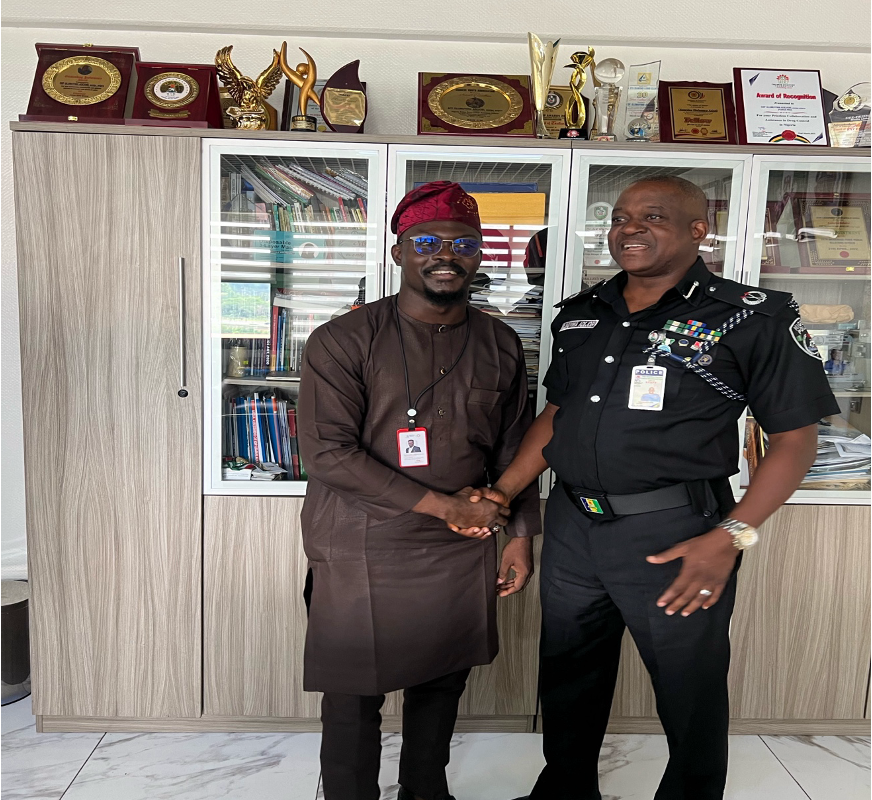
The President of the UNESCO REF, Prince Abdulsalami Ladigbolu‑Oramiyan, paid a high‑level working visit to Deputy Commissioner of Police Muyiwa Adejobi, Force Public Relations Officer of the Nigeria Police Force (NPF), during the period of the End Bad Governance Protests. The visit finalized preparations for the first‑ever UNESCO‑REF Nigeria Police Youth Summit, convened on 12 August 2024 in Abuja to mark UN International Youth Day.

This milestone initiative was designed to strengthen cordial relations between the Nigeria Police Force and Nigerian youth, directly addressing the urgent need for trust‑building, civic education, and inclusive participation in national security and governance.

National Significance

The Summit represents a strategic intervention in Nigeria’s democratic journey, aligning with UNESCO‑REF’s institutional mandate to advance the United Nations Sustainable Development Goals (SDGs), particularly Goal 16 (Peace, Justice, and Strong Institutions) and Goal 17 (Partnerships for the Goals).

Prince Ladigbolu‑Oramiyan emphasized:
“The Nigeria Police Youth Summit is not merely an event, but a national platform for reconciliation and partnership — a covenant between the Police and our youth to build trust, respect, and shared responsibility.”

Summit Proceedings

  • Delegates: Over 400 participants from all 36 states and the FCT, including youth leaders, police representatives, civil society actors, and government officials.
  • Opening Ceremony: NYSC corps members performed traditional dances (Ekombi, Bàtá, Swange, Royal Court), celebrating unity in diversity.
  • Keynote Addresses:
  • IGP Kayode Egbetokun framed youth as essential partners in security.
  • Prince Ladigbolu‑Oramiyan articulated youth as change agents bridging technology and community ties.
  • Senator Ibrahim Gaidam, Minister of Police Affairs, tied the Summit to President Tinubu’s Renewed Hope Agenda.
  • Professor Olanrewaju Fagbohun addressed the trust gap and accountability frameworks.
  • Youth Q&A: Delegates pressed the IGP on protest management, corruption within the Force, raids on civil society, and protection for farmers. His candid responses underscored the value of open dialogue.
  • Thematic Sessions: Breakouts on crime prevention, conflict resolution, social media engagement, and community policing produced actionable proposals.

Strategic Recommendations

  1. Youth Advisory Councils at federal, state, and local levels with genuine influence in security policy.
  2. Technology‑enabled intelligence networks for youth to contribute securely to community safety.
  3. Transparency reforms to rebuild trust, including independent oversight and public reporting.
  4. Economic empowerment as a security strategy, integrating skills training and entrepreneurship.
  5. Continuous dialogue, institutionalizing regular youth–police summits nationwide.

Institutional Collaboration

DCP Adejobi welcomed the initiative, affirming the Nigeria Police Force’s readiness to partner with UNESCO‑REF in advancing youth‑focused programmes that reduce friction and build mutual respect. He noted that the Summit provides a structured avenue for dialogue, ensuring that youth voices are constructively integrated into national security discourse.

Prince Ladigbolu‑Oramiyan underscored that the Summit is part of UNESCO‑REF’s broader strategy to enhance Nigeria’s attainment of the SDGs. By creating a platform for constructive engagement, the initiative will not only strengthen police‑youth relations but also contribute to national stability, social cohesion, and inclusive development.

Conclusion

The UNESCO‑REF Nigeria Police Youth Summit marked a turning point in police–youth relations, convened deliberately in the wake of the August 2024 protests. It demonstrated that Nigeria’s security imperatives and youth capabilities align naturally, and that no security strategy can succeed without youth cooperation.

With the groundwork laid, the challenge now is institutional will: to turn frameworks into operations and ensure that this partnership becomes a foundation for transformation.
📖 Read comprehensive summit report

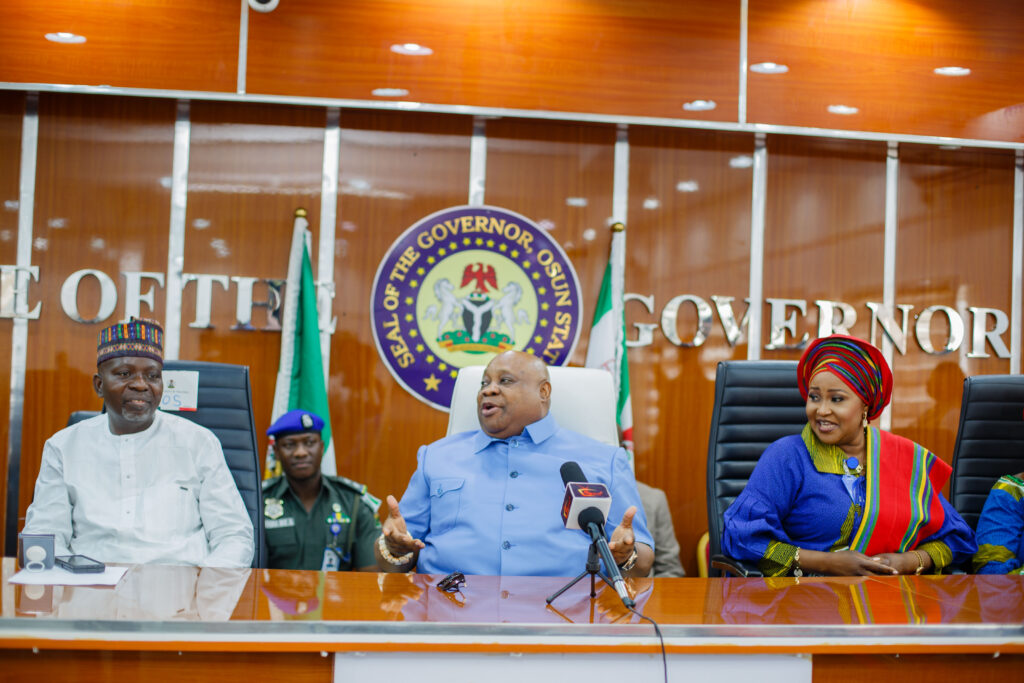
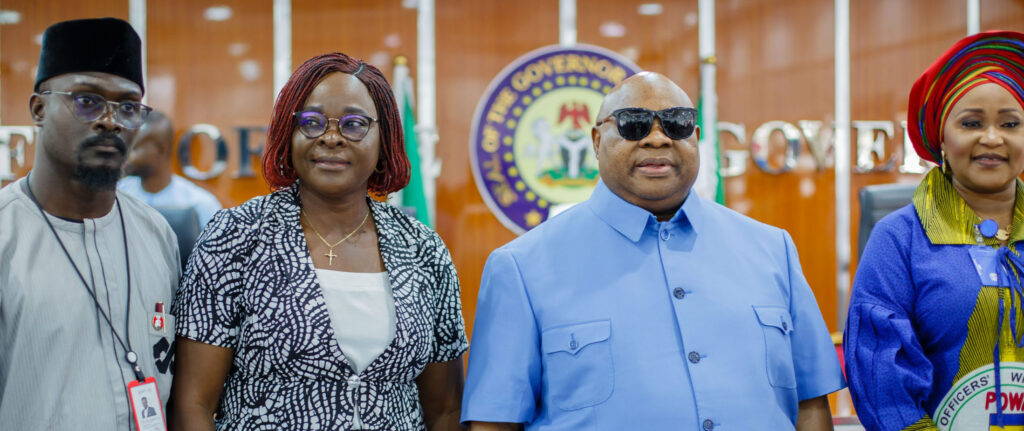
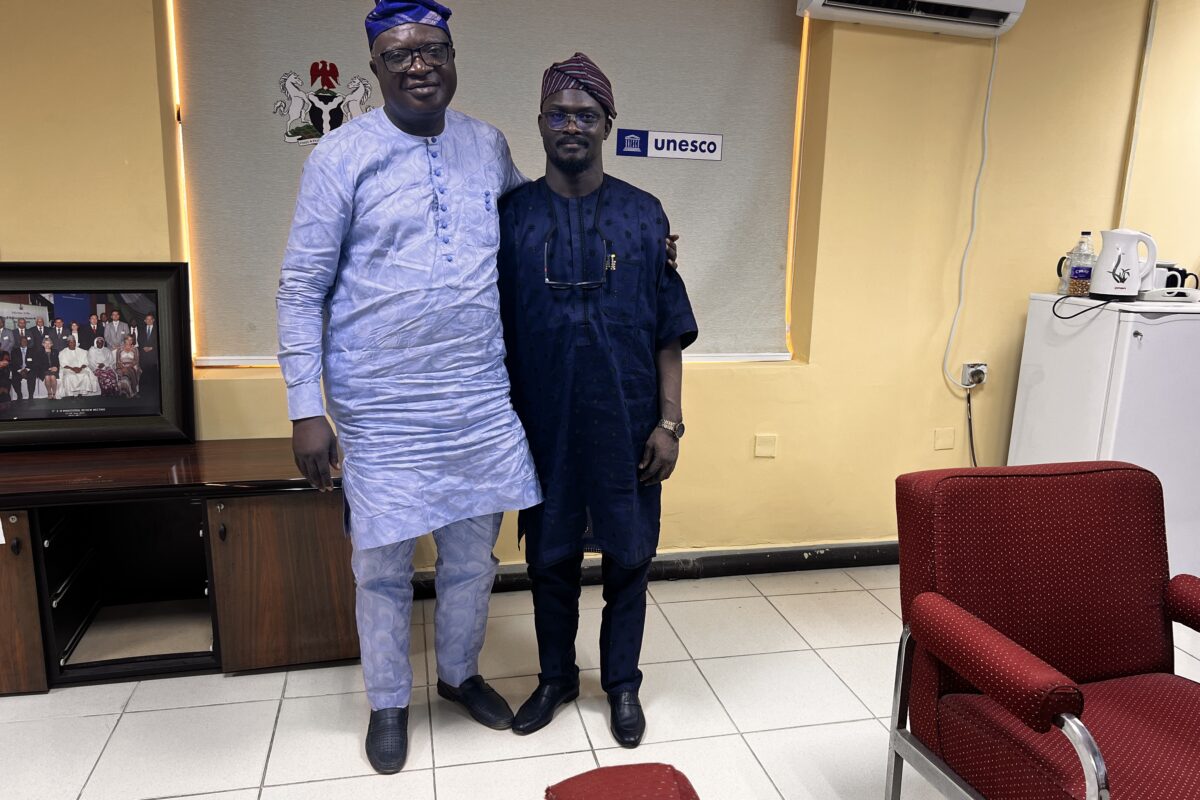
UNESCO REF President: Working Visit to Dr. Lateef Olaguju, Secretary-General of the Nigerian National Commission for UNESCO, on the Enhanced Institutional Mandate for SDGs Attainment in Nigeria.

Strengthening Nigeria’s Leadership in UNESCO’s Global Mission

The President of the UNESCO‑REF, Prince Abdulsalami Ladigbolu‑Oramiyan, undertook a formal working visit to Dr. Lateef Olagunju, Secretary‑General of the Nigerian National Commission for UNESCO (NATCOM‑UNESCO), to advance dialogue on the Enhanced Institutional Mandate for Sustainable Development Goals (SDGs) attainment in Nigeria.

Aligning National Priorities with the 2030 Agenda

This high‑level engagement reaffirmed the shared commitment of both institutions to strengthen Nigeria’s role in UNESCO’s global mission, while aligning national priorities with the 2030 Agenda for Sustainable Development. Discussions focused on consolidating institutional frameworks, expanding youth empowerment initiatives, promoting gender equality, advancing digital transformation, and fostering inclusive education as strategic pathways toward achieving the SDGs.

UNESCO‑REF’s Global Relevance and Institutional Mandate

Prince Ladigbolu‑Oramiyan emphasized UNESCO REF’s readiness to collaborate closely with NATCOM‑UNESCO in mobilizing expertise, resources, and innovative programmes that directly benefit Nigerian communities. He underscored that the partnership represents a model of multi‑stakeholder cooperation, designed to accelerate measurable progress in sustainable development while reinforcing Nigeria’s leadership within UNESCO’s global network. He stated: “Our mandate is not only national but continental. By aligning Nigeria’s priorities with UNESCO’s vision, we are ensuring that Africa’s youth, women, and communities stand at the center of global development discourse.”

NATCOM‑UNESCO’s Strategic Vision

Dr. Olagunju welcomed the initiative, highlighting the importance of building synergies to ensure effective implementation of UNESCO‑mandated programmes. He noted that the enhanced institutional mandate would not only strengthen Nigeria’s capacity to deliver on the SDGs but also contribute to UNESCO’s broader vision of peace, human dignity, and sustainable development.

Commitment to Joint Action Frameworks

The visit concluded with a mutual commitment to establish joint action frameworks for programme implementation, expand stakeholder participation across government, civil society, and youth constituencies, and ensure that Nigeria’s engagement with UNESCO continues to serve as a benchmark for impactful, inclusive, and globally relevant development initiatives.

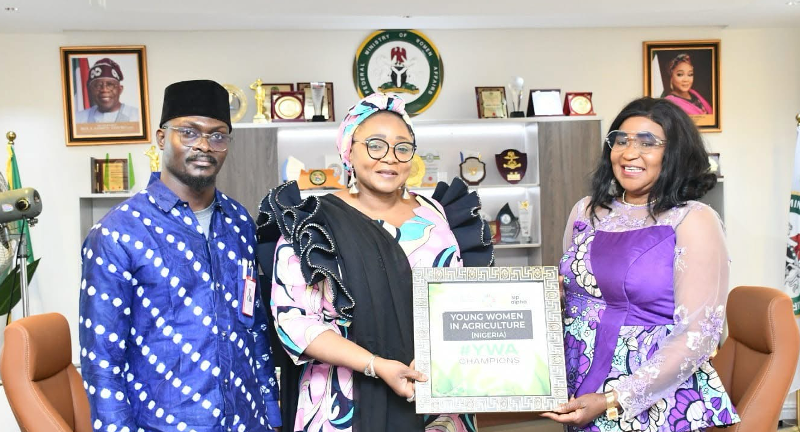
Prof. Hafsat Ganduje: “Women Are the Backbone of Our Nation’s Food System”, A Clarion Call for the 12 Million Young Women in Agriculture

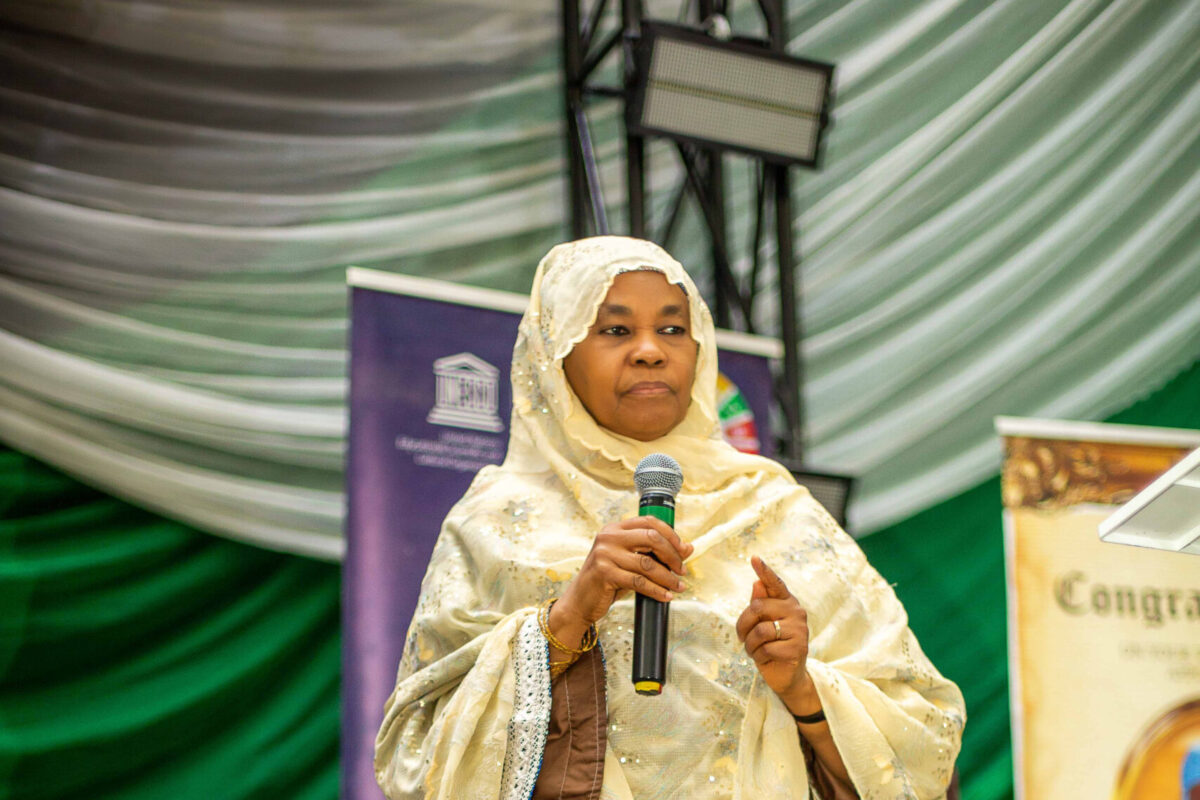
Speaking as a long-standing advocate for women’s empowerment at the UNESCO REF & POWA national flag-off of the 12 Million Young Women in Agriculture Mobilisation Campaign, Prof. Hafsat Gandujeunderscored the grassroots importance of the campaign, framing it not merely as an agricultural programme but as a covenant of dignity, opportunity, and security for families across the Federation. Read Full Story at the Media Centre. 


UNICAF Partners UNESCO REF on Educational Financial Facility Scheme, Blanket Scholarship of 86% for Undergraduate, Masters & PhD Under SIP-ALPHA Category 2.15B2

The Read and Earn Federation for UNESCO (UNESCO REF) and UNICAF have formalized a landmark strategic partnership delivering an exclusive 86 percent scholarship coverage, unavailable through any other channel, for Nigerian students pursuing undergraduate, master’s, and doctoral qualifications through the UNESCO REF Educational Financial Facility Scheme (EFFS). Students qualifying through this exclusive arrangement pay only 14 percent of tuition costs. The remainder is fully funded. Read Full Story at the Media Centre. 

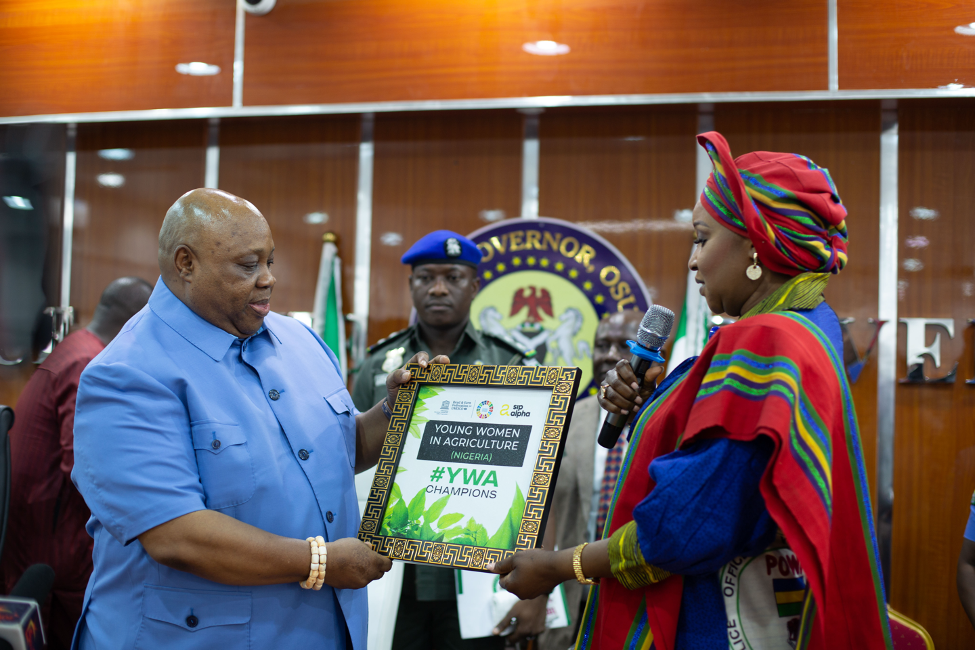
National Advocate Dr. (Mrs.) Elizabeth Egbetokun Strengthens Strategic Partnership with Bauchi State Government and Governor Senator Bala Abdulkadir Mohammed on Young Women in Agriculture

The National Advocate for the UNESCO REF Young Women in Agriculture, Dr. (Mrs.) Elizabeth Egbetokun, conducted a working visit to His Excellency Senator Bala Abdulkadir Mohammed, Governor of Bauchi State, to formalise and accelerate collaboration for the strategic mobilisation, capacity building and economic empowerment of young women in agriculture across the state. The engagement advances shared commitments to gender equality, sustainable agriculture and inclusive rural development, in line with national priorities and global development frameworks. Read Full Story at the Media Centre.