A Landmark National Designation
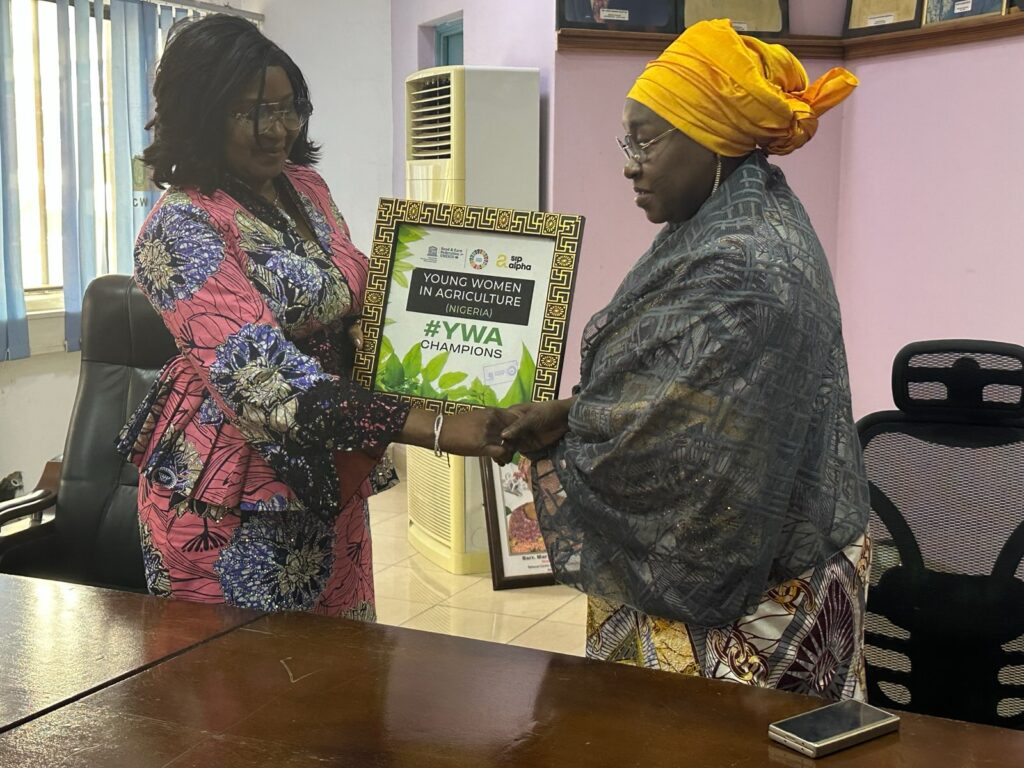
The Maryam Babangida National Centre for Women Development (NCWD) has been officially designated as the National Secretariat for the UNESCO REF Young Women in Agriculture (YWA) Programme. This landmark designation underscores NCWD’s pivotal role in advancing UNESCO REF’s mission to empower young women through agricultural innovation, skills development, and sustainable livelihood opportunities. It also reflects Nigeria’s leadership in promoting women’s development and positions NCWD as a central hub for driving impactful initiatives nationwide.
Advocacy and Institutional Leadership
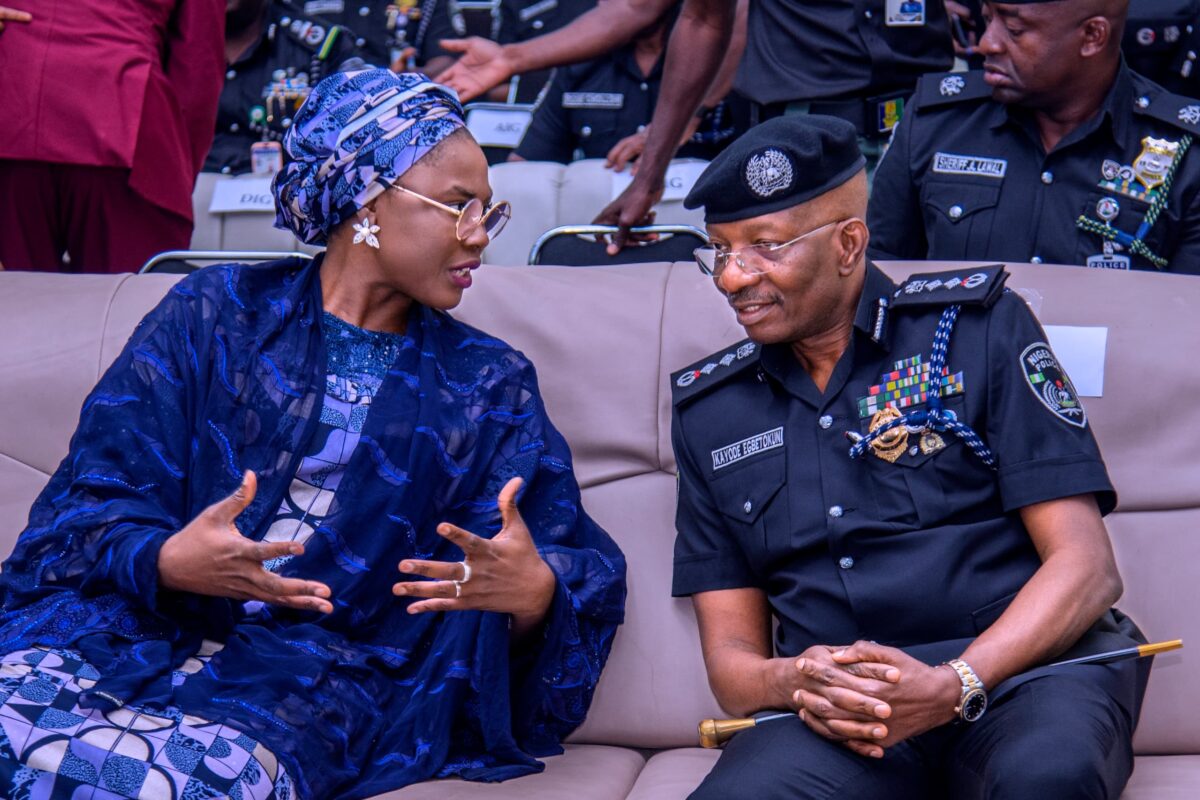
This milestone was facilitated through the tireless advocacy of Dr. Mrs. Egbetokun, UNESCO REF YWA National Advocate and President of the Police Officers’ Wives Association (POWA). Her engagement with stakeholders ensured that the request was properly advanced and aligned with Nigeria’s broader vision for women’s empowerment and agricultural transformation.
NCWD’s Commitment to National Mandate
The designation was formally approved by Hon. Vilita Asabe, Director‑General of NCWD, who emphasized the Centre’s readiness to assume this national mandate. In her words: “This recognition by UNESCO REF is both an honor and a responsibility. As the National Secretariat, NCWD will serve as the hub for innovation, collaboration, and empowerment. We are committed to ensuring that young women across Nigeria have access to the skills, mentorship, and opportunities they need to thrive in agriculture and beyond. This is a defining moment for women’s development in our country.”
Programme Implementation and Impact
As the National Secretariat, NCWD will coordinate programme implementation, foster stakeholder collaboration, and ensure alignment with national and international frameworks for women’s empowerment and sustainable development. The YWA Programme seeks to strengthen the participation of young women in agriculture by providing access to training, mentorship, and modern technologies, while promoting inclusive growth and food security. By empowering young women to become leaders in agriculture, the programme contributes directly to poverty reduction, economic diversification, and community resilience.
Shared Commitment to Global Goals
Through this partnership, NCWD and UNESCO REF reaffirm their shared commitment to advancing gender equality, enhancing economic opportunities, and contributing to the achievement of the United Nations Sustainable Development Goals (SDGs). The designation of NCWD as the National Secretariat is more than an announcement – it is a national commitment to inclusive growth, global solidarity, and a future where women stand at the forefront of Nigeria’s socio‑economic transformation.