UNESCO REF · SIP-ALPHA · Category 13 · Conceived 2021
The VOICE InitiativeProfessional Advancement Programme for Women with Disabilities in Nigeria and Africa
A fully commissioned programme designed exclusively for women with disabilities across Nigeria and Africa. A four-year commitment to SDG 10, launched on 1 October 2026 to commemorate Nigeria's Independence.
Un programme d’IA entièrement financé pour les femmes handicapées au Nigeria et en Afrique.
Launched 1 October 2026Commemorating Nigeria's IndependenceUNESCO REF SIP-ALPHA Category 13The VOICE Initiative120,000 Women with DisabilitiesNigeria National Target54 African NationsContinental Vision via NEPAD_EYConceived 2021Launched 2026Launched 1 October 2026Commemorating Nigeria's IndependenceUNESCO REF SIP-ALPHA Category 13The VOICE Initiative120,000 Women with DisabilitiesNigeria National Target54 African NationsContinental Vision via NEPAD_EYConceived 2021Launched 2026
The VOICE Initiative · UNESCO REF · SIP-ALPHA Category 13
What The VOICE Initiative Is
About The VOICE Initiative
À propos de l'Initiative VOICE
Opening Statement
For a generation, Africa has educated its women with disabilities and then declined to employ them. It has asked them to master the curriculum, sit the examinations, earn the degree, and then wait at the edge of an economy that was never designed to receive them. The Read and Earn Federation for UNESCO (UNESCO REF) does not accept that this waiting is a natural condition. It is a policy outcome, and policy outcomes can be reversed.
The VOICE Initiative is our answer. It joins three convictions that the international community has too often held apart: that disability inclusion is a matter of rights and not of charity; that gender equality is the most reliable instrument yet discovered for reducing inequality within households and across nations; and that when a mother is excluded from work, the cost is carried first by her children, in their schooling, their safety and their future. We hold that one well-designed intervention can honour all three convictions at once. This page sets out the evidence for that position, and the papers published with it set out the argument in full.
Déclaration liminaire : l’exclusion des femmes handicapées de l’économie n’est pas une fatalité, c’est un choix politique, et tout choix politique peut être corrigé.
The VOICE Initiative is not a workshop. It is not a seminar. It is not a digital awareness campaign. These distinctions are not incidental. They are the first and most important thing to understand about what UNESCO REF has built. The VOICE Initiative is a structured, graduate-level programme of professional development, conceived in 2021 and formally launched in October 2026 to commemorate Nigeria's Independence Anniversary. It is a four-year institutional commitment, not a one-time intervention.
VOICE stands for Visionary, Outcomes-Driven AI for Inclusion, Capacity for Empowerment. Every word in that designation was chosen deliberately. Visionary, because the programme anticipates an Africa in which women with disabilities are recognised as among the most productive, capable, and economically significant professionals on the continent. Outcomes-Driven, because the programme is structured not around the accumulation of knowledge for its own sake, but around a singular, measurable objective: the attainment of dignified, independent, and financially sustainable employment in the global digital economy. Inclusion, because the programme begins with an unambiguous institutional acknowledgement that this population has been excluded from the knowledge economy not by incapacity, but by the cumulative failure of structural systems to account for their presence, their qualifications, and their potential. Capacity, because it is the considered institutional position of UNESCO REF that the most enduring, the most dignified, and the most transformative form of support that can be extended to any person is not financial transfer, but the professional competence that renders financial transfer unnecessary. Empowerment, because the intended terminal outcome of this programme is not a credential held in a hand. It is a career held in a life. It is financial independence secured through professional excellence. It is the irreversible transformation of a woman's economic standing within her family, her community, and her nation.
"The VOICE Initiative does not produce graduates. It produces the beginning of a career that has no ceiling."
The programme was conceived in 2021 within the UNESCO REF strategic planning process as a direct response to a recognised gap in African development architecture: the near-total absence of any structured, high-standard, professionally endorsed programme of capacity-building and digital enterprise development designed for women with disabilities. What existed at the time of conception, and what largely continues to exist, were awareness campaigns, sensitisation workshops, and digital literacy introductions. These are valuable in their place. They are not a substitute for professional-grade education that connects graduates to employment.
The VOICE Initiative is classified under UNESCO REF SIP-ALPHA Category 13 and commissioned under the Educational Financial Facility Scheme (EFFS), which means every participant is fully sponsored. There is no cost to any graduate. The programme is delivered through The Lichfield Academy, the online learning platform of The Lichfield Partners and Associates, Strategic Advisory and Global Diplomatic Implementation Partner of SIP-ALPHA, in partnership with UNESCO REF, its global network of partners and associates, and sector specialists across the globe.
What distinguishes The VOICE Initiative in conception is its unit of analysis. Most programmes for persons with disabilities measure success one beneficiary at a time. The VOICE Initiative measures it one household at a time, and across two generations. A woman who enters dignified, remunerated work does not change only her own circumstances. She changes the probability that her children remain in school, the degree to which her household is exposed to exploitation and harm, and the extent to which her community regards disability as a limitation rather than as one more form of human diversity. This intergenerational logic is the reason the programme is aligned at once with SDG 10 (reduced inequalities), SDG 5 (gender equality), SDG 4 (quality education) and SDG 16 (peace, justice and strong institutions), among other goals.
UNESCO REF has accordingly published, with this page, three institutional papers that examine the programme through three distinct lenses: its contribution to the education of the next generation, its contribution to public finance, and its contribution to human security and the protection of children. Each paper may be read in full from the Scholarship section of this page.
The VOICE Beneficiary
Agatha Chinwe Ugwu, PhDPhD Special Education · M.Ed Special Education · M.Ed Public Health Education · B.Sc Psychology · Post Graduate Diploma in Education (PGDE) · HND Environmental Health
2021
Year Conceived
Strategic planning within UNESCO REF SIP-ALPHA framework
6 wks
Course Duration
AI Innovation & Digital Enterprise (TIER I) · 78 lessons
4 yrs
Programme Timeline
2026 to 2030 · phased national then continental
No Cost to Fellows
EFFS Commissioned
Educational Financial Facility Scheme · UNESCO REF
Official Partner · First Pilot State · Launched 1 October 2026
Osun State: The First Sub-National Government to Implement The VOICE Initiative
L’État d’Osun : premier gouvernement infranational à mettre en œuvre l’Initiative VOICE
Osun State Government · Official Partner
The Osun State Government is an official partner of The VOICE Initiative and the first sub-national government in Nigeria to implement it. In doing so, the State has placed itself at the front of a national and continental effort to bring women with disabilities into the digital economy on equal terms.
Under this partnership, the Osun State Government has mobilised the programme’s pilot cohort of 120 women with disabilities for The VOICE Initiative, launched on 1 October 2026 to commemorate Nigeria’s Independence Anniversary. The pilot is the proof on which everything that follows will rest: the evidence that a State government, working with the Read and Earn Federation for UNESCO (UNESCO REF), can identify, mobilise and support women whom the labour market has overlooked, and place them on a path to dignified, remunerated work.
UNESCO REF records its appreciation of the Osun State Government for the leadership it has shown. A sub-national government that acts first carries a particular responsibility, because its experience becomes the model for others. The Osun State pilot will define the standard against which the national rollout to 120,000 women, and the subsequent extension to African nations, will be measured.
120Women with disabilities mobilised by the Osun State Government
FirstSub-national government in Nigeria to implement the programme
1 Oct 2026Programme launched, commemorating Nigeria’s Independence
Photo: UNESCO REF
Leadership of the National and Continental Upscale
Dr Safiyyah Hassan Shaibu
Strategic Ambassador for UNESCO REF SIP-ALPHA · 25th National President, Nigerian Army Officers’ Wives Association (NAOWA)
From the Osun State pilot, The VOICE Initiative will be upscaled across Nigeria’s six geopolitical zones and extended to African nations. That upscale will be led by Dr Safiyyah Hassan Shaibu in her capacity as Strategic Ambassador for UNESCO REF SIP-ALPHA. A chartered accountant and chartered forensic accountant who leads one of Nigeria’s most extensive national women’s networks, she brings to the programme both a reach across every geopolitical zone and a long-standing commitment to the empowerment of women and families.
2026Osun State pilot: 120 women
2027National upscale: 120,000 women
2028ECOWAS extension
203054 African nations
Programme Eligibility · Pilot Criteria · Accessibility Roadmap
Programme Eligibility
She Is Already Qualified. This Programme Recognises It.
Elle est déjà qualifiée. Ce programme le reconnaît.
The VOICE Initiative does not recruit from a pool of aspiring professionals. It recruits from a pool of qualified ones. Every woman enrolled in this programme holds a university degree. Every woman enrolled has already demonstrated, through years of formal education pursued under conditions that demanded extraordinary determination, that she has what it takes to succeed in a competitive professional environment. What she has lacked is not ability. It is infrastructure. The VOICE Initiative is that infrastructure.
The degree requirement is not a gate intended to exclude. It is a statement about where the programme can create the greatest marginal value at launch. Women with disabilities who hold a first degree have already absorbed the private and public cost of higher education, and have overcome barriers of access, transport, attitude and assessment that most graduates never encounter. Their exclusion from work therefore represents the largest unrealised return on an investment that their families and their nations have already made. The Convention on the Rights of Persons with Disabilities requires States to ensure that reasonable accommodation is provided so that persons with disabilities may exercise their right to work on an equal basis with others (Article 27). The VOICE Initiative gives that obligation an operational form: a fully online, asynchronous programme that places the accommodation in the design of the programme itself, rather than requiring each woman to request it.
Osun State Pilot Cohort · October 2026 · Entry Criteria
I
A First Degree, from Any Recognised Institution
The minimum qualification for enrolment in The VOICE Initiative is a Bachelor's degree or its internationally recognised equivalent. The discipline does not matter. The institution does not matter. What matters is that she has completed a full undergraduate programme and holds the credential to prove it. The VOICE Initiative is graduate-level development. Every Fellow is already a graduate.
II
Female. Aged 18 and Above. No Upper Age Limit.
The VOICE Initiative places no ceiling on age. A woman of sixty-five who holds a first degree and a disability is as eligible as a woman of twenty-two. Professional capacity does not expire. The invitation to participate is open at every stage of a woman's career, including those stages she may have believed had passed her by.
III
A Device and an Internet Connection
The programme is delivered entirely online and asynchronously through The Lichfield Academy. A personal computer and a stable internet connection are the only infrastructure requirements. No specialist equipment is required. No classroom attendance is required. No travel is required. She studies from where she is.
IV
Commitment. No Prior Technology Experience Required.
The programme begins at the beginning. No prior knowledge of artificial intelligence, data science, or any technology field is required or assumed. What the programme requires is not a technical background. It is the determination to complete what she starts. That, and the degree she already holds, is sufficient.
Accessibility Commitment · Active Development
We Are Working to Reach Every Woman. Nous travaillons à atteindre chaque femme.
The pilot cohort is optimised for women who can operate a personal computer independently. This is not a permanent limitation. It is the starting point of a programme that is actively building the infrastructure to reach women with visual impairment, significant upper-limb mobility challenges, and every other disability profile that deserves access to this opportunity.
Hearing Impairment
Sign language captioning and text-primary lessons
Cohort 1 · 2026
Upper-Limb Mobility
Voice-activated navigation and adapted assessments
Cohort 2 · 2027
Visual Impairment
Full screen-reader, audio lessons, Braille assessment
Cohort 3 · 2027
"The VOICE Initiative begins where it can begin. But it will not stop there. Every woman with a disability in Africa who holds a first degree and the ambition to compete in the global economy is the intended beneficiary of this programme. We are building the infrastructure to reach her, whatever form her disability takes."
Eligibility Enquiries
Prospective Fellows with questions regarding their eligibility for The VOICE Initiative are invited to contact the Secretariat at [email protected] with the subject line: VOICE Eligibility Enquiry.
Scholarly Background · Economic Analysis · UNESCO REF 2024
Scholarly Background
The Forgotten Demography: Women with Disabilities as Africa's Untapped Economic Resource
La démographie oubliée : Les femmes handicapées, ressource économique inexploitée de l'Afrique
I. The Scale of Structural Exclusion
The World Health Organization estimates that some 1.3 billion people, about 16 per cent of the world’s population, live with a significant disability, and that they experience avoidable inequities in health, education and employment (WHO, 2022). Women with disabilities face these inequities in compounded form, as the Convention on the Rights of Persons with Disabilities recognises in Article 6. Reliable, comparable data on the employment of women with disabilities across Africa’s 54 states remain scarce, and that scarcity is itself evidence of neglect: a population that is not counted is not planned for. What the available evidence shows consistently is that persons with disabilities are more likely to be poor than their peers (Mitra, Posarac and Vick, 2013), not because they lack capacity or qualification, but because the institutional systems through which educational attainment is converted into economic participation have been designed, funded and operated in their absence.
In Nigeria, the Discrimination Against Persons with Disabilities (Prohibition) Act, 2018 established a legal framework for inclusion, including a requirement that public organisations ensure that persons with disabilities constitute at least five per cent of their employees. National data on the employment of degree-holding women with disabilities nevertheless remain incomplete. Applied illustratively to Nigeria’s population, the WHO global prevalence estimate indicates a population with significant disability numbering in the tens of millions, roughly half of them women. Every woman in that population who holds a degree and is denied work represents a productive contribution that Nigeria has paid to educate and then forgone. The VOICE Initiative will publish, through The REF Review, systematic data on the employment outcomes of its Fellows, so that this gap in the national evidence begins to close.
"This is not a welfare crisis. It is a productivity crisis. Africa cannot achieve its economic ambitions while 80 million economically capable women are structurally excluded from its labour force."
II. The Economic Cost of Exclusion
The economic literature on disability and labour market exclusion has, until recently, focused predominantly on the cost of care, the resources required to support individuals with disabilities as dependents. This framing, while not without value, fundamentally mischaracterises the economic relationship between disability and society. A more accurate framing, and one supported by a growing body of economic research from institutions including the World Bank, the International Labour Organisation, and the African Development Bank, recognises that the primary economic impact of disability exclusion is not the cost of care but the loss of productive contribution.
A study for the International Labour Organization estimated that low- and middle-income countries lose between 3 and 7 per cent of GDP as a consequence of excluding persons with disabilities from the world of work (Buckup, 2009), and later reviews have confirmed losses at individual, household and national level (Banks and Polack, 2014). For an economy of Nigeria’s size, losses of that order are counted in billions of dollars a year. The share attributable to women with disabilities has not been separately estimated. UNESCO REF regards the absence of that estimate as a gap in the national evidence base, not as a reason to understate the loss.
These figures are not hypothetical projections. They represent, in concrete terms, the actual goods and services not produced, the actual innovations not pursued, the actual intellectual capital not deployed, and the actual contributions to national income not realised. They represent the manuscripts not written, the data sets not analysed, the AI systems not built, the policy documents not drafted, by women who were educated to do precisely these things and then denied the economic infrastructure in which to do them.
1 in 6
People Worldwide
Live with a significant disability (WHO, 2022)
3 to 7%
of GDP Lost
Estimated cost of excluding persons with disabilities from work, ten low- and middle-income countries (ILO, Buckup 2009)
5%
Employment Provision
Minimum share of public-sector employment for persons with disabilities under Nigeria’s 2018 Act
School enrolment rate of children by parental disability status, national household data, Vietnam 2006 (Source: Cuong and Mont, 2011, World Bank Policy Research Working Paper 5743)
III. The AI Economy as the First Truly Accessible Global Labour Market
The emergence of the artificial intelligence economy in the early 2020s represents the first moment in the history of global labour markets in which physical location, physical mobility, and physical presentation have been rendered structurally irrelevant to professional participation. A data annotator in Abuja can serve a client in Amsterdam. A prompt engineer in Lagos can work for a platform in San Francisco. An AI quality assurance specialist in Kano can support a product team in Seoul. None of these roles require physical presence. None require physical mobility. All of them require intellectual capacity, professional competence, and the tools to demonstrate both, tools that a structured AI training programme can provide.
This is the structural opportunity that The VOICE Initiative is designed to exploit. For the first time in the history of the global economy, women with disabilities who have the educational qualification, and the VOICE Initiative requires a first degree as its minimum standard, can access the same professional opportunities as any other graduate, from the same home environment, using the same digital infrastructure. The AI economy does not ask for a body. It asks for a mind. And the women this programme serves have minds that have been educated, sharpened, and then left idle by a labour market that was not built with them in mind.
The AI Economy · The First Truly Borderless Labour Market
IV. Why Previous Interventions Have Failed
The history of interventions targeting women with disabilities in Africa is not a history of inaction. It is a history of well-intentioned action taken at the wrong level of ambition. Sensitisation campaigns have increased awareness of disability rights without producing economic outcomes. Digital literacy programmes have introduced participants to technology without connecting them to employment. Micro-financing initiatives have provided capital without the professional credentialing that would allow recipients to compete in formal labour markets. Skills acquisition programmes have trained for trades without accounting for the physical constraints that may make those trades inaccessible.
The common failure mode across these interventions is a systematic underestimation of the educational level and professional ambition of the target population. Women with disabilities in Nigeria are not, in the main, seeking charity. They are seeking the professional infrastructure that their qualifications entitle them to. The VOICE Initiative represents the first intervention within the UNESCO REF network designed to engage this population at the level at which they genuinely and demonstrably exist: as degree-holding professionals who are entitled to professional-grade development, to internationally recognised credentials, and to access to the same global labour market that their qualifications, by any objective standard, have earned them the right to enter.
V. The Scholarly Consensus on Disability-Inclusive Economic Development
The scholarly literature on disability-inclusive development converges on four propositions that together constitute the intellectual foundation of The VOICE Initiative. First, that the exclusion of persons with disabilities imposes losses on whole economies, not only on individuals (Buckup, 2009; Banks and Polack, 2014). Second, that disability and poverty reinforce one another, through lower earnings and the extra costs of living with a disability (Mitra, Posarac and Vick, 2013; Mitra et al., 2017). Third, that resources controlled by women are more often directed to children’s welfare, so that women’s economic empowerment carries benefits well beyond the individual (Duflo, 2012). Fourth, that the exclusion of one generation shapes the opportunities of the next: parental disability reduces children’s school attendance, with a larger effect where the mother is the parent with a disability (Mont and Nguyen, 2013).
These four propositions, taken together, constitute the intellectual and evidentiary case for The VOICE Initiative not as a philanthropic intervention, but as a high-return, strategically justified economic investment in a demonstrably underutilised productive resource. UNESCO REF presents this programme to its institutional partners, to the United Nations system, and to the broader international development community in precisely these terms: not as an act of charity directed toward a vulnerable population, but as a strategically justified, evidence-grounded allocation of development resources toward an asset class that has been structurally underexploited and whose mobilisation carries measurable returns for individuals, for nations, and for the continent.
Illustrative annual personal income tax per employed Fellow at three gross incomes, before reliefs, under the Nigeria Tax Act, 2025 (UNESCO REF calculation; method in Paper II)
VI. The Intersection the Evidence Keeps Returning To
Photo: Alaafiabami Oladipupo (Haylad), CC BY-SA 4.0, via Wikimedia Commons
The World Health Organization estimates that some 1.3 billion people, about one in six of the world's population, live with a significant disability, and that this population experiences avoidable inequities in health, education and employment across the life course (WHO, 2022). The Convention on the Rights of Persons with Disabilities recognises in Article 6 that women and girls with disabilities are subject to multiple discrimination, and obliges States to take measures to ensure their full development, advancement and empowerment. The phrase is precise. It does not describe one disadvantage added to another. It describes a compound condition in which gender norms determine who is educated and who is employed, and disability determines who is seen as capable of either.
The consequences extend beyond the woman herself. A carefully identified study of household survey data from Vietnam found that having a parent with a disability reduced a child's probability of attending school, with a larger effect where the mother was the parent with a disability (Mont and Nguyen, 2013). The finding is not specific to one country. It describes a mechanism: when a mother's economic agency is removed, the household's capacity to keep children in school is removed with it. The VOICE Initiative intervenes at precisely the point where that mechanism begins.
Global Policy · UN SDGs · CRPD · AU Agenda 2063
Global Policy Alignment
Global Framework Alignment
Alignement avec les cadres mondiaux
The VOICE Initiative does not merely align with the global development agenda. It constitutes a concrete, operational, and measurable contribution to that agenda across multiple intersecting international frameworks simultaneously. This section documents that alignment across the United Nations Sustainable Development Goals, the UN Convention on the Rights of Persons with Disabilities, and the UNESCO Education 2030 Framework.
SDG 10, Reduced Inequalities, is the primary and anchoring goal of The VOICE Initiative. Target 10.2 of SDG 10 specifically calls for the empowerment and promotion of the social, economic, and political inclusion of all people irrespective of disability. Target 10.3 calls for the elimination of discriminatory laws, policies, and practices. The VOICE Initiative gives institutional form to both targets simultaneously: by providing the professional infrastructure through which economic inclusion becomes concrete, and by demonstrating through its operation that the exclusion of women with disabilities from the AI economy is not inevitable but chosen, and therefore changeable.
SDG 4, Quality Education, is addressed through the programme's commitment to graduate-level educational standards. The VOICE Initiative does not offer basic skills. It offers internationally benchmarked professional education, assessed against the same standards applied across The Lichfield Academy's broader portfolio, and co-certified by UNESCO REF and The Lichfield Partners and Associates. SDG 4.3 specifically calls for equal access to technical, vocational, and higher education for women and persons with disabilities. The VOICE Initiative is the most direct institutional response to SDG 4.3 that UNESCO REF has produced.
SDG 5, Gender Equality, is addressed through the programme's exclusive focus on women. This exclusivity is not a limitation. It is a recognition that gender and disability intersect in specific and compounding ways that generic programmes fail to address. Women with disabilities in Africa face a double exclusion: from labour markets as persons with disabilities, and from professional advancement as women. The VOICE Initiative addresses both vectors of exclusion simultaneously, producing outcomes that generic programmes, whether disability-inclusive but gender-neutral, or gender-responsive but disability-blind, cannot achieve.
SDG 16, Peace, Justice and Strong Institutions, and SDG 1, No Poverty, complete the alignment. Target 16.2 calls for an end to the abuse, exploitation and trafficking of children and all forms of violence against them, and Target 1.3 calls for social protection systems that reach the vulnerable. A household that moves from exclusion to earned income is a household less exposed to the conditions in which children are withdrawn from school, sent to work, or drawn into harm. At continental level, the programme gives practical expression to Article 23 of the Protocol to the African Charter on Human and Peoples' Rights on the Rights of Women in Africa (the Maputo Protocol), which obliges States to ensure the protection of women with disabilities and to facilitate their access to employment and professional training, and to the Protocol on the Rights of Persons with Disabilities in Africa adopted by the African Union in 2018.
VOICE Initiative contribution to SDG targets (UNESCO REF assessment)
Also Aligned With
UN Convention on the Rights of Persons with Disabilities (CRPD) · African Union Agenda 2063 Digital Inclusion Framework · UNESCO Education 2030 Framework · Nigeria Renewed Hope Agenda · G20 AI Principles · OECD Guidelines on AI
Alignment Map · 2030 Agenda
SDG Alignment Map
Carte d’alignement sur les Objectifs de développement durable
The map below records, goal by goal and target by target, how The VOICE Initiative and each of its three institutional papers contribute to the 2030 Agenda. SDG 10 remains the anchoring goal. The map shows why it cannot be pursued alone: the programme reduces inequality by advancing gender equality, protecting the schooling of children, and strengthening the security of the households in which they grow up. Ratings reflect UNESCO REF's assessment of the strength of each contribution and will be revisited as cohort data are published.
17.17Effective public, public-private and civil society partnerships
Strong
Contributing
Strong
Strong
Primary Strong Contributing
In Focus · SDG 10
SDG 10: Reduced Inequalities
L'ODD 10 en focus : réduire les inégalités
What Can You Do · SDG 10, Reduced Inequalities · via YouTube
Akademia Łazarskiego · Reduced inequalities: Bridging the gap · via YouTube
The VOICE Initiative is UNESCO REF's most direct institutional response to SDG 10. These resources provide the global policy context within which The VOICE Initiative operates. Every woman enrolled in this programme is a concrete, measurable contribution to the attainment of Goal 10.
The Cascading Effect: How Women's Economic Exclusion Drives Child Dropout
L'effet en cascade: comment l'exclusion économique des femmes alimente l'abandon scolaire des enfants
The relationship between the economic exclusion of women with disabilities and the educational attainment of their children is not incidental. It is causal, measurable, and well-documented in the development economics literature. UNESCO REF's analysis of this relationship constitutes the basis for The VOICE Initiative's formal claim of contribution to SDG 4, Quality Education, in addition to its primary alignment with SDG 10.
The mechanism operates as follows. A significant proportion of women with disabilities in Nigeria are, or become, the primary or sole income generators within their households. This demographic reality is compounded by disability onset: women who acquire disabilities after establishing families frequently lose employment, income, and economic agency simultaneously. The consequence for dependent children is immediate and severe. In the absence of a stable household income, school continuation becomes economically untenable. School fees, examination registration, transportation, uniforms, learning materials, each individually manageable within a two-income household, become collectively prohibitive when the household income collapses to zero.
UNESCO’s revised estimation places the number of out-of-school children and youth in Nigeria at about 20 million, among the largest such populations in the world (UNESCO Institute for Statistics and GEM Report, 2022); other published estimates differ by age range and method. The intersection with maternal disability has not been systematically studied at national level in Nigeria. The international evidence is nevertheless clear about its direction: in national household data from Vietnam, children whose parents had a disability had a school enrolment rate about eight percentage points lower than other children, and the effect was more pronounced where the mother was the parent with a disability (Mont and Nguyen, 2013).
"When a mother with a disability loses her economic agency, the first casualty is frequently not her own welfare. It is her child's education. The VOICE Initiative addresses both losses with one intervention."
The logic of The VOICE Initiative's contribution to SDG 4 is therefore not analogical. It is structural. By equipping a woman with a disability to generate independent income through remote AI employment, the programme simultaneously stabilises the household economy upon which her children's school attendance depends. A VOICE Fellow who secures remote employment does not merely improve her own economic standing. She removes, or substantially reduces, the household income shock that would otherwise translate directly into the withdrawal of one or more children from formal education.
This causal pathway, maternal economic empowerment as a protective factor against child dropout, is consistent with the review of the Global Education Evidence Advisory Panel, which identifies measures that reduce the cost of schooling to households as effective in raising participation (GEEAP, 2020). The VOICE Initiative delivers this stabilisation as a secondary outcome of its primary mission, at no additional cost to any development partner or government agency.
SDG 4 · Quality Education
The VOICE Initiative's contribution to SDG 4 is structural, not aspirational. It operates through the household income pathway, stabilising the economic environment upon which children's school attendance depends.
The Causal Pathway
Disability onset or progression
Woman loses employment or is denied access to the formal labour market
↓
Household income collapses
Single-income or zero-income household. Children's education costs become unmanageable.
↓
Child withdraws from school
Out-of-school child enters the statistical record. SDG 4 recedes.
↓
VOICE Fellow secures remote employment
Household income stabilises. Child returns to or remains in school. SDG 4 advances.
20MOut-of-School Children and Youth
Nigeria. UNESCO Institute for Statistics and GEM Report estimate, 2022.
8 ptsLower School Enrolment
Children of parents with a disability, national household data, Vietnam (Mont and Nguyen, 2013).
The international evidence supports this reading. UNICEF's global analysis of children with disabilities found that they are substantially more likely than their peers never to have attended school (UNICEF, 2021), and the 2020 Global Education Monitoring Report concluded that inclusion in education requires attention not only to the child in the classroom but to the conditions of the household from which the child comes (UNESCO, 2020). Where a mother lives with a disability, the household is frequently caring for disability in more than one generation at once. Income in the hands of women is, moreover, associated with greater spending on children's education and wellbeing than income received by men (Duflo, 2012). The VOICE Initiative therefore treats the school attendance of a Fellow's children as an outcome to be measured, not merely hoped for.
The full argument, including a causal framework, the measurement protocol and the indicators against which UNESCO REF will report, is set out in the first institutional paper published with this page, Two Generations, One Intervention.
Photo: Advancedsolver, CC BY-SA 4.0, via Wikimedia Commons
SDG 16 · Child Protection · Human Security
The Next Generation: Children, Care and Human Security
La prochaine génération : enfants, protection et sécurité humaine
A careful distinction must govern everything that follows. Disability is not a source of insecurity, and women with disabilities are not a threat to anyone. The risk this section examines lies elsewhere: in exclusion, and in what exclusion does to the children who depend on an excluded parent. When a household loses its income and its standing, children are the first to absorb the loss. They leave school to earn, to care, or to guide a parent through public space. They spend their days outside the protection that a classroom provides. In the most fragile settings, they become visible to those who exploit, traffic or recruit children.
The connection between livelihoods and insecurity is now documented by the United Nations itself. In its 2023 study of recruitment into violent extremist groups in sub-Saharan Africa, based on interviews with some 2,200 people in eight countries including Nigeria, the United Nations Development Programme found that about a quarter of voluntary recruits cited job opportunities as their primary reason for joining, and some 40 per cent reported being in urgent need of a livelihood at the time they were recruited (UNDP, 2023). Economic exclusion is not the only driver of insecurity, and it would be careless to claim otherwise. It is, however, the driver that public policy can most directly address.
Children with disabilities, and children in households affected by disability, face elevated exposure to violence. A systematic review published in The Lancet found that children with disabilities are at substantially greater risk of violence than children without disabilities (Jones et al., 2012). The United Nations Security Council, in Resolution 2475 (2019), called on all parties to armed conflict to protect persons with disabilities and to ensure their access to justice, basic services and humanitarian assistance. Protection, however, begins long before conflict. It begins with a household that can keep its children fed, schooled and supervised.
"A mother in work is the first line of child protection. The VOICE Initiative strengthens that line in every household it reaches."
This is the human security case for The VOICE Initiative. Human security, as defined by the United Nations General Assembly, concerns the right of people to live in freedom and dignity, free from poverty and despair (Resolution 66/290). The programme advances that right in its most practical form: by placing earned income, professional standing and digital capability in the hands of the women on whom children most depend. The third institutional paper published with this page, The Security Dividend of Inclusion, sets out the pathways, the safeguards and the indicators in full.
Household income falls below the cost of schooling
Children leave school to earn, care or guide
Unsupervised time and exposure to exploitation rise
Children become visible to traffickers and recruiters
Where The VOICE Initiative intervenes
The mother completes graduate-level AI training
She secures remote, remunerated work
School costs are met and attendance is sustained
The household's dignity and standing are restored
Children remain within the protection of school and family
Illustrative pathways drawn from the evidence cited in this section and in Paper III. They describe mechanisms, not predictions for any individual household.
UNICEF · Disability and Child Protection · Embedded from UNICEF's YouTube channel
SDG 5 · SDG 10 · Intersectional Equality
Gender Equality as the Instrument for Reducing Inequality
L’égalité des genres, instrument de la réduction des inégalités
Inequality is not one condition but several, layered upon one another. For women with disabilities in Africa, the layers are gender, disability and, very often, geography and income. Programmes that address one layer at a time tend to leave the others intact. A disability programme that is blind to gender will reach men first. A gender programme that is blind to disability will reach women without disabilities first. The VOICE Initiative is designed at the intersection, because that is where the deepest exclusion lies and where the largest gains are available.
The economic case for gender equality is among the most robust in development economics. A review published in the Journal of Economic Literature concluded that women's empowerment and economic development reinforce one another, and that resources controlled by women are more often directed to children's welfare (Duflo, 2012). The World Bank has estimated that gender inequality in earnings costs the world a very large share of its human capital wealth (Wodon and de la Brière, 2018). Women with disabilities, who face the widest earnings gaps of all, represent the part of that loss which has received the least attention.
Violence is part of the same picture. A systematic review in The Lancet found that adults with disabilities are at higher risk of violence than adults without disabilities (Hughes et al., 2012), and economic dependence is widely recognised as one of the conditions that makes violence harder to escape. Earned income does not end that risk, but it alters the balance of power within which it occurs.
SDG Target 5.b calls on States to enhance the use of enabling technology, in particular information and communications technology, to promote the empowerment of women. The VOICE Initiative is a direct expression of that target: it uses the most significant enabling technology of this era, artificial intelligence, as the means through which women with disabilities enter the global economy on equal terms.
Three layers of exclusion, one response
Gender
Norms that determine who is educated, who is employed and who controls income.
Response: an exclusively female cohort, mentorship by women in AI, and a credential that carries institutional weight.
Disability
Physical, attitudinal and informational barriers in transport, workplaces and recruitment.
Response: fully online, asynchronous delivery and an accessibility roadmap for every disability profile.
Place and income
Distance from formal labour markets and the cost of entering them.
Response: full sponsorship under the EFFS and access to remote work in local and international markets.
UN Human Rights Council · Women and girls with disabilities in gender equality policy (HRC58) · Embedded from the Council's YouTube channel
La vision continentale, De l'Abuja à 54 nations africaines
The VOICE Initiative is a Nigerian programme with continental architecture. The Osun State pilot, launched on 1 October 2026, is not the ambition. It is the proof. What follows is a structured expansion across Nigeria, then ECOWAS, then all 54 African sovereign states, through the UNESCO REF NEPAD_EY continental delivery platform.
01Osun State Pilot · 1 Oct 2026
120 women mobilised by the Osun State Government. The proof of concept. The standard that all subsequent cohorts will be measured against.
02National · 2027
120,000 women across Nigeria's six geopolitical zones. 20,000 per zone. Delivered within nine months of full national launch.
03ECOWAS · 2028
West Africa leads the continental rollout. Institutional relationships, shared regulatory frameworks, and existing UNESCO REF NEPAD_EY networks.
0454 Nations · 2030
All 54 African sovereign states. A verified continental community of credentialled, employed, and economically active women.
Phased continental deployment target: VOICE Initiative 2026 to 2030
54Nations
2030Horizon
NEPAD_EYPlatform
The continental expansion proceeds through the UNESCO REF NEPAD_EY platform, a continental delivery infrastructure developed in alignment with the New Partnership for Africa's Development and its digital economy partners. The expansion begins with the ECOWAS region, where institutional relationships, shared regulatory frameworks, and existing UNESCO REF networks provide the operational foundation for rapid deployment.
From West Africa, the programme extends through East Africa, Central Africa, and Southern Africa, in each case adapting to local institutional contexts while maintaining the programme's core standards and credentialing framework. In each country, the delivery architecture mirrors the Nigerian model: a national secretariat, a mobilisation mechanism reaching women at the community level, and the UNESCO REF EFFS sponsorship framework ensuring no cost to participants.
"The Voice is not asking where Africa's talent is. It is building the infrastructure to find it, train it, and connect it to the world, at scale."
The long-run vision is a continental community of credentialled AI professionals, connected through the UNESCO REF SIP-ALPHA VOICE Fellows network, representing every African nation. This community is not an alumni network. It is an economic infrastructure, a verified, qualified, and motivated workforce that employers, governments, and development institutions across the world can draw upon.
National Deployment · FCT Pilot · Six Geopolitical Zones · Economic Contribution
National Implementation
National Deployment, Nigeria
Déploiement national, Nigeria : Contribution économique et fiscale
The national deployment of The VOICE Initiative is built around Nigeria's six geopolitical zones: North West, North East, North Central, South West, South East, and South South. Each zone receives an equal allocation of 20,000 sponsored places, ensuring that the programme's reach is equitable across regions with very different levels of existing digital infrastructure, institutional capacity, and educational attainment.
The pilot cohort of 120 women has been mobilised by the Osun State Government, the first sub-national government in Nigeria to implement The VOICE Initiative. These 120 women are the first VOICE Fellows in Nigeria. They will be enrolled, supported and graduated before the national rollout begins, generating the institutional learning that will inform delivery at scale. The Federal Capital Territory, seat of the national Secretariat, joins the national rollout with an allocation drawn from each of Abuja’s six area councils: Abaji, Bwari, Gwagwalada, Kuje, Kwali and the Municipal Area Council.
The programme secretariat is the Maryam Babangida National Centre for Women Development, operating under the Federal Republic of Nigeria and located at 1 Better Life Street, opposite the Central Bank of Nigeria, Abuja. The Women Development Centre FCT serves as a mobilisation mechanism for the Federal Capital Territory.
National deployment: 120,000 women distributed equitably across Nigeria's 6 geopolitical zones
Federal Capital Territory, Abuja · Seat of the National Secretariat
1 October 2026
Programme Launch: Osun State Pilot
120 women mobilised by the Osun State Government, the first pilot state. Nigeria Independence Anniversary. First VOICE Fellows inducted into the programme.
Q1 2027
National Rollout Begins
Full national deployment commences. 20,000 per geopolitical zone. Secretariat operational in all six zones.
Q4 2027
120,000 Fellows in the Formal Economy
National target achieved. 120,000 taxpaying, formally employed VOICE Fellows. Economic data from this cohort builds the continental investment case.
2028
ECOWAS Regional Expansion
West Africa rollout begins through NEPAD_EY platform. The Nigerian fiscal evidence base underpins the regional economic argument.
FISCAL
A Message for Government · Federal Republic of Nigeria
Economic Relevance. Tax Contribution. National GDP Impact.
The VOICE Initiative is not a social welfare programme seeking government charity. It is a fiscal instrument offering government returns. The distinction matters enormously. It changes the conversation entirely.
A Message for Government · Federal Republic of Nigeria
Economic Relevance. Tax Contribution. National GDP Impact.
Before VOICE
A degree-holding woman with a disability. Unemployed. Economically excluded. Her qualification earns her nothing in a market that was not built for her.
₦0Income Tax
Nil contribution to personal income tax revenue.
₦0VAT Generated
No formal household spending. No value-added tax on transactions.
₦0Economic Multiplier
No household ripple. No community activation. An economic null.
After VOICE
The same woman. One programme cycle later. Employed remotely. Contributing on three simultaneous economic axes.
TaxpayerActive Income Taxpayer
Personal income tax flowing to her State revenue authority. Recurring. Monthly. For the first time in her working life.
ConsumerVAT-Generating Household
Formal spending enters the economy. School fees paid. Businesses patronised. The VAT base expands.
MultiplierSpending on Children
Income controlled by women is more often directed to children’s education and welfare (Duflo, 2012).
At National Scale
Multiply the transformation by 120,000. This is what the government receives in return for a programme it did not fund.
120,000New Taxpaying Fellows
Recurring income taxpayers. VAT generators. Community multipliers. All from one programme cycle.
₦0Cost to Federal Government
The UNESCO REF EFFS commissions the programme in full. The state bears no training cost.
Net GainState Return on Partnership
Public revenue without public training cost. The return grows with every Fellow in work.
UNESCO REF · Fiscal Policy Position
"120,000 women with disabilities moving from economic inactivity into formal remote employment is not a social programme. It is a fiscal event. Nigeria's tax base expands. Nigeria's GDP grows. The argument for the next cohort writes itself from the data of this one."
The Fiscal Argument in Full
A woman with a disability who remains unemployed and economically inactive represents, in strict national accounts terms, an economic null: a qualified citizen whose productive capacity is fully available but systematically withheld from the economy by structural barriers the state has not yet resolved. She generates no income tax revenue for the State. She generates no VAT contribution through formal household consumption. She generates no multiplier effect through community spending. She is, from the perspective of the national ledger, invisible.
A VOICE Fellow who secures remote AI employment enters the formal economy as a taxpaying, consuming, economically active citizen. Her income generates a personal income tax contribution to her State revenue authority. Her household spending generates VAT. Her economic stability removes her household from proximity to the welfare system and, in cases where she is a primary caregiver, removes her children from the risk of school dropout that income loss creates.
She moves, in a single programme cycle, from the liability column of the national ledger to the asset column. The aggregated effect of 120,000 such transitions constitutes a structural, recurring, and quantifiable improvement to Nigeria's formal tax base, delivered at no ongoing cost to the Federal Government, and at no cost whatsoever to the revenue authorities.
The Naira Multiplier
The fiscal argument does not end with income tax and VAT. The household multiplier compounds the state's return significantly. An employed woman with a disability does not spend her income exclusively on herself. She supports her household, pays school fees for her children, contributes to extended family obligations, and in many cases becomes the primary economic engine of a network that had previously been wholly dependent on informal transfers.
Each naira she earns circulates through the local economy multiple times before leaving it. The multiplier effect of 120,000 newly employed women represents a measurable injection of economic activity into all six geopolitical zones simultaneously, with particular intensity in communities that have historically had the lowest levels of formal economic participation.
Development economics consistently finds that resources controlled by women are more often directed to children’s education, health and nutrition (Duflo, 2012). The household return on a Fellow’s employment therefore extends beyond her own income, into the schooling and wellbeing of the next generation, as Paper I sets out. The fiscal case for government partnership with The VOICE Initiative does not rest on charity, on values, or on the language of social obligation. It rests on evidence and on arithmetic, set out in full in Paper II, and the evidence favours action.
The 2026 Tax Framework
The fiscal argument is strengthened by Nigeria's reformed tax architecture. The Nigeria Tax Act, 2025, which took effect on 1 January 2026, consolidated the principal federal tax laws, exempted annual income of up to ₦800,000 from personal income tax, and introduced a progressive schedule of rates rising from 15 to 25 per cent. The Nigeria Revenue Service (Establishment) Act, 2025 replaced the Federal Inland Revenue Service with the Nigeria Revenue Service. Residents who earn income by working remotely for employers abroad fall within the personal income tax net. A VOICE Fellow employed by an international firm is therefore not lost to the national ledger: she is precisely the taxpayer the reforms were designed to bring into it. The second institutional paper published with this page, From Exclusion Cost to Fiscal Return, sets out the arithmetic, its assumptions and its limits.
The Programme · AI Innovation · Financial Independence
The Programme
AI Innovation and Digital Enterprise (TIER I)
Innovation en IA et Entreprise Numérique (NIVEAU I)
The VOICE Initiative is a four-year programme spanning 2026 to 2030, conceived to effect a structural and permanent transformation in the economic status of women with disabilities across Nigeria and the African continent. It is not built around a single course or a single cohort. It is built around a mission: the financial independence, professional recognition, and productive economic contribution of every woman it reaches, for the duration of her career.
The inaugural instrument through which this mission is operationalised is the AI Innovation and Digital Enterprise (TIER I) programme, delivered through The Lichfield Academy on behalf of UNESCO REF and The Lichfield Partners and Associates. The full curriculum and course structure are published at The Lichfield Academy and are available to enrolled VOICE Fellows upon induction. What this page records is not the curriculum. It is the rationale, the architecture, and the commitment that surrounds it.
The Architecture of Financial Independence
The VOICE Initiative's approach to financial independence rests on a proposition that is both simple and radical: that a woman with a first degree and access to a device and an internet connection can, within a structured period of professional development, acquire the competencies required to compete for and secure employment in the global digital economy. Not in the informal economy. Not in subsistence micro-enterprise. In the global digital economy, alongside graduates from institutions in any country in the world.
This proposition is not aspirational. It is the designed outcome of a programme whose every instructional decision, every assessment, and every graduate deliverable has been constructed with a singular, measurable terminal objective: that the woman who completes it departs with employment, or with the immediate and demonstrable means to secure it. The programme does not prepare graduates to begin the job search. It is structured such that, by the programme's conclusion, the search is already underway.
"Every cohort of this demography in Africa can put their last hope in this to survive. UNESCO REF is to your aid."
The progression architecture of The VOICE Initiative extends well beyond the inaugural course. AI Innovation and Digital Enterprise (TIER I) is the entry point of a structured ladder within the UNESCO REF SIP-ALPHA ecosystem that ascends through diploma, professional diploma, and advanced research levels. A VOICE Fellow who chooses to advance will find, at each successive level, a programme of study that deepens her expertise, extends her professional network, and increases her capacity to contribute to the digital economy at scale. The VOICE Initiative begins the journey. The SIP-ALPHA ecosystem ensures that journey has no ceiling.
The full curriculum, the learning outcomes framework, and the graduate competency architecture are published and maintained at tla.unesco-ref.org, the learning platform of The Lichfield Academy. Prospective Fellows are directed there upon induction. Partners and institutional stakeholders seeking curriculum documentation for due diligence or endorsement purposes are invited to contact the Secretariat at [email protected].
Programme Parameters
Programme Duration
Four years, 2026 to 2030, phased by cohort and by geography.
Inaugural Course
AI Innovation and Digital Enterprise (TIER I). Fully online. Asynchronous. The Lichfield Academy.
Sponsorship
Commissioned in full under the UNESCO REF Educational Financial Facility Scheme. No financial obligation is imposed upon any enrolled Fellow.
Credential
Certificate of Proficiency in AI Innovation and Digital Enterprise (TIER I). Co-issued under UNESCO REF and The Lichfield Partners and Associates.
Secretariat
Maryam Babangida National Centre for Women Development, Abuja, Federal Republic of Nigeria.
Progression Pathway
TIER I → Diploma → Professional Diploma → ARDAI Research Cadre, Tiers 1 to 9. No ceiling.
Eligibility Parameters
First degree or equivalent. Female. Aged 18 and above. No upper age limit. Full details at tla.unesco-ref.org.
The Curriculum
The full curriculum for AI Innovation and Digital Enterprise (TIER I) is published and maintained at The Lichfield Academy. It is available to all enrolled VOICE Fellows upon induction into the programme.
Projected graduate employment outcomes at six months post-completion (UNESCO REF modelling, 2024)
Broader Inclusion · All Disability Profiles · 2027 Roadmap
Broadening Inclusion
Our Work Towards Broader Disability Inclusion
Notre engagement vers une inclusion plus large du handicap
The VOICE Initiative's inaugural cohort is designed for women with physical disabilities who have access to a personal computer and a stable internet connection. This specification reflects the infrastructure available at launch and the need to begin with a defined, deliverable standard. It does not reflect a view about which disabilities matter more, or which populations are more deserving of educational access.
UNESCO REF is committed to full accessibility infrastructure for all disability profiles within the SIP-ALPHA learning ecosystem. The development roadmap for subsequent VOICE cohorts includes the following commitments, currently in active design and implementation planning:
Visual Impairment
Full screen-reader compatibility, audio lesson versions, and Braille-compatible assessment formats are in development for Cohort 3, targeted for 2027.
Upper-Limb Mobility
Voice-activated navigation, eye-tracking compatible interfaces, and adapted assessment formats are in procurement and design for Cohort 2.
Hearing Impairment
Full sign language video captioning and text-primary lesson formats are integrated from Cohort 1 and available at launch in October 2026.
The VOICE Initiative begins where it can begin. But it will not stop there. Every woman with a disability in Africa who holds a first degree and the ambition to compete in the global AI economy is the intended beneficiary of this programme. We are building the infrastructure to reach her, whatever form her disability takes.
Institutional Commitment · SDG 10 · 2026 to 2030
Our Institutional Commitment
UNESCO REF's Commitment to SDG 10
L'engagement de l'UNESCO REF envers l'ODD 10
The Read and Earn Federation for UNESCO (UNESCO REF) was established to advance the attainment of the United Nations global goals through strategic mobilisation, education, and partnership. Among those goals, SDG 10, Reduced Inequalities, holds a particular place in UNESCO REF's institutional identity. It is the goal that most directly names the structural condition that UNESCO REF was created to address: the systematic exclusion of populations from economic opportunity on grounds unrelated to their capacity.
The VOICE Initiative is UNESCO REF's most comprehensive institutional response to SDG 10 to date. It addresses inequality not through income transfer, not through awareness raising, and not through policy advocacy alone, though each of these has its place, but through professional education. It creates the structural conditions under which women with disabilities can participate in the global economy as producers rather than dependents, as professionals rather than beneficiaries, as contributors to gross domestic product rather than recipients of public welfare.
This commitment is not bounded by a four-year programme timeline. It is a generational institutional orientation. The VOICE Initiative's four-year implementation timeline, 2026 to 2030, is calibrated to the SDG deadline. But the ambition does not end in 2030. The infrastructure being built, the VOICE Fellows network, the NEPAD_EY continental delivery platform, the SIP-ALPHA learning ecosystem, the institutional partnerships with the Maryam Babangida National Centre for Women Development, the Women Development Centre FCT, the UNESCO National Commission Nigeria, and The Lichfield Partners and Associates, will outlast the SDG timeline and serve as the foundation for whatever comes next.
UNESCO REF commits, through The VOICE Initiative, to the following measurable institutional obligations: to fully sponsor every enrolled participant through the UNESCO REF EFFS with no cost to any graduate; to maintain the professional standard of the programme at international graduate level across all cohorts and all geographies; to expand the programme's accessibility infrastructure with each successive cohort; to publish, through The REF Review, the evidence base for the programme's outcomes; and to ensure that every VOICE Fellow, upon graduation, has access to the UNESCO REF SIP-ALPHA VOICE Fellows network and the professional opportunities it connects her to.
These are not aspirational statements. They are institutional obligations, documented in the programme's founding instruments and enforceable through the governance structures of UNESCO REF and its partner institutions. The VOICE Initiative is not a proposal. It is a commitment.
UNESCO REF · SDG 10 · Commitment to Reduced Inequalities
"Every woman with a disability who holds a first degree and the ambition to work deserves an institution that meets her where she is. UNESCO REF, through The VOICE Initiative, is that institution."
In Focus · Economic Empowerment of Women with Disabilities
The Global Case for Inclusion
Le cas mondial pour l'inclusion économique des femmes handicapées
Hippy In A Suit · SDG 10 Reduced Inequalities: Deep Dive · via YouTube
A Note on This Page
This page is a living journal. It will be updated with video testimonials from VOICE Fellows as the programme progresses, footage from the Osun State pilot launched on 1 October 2026, and documentation of the national and continental expansion. The videos currently embedded are publicly available resources that establish the global policy context for The VOICE Initiative.
When cohort one graduates, their stories will be told here. When the national deployment reaches its first 10,000 Fellows, the data will be published here. This is not a campaign page. It is a record of a four-year commitment in real time.
Video testimonials, programme footage, and cohort documentation will be published here as the programme progresses. Partners and media organisations wishing to document the programme are invited to contact [email protected].
Institutional Papers · UNESCO REF · October 2026
Scholarship: Three Institutional Papers
Trois documents institutionnels sur l’Initiative VOICE
UNESCO REF publishes these papers as part of the evidentiary record of The VOICE Initiative. Each examines the same intervention through a different lens, and each is written to the standard expected of submissions to governments, development partners and the United Nations system. All three are credited to UNESCO REF as institutional author.
Paper I
SDG 4 · Quality Education
Two Generations, One Intervention
Maternal Disability, Household Income and the Schooling of Children in Nigeria and Africa
When a mother with a disability is excluded from work, her children’s schooling is often the first casualty. This paper sets out the evidence for that mechanism, a two-generation framework, and the indicators against which UNESCO REF will measure The VOICE Initiative’s contribution to SDG 4.
The Public Finance Case for the Employment of Women with Disabilities in Nigeria’s Digital Economy
Exclusion is not costless to the State. This paper reviews the evidence on the economic cost of excluding persons with disabilities, sets out the 2026 Nigerian tax framework, and presents transparent arithmetic on the public revenue associated with each VOICE Fellow who enters remunerated work.
Disability, Gender and the Protection of Children in Nigeria and Africa
Disability is not a source of insecurity; exclusion is. This paper traces how the economic exclusion of mothers with disabilities exposes children to labour, exploitation and recruitment, and how earned income, dignity and digital capability strengthen the first line of child protection: the household.
L’inclusion dans l’éducation et le travail, en images
Three short films from the United Nations system place The VOICE Initiative within the global effort to include persons with disabilities in education and work. They are embedded from the official channels of the organisations that produced them; their inclusion here does not imply endorsement of UNESCO REF by those organisations.
GEM Report, UNESCO · Inclusion and Education: All means allUNICEF · Inclusive Education and Children with DisabilitiesInternational Labour Organization · Together we can make disability inclusion happen
The VOICE Initiative is designed to be open to collaboration. The programme's objectives, 120,000 women trained in Nigeria, continental expansion to 54 African nations, the creation of a verified professional network of AI-qualified women with disabilities, cannot be achieved by UNESCO REF alone. They require the active participation of NGOs, development institutions, civil society organisations, government bodies, academic institutions, and individual advocates who share the conviction that women with disabilities in Africa are an untapped professional resource.
There are five specific collaboration roles that UNESCO REF is actively seeking to fill. Organisations and individuals who can contribute in any of these capacities are invited to make contact with the VOICE Initiative Secretariat directly at [email protected].
For Organisations
How to Partner
Whether you can mobilise beneficiaries, provide institutional endorsement, offer academic pathways, or support continental expansion, there is a defined role for your organisation in The VOICE Initiative. Contact the Secretariat to discuss the specifics.
🤝
Beneficiary Mobilisation
NGOs, women's groups, disability organisations, and community networks that can identify, reach, and refer qualified women into the programme.
🏛
Institutional Endorsement
Government agencies, international bodies, and development finance institutions that wish to formally align with the initiative.
🎓
Academic Pathway Partners
Universities providing onward academic routes for VOICE graduates seeking postgraduate qualifications with international recognition.
🌐
Continental Expansion Partners
Institutions positioned to support ECOWAS rollout and the expansion across all 54 African nations through the NEPAD_EY platform.
If you are an individual who believes in the VOICE Initiative's mission and can contribute in any capacity, as an advocate, as a mentor, as a VOICE Fellow alumna, or as a connector to potential beneficiaries or partners, we welcome your contact.
Maryam Babangida National Centre for Women Development 1 Better Life Street, Opposite Central Bank of Nigeria Abuja, Federal Capital Territory, Nigeria
Duflo, E. (2012). Women empowerment and economic development. Journal of Economic Literature, 50(4), 1051–1079.
Hughes, K., et al. (2012). Prevalence and risk of violence against adults with disabilities. The Lancet, 379(9826), 1621–1629.
Jones, L., et al. (2012). Prevalence and risk of violence against children with disabilities. The Lancet, 380(9845), 899–907.
Mont, D., & Nguyen, C. V. (2013). Does parental disability matter to child education? Evidence from Vietnam. World Development, 48, 88–107.
UNDP. (2023). Journey to extremism in Africa: Pathways to recruitment and disengagement. New York: UNDP.
UNESCO. (2020). Global Education Monitoring Report 2020: Inclusion and education: All means all. Paris: UNESCO.
UNICEF. (2021). Seen, counted, included. New York: UNICEF.
United Nations. (2006). Convention on the Rights of Persons with Disabilities. New York: United Nations.
United Nations General Assembly. (2012). Resolution 66/290 on human security (A/RES/66/290).
United Nations Security Council. (2019). Resolution 2475 (S/RES/2475).
Wodon, Q., & de la Brière, B. (2018). Unrealized potential: The high cost of gender inequality in earnings. Washington, DC: World Bank.
World Health Organization. (2022). Global report on health equity for persons with disabilities. Geneva: WHO.
Banks, L. M., & Polack, S. (2014). The economic costs of exclusion and gains of inclusion of people with disabilities. London: CBM, ICED, LSHTM.
Buckup, S. (2009). The price of exclusion: The economic consequences of excluding people with disabilities from the world of work (Employment Working Paper No. 43). Geneva: ILO.
Cuong, N. V., & Mont, D. (2011). Does parental disability matter to child education? Evidence from Vietnam (Policy Research Working Paper 5743). Washington, DC: World Bank.
Global Education Evidence Advisory Panel. (2020). Cost-effective approaches to improve global learning. Washington, DC: World Bank, FCDO and BE2.
Mitra, S., Palmer, M., Kim, H., Mont, D., & Groce, N. (2017). Extra costs of living with a disability. Disability and Health Journal, 10(4), 475–484.
Mitra, S., Posarac, A., & Vick, B. (2013). Disability and poverty in developing countries. World Development, 41, 1–18.
UNESCO Institute for Statistics and GEM Report. (2022). New estimation confirms out-of-school population is growing in sub-Saharan Africa (Factsheet 62). Paris: UNESCO.
Federal Republic of Nigeria. (2018). Discrimination Against Persons with Disabilities (Prohibition) Act, 2018. Abuja.
Federal Republic of Nigeria. (2025). Nigeria Tax Act, 2025 and Nigeria Revenue Service (Establishment) Act, 2025. Abuja.
Full reference lists accompany each of the three institutional papers.
Frequently Asked Questions
Questions about The VOICE Initiative
Questions fréquentes sur l’Initiative VOICE
What is The VOICE Initiative?
The VOICE Initiative is a fully sponsored, professional advancement programme for women with disabilities across Nigeria and Africa. Its inaugural course is AI Innovation and Digital Enterprise (TIER I), and further programmes may follow under the VOICE banner. It is a programme of the Read and Earn Federation for UNESCO (UNESCO REF), classified under SIP-ALPHA Category 13, launched on 1 October 2026 and delivered through The Lichfield Academy.
Who is eligible to apply?
Women aged 18 and above who live with a disability and hold a first degree or its recognised equivalent, in any discipline. There is no upper age limit, and no prior experience of technology is required. A personal computer and a stable internet connection are needed.
Does the programme cost anything?
No. Every Fellow is fully sponsored under the UNESCO REF Educational Financial Facility Scheme (EFFS). No financial obligation is imposed on any enrolled Fellow.
What will a Fellow study?
The inaugural course is AI Innovation and Digital Enterprise (TIER I): six weeks and 78 lessons, delivered online and asynchronously, leading to a Certificate of Proficiency in AI Innovation and Digital Enterprise (TIER I).
Which government is piloting The VOICE Initiative?
The Osun State Government is an official partner and the first sub-national government in Nigeria to implement The VOICE Initiative. It has mobilised the pilot cohort of 120 women with disabilities for the programme launched on 1 October 2026.
How does the programme help children?
When a mother with a disability secures earned income, her household is better able to meet the costs of schooling and to keep children within the protection of school and family. UNESCO REF treats the school attendance of Fellows' children as a measured outcome. The evidence is set out in Paper I and Paper III on this page.
Which Sustainable Development Goals does it advance?
SDG 10 (reduced inequalities) is the anchoring goal. The programme also advances SDG 5 (gender equality), SDG 4 (quality education), SDG 8 (decent work), SDG 16 (peace, justice and strong institutions), SDG 1 (no poverty) and SDG 17 (partnerships). The SDG Alignment Map on this page records each target.
Is the programme only for Nigeria?
The Osun State Government, an official partner, is the first sub-national government to implement the programme and has mobilised the pilot cohort of 120 women. The programme will then be upscaled across Nigeria's six geopolitical zones, led by Dr Safiyyah Hassan Shaibu, Strategic Ambassador for UNESCO REF SIP-ALPHA. The programme is designed for expansion across West Africa and then to all 54 African nations through the UNESCO REF NEPAD_EY platform.
How can an organisation partner with The VOICE Initiative?
Organisations may support beneficiary mobilisation, institutional endorsement, academic pathways or continental expansion. Contact the Secretariat at [email protected] with the subject line VOICE Partnership.
Paper I · UNESCO REF Institutional Paper VOICE/2026/01 · SDG 4 · Quality Education
Two Generations, One Intervention
Maternal Disability, Household Income and the Schooling of Children in Nigeria and Africa
Deux générations, une seule intervention : handicap maternel, revenu du ménage et scolarisation des enfants
Author: Read and Earn Federation for UNESCO (UNESCO REF) · Published October 2026 · Abuja
Photo: Salamanda1, GFDL, via Wikimedia Commons
Executive Summary
Nigeria carries one of the largest out-of-school populations in the world. Policy responses have rightly concentrated on the supply of schooling: classrooms, teachers and learning materials. This paper addresses a determinant on the demand side that has received far less attention: the economic exclusion of mothers who live with a disability. The evidence reviewed here indicates that parental disability reduces children’s school attendance, that the effect is more pronounced where the mother is the parent with a disability, and that income controlled by women is more often directed to children’s education and welfare.
The VOICE Initiative, a programme of the Read and Earn Federation for UNESCO (UNESCO REF), trains degree-holding women with disabilities for remote employment in the digital economy. This paper argues that the programme is, by design, a two-generation intervention: it acts on the mother’s employment and, through the household, on her children’s schooling. It proposes a framework for that effect (Table 2), identifies the risks that could weaken it (Table 4), and commits UNESCO REF to a set of indicators and a measurement protocol (Table 5 and Annex A) so that the claim can be tested rather than assumed.
Structured Abstract
Purpose
To examine whether, and through which mechanisms, the employment of women with disabilities can protect the school participation of their children, and to define how The VOICE Initiative will measure that contribution to SDG 4.
Design and approach
A structured review of peer-reviewed and institutional evidence on parental disability, women’s control of income and children’s schooling, combined with programme design analysis and the development of an indicator framework.
Findings
Parental disability is associated with lower school attendance among children, with larger effects where the mother has the disability. Resources controlled by women are more often directed to children. Reducing the cost of schooling to households raises participation. Together these findings support a two-generation pathway from maternal employment to child schooling.
Implications
Programmes for women with disabilities should be recognised and financed as education interventions as well as employment interventions. Governments and partners should measure child schooling outcomes in the households of programme participants.
Originality
The paper is, to UNESCO REF’s knowledge, among the first to frame a graduate-level AI employment programme for women with disabilities in Africa explicitly as an SDG 4 intervention, with a published measurement commitment.
Key Findings
Children of parents with a disability are less likely to attend school, and the effect is more pronounced when the mother is the parent with a disability (Mont and Nguyen, 2013).
Children with disabilities are substantially more likely than their peers never to have attended school, which means many households affected by disability carry educational disadvantage in more than one generation at once (UNICEF, 2021).
Income received by women is more often spent on children’s welfare than income received by men, making maternal employment a direct channel to children’s schooling (Thomas, 1990; Duflo, 2003; Duflo, 2012).
Reducing the cost of schooling to households raises enrolment and attendance (Baird, McIntosh and Özler, 2011; GEEAP, 2020); earned income is the most durable form of that cost reduction.
The SDG 4 contribution of The VOICE Initiative is plausible but not yet measured. This paper commits UNESCO REF to measure it.
1.Introduction
The 2030 Agenda commits States to ensure that all girls and boys complete free, equitable and quality primary and secondary education (Target 4.1) and to eliminate disparities in access for the vulnerable, including persons with disabilities (Target 4.5) (United Nations General Assembly, 2015). Progress towards these targets in sub-Saharan Africa has been uneven. UNESCO’s revised estimation of out-of-school populations found that the number of out-of-school children and youth in the region was growing, and estimated that Nigeria alone accounted for some 20 million (UNESCO Institute for Statistics and GEM Report, 2022). Other published estimates differ by age range and method, but none suggests a problem of modest scale.
The 2020 Global Education Monitoring Report argued that inclusion in education means attending to every learner who is excluded, and to the conditions outside school that shape participation (UNESCO, 2020). Most analyses of this problem nevertheless look first at schools. This paper looks first at households, and in particular at one category of household that is rarely examined: those in which the mother lives with a disability and has been excluded from paid work. It asks whether employing such women can protect the education of their children, and how a programme designed for that purpose should be held to account.
2.The Evidence Base
Four bodies of evidence bear on the question. Their principal findings are summarised in Table 1.
The first concerns disability and schooling directly. Using household surveys from 14 developing countries, Filmer (2008) found that disability was associated with lower school participation, and that the gap associated with disability was frequently larger than the gaps associated with gender, rural residence or household economic status. A later study of 15 low- and middle-income countries confirmed persistent gaps in attendance between children with and without disabilities (Mizunoya, Mitra and Yamasaki, 2018). UNICEF’s global analysis found that children with disabilities are 49 per cent more likely than their peers never to have attended school (UNICEF, 2021).
The second concerns parental disability. Using instrumental-variables methods on national household data from Vietnam, Mont and Nguyen (2013) found that having a parent with a disability reduced a child’s probability of attending school, and that the negative effect was more pronounced when the mother was the parent with a disability. The authors concluded that achieving universal schooling requires either direct support for the education of children whose parents have disabilities, or support for the adults themselves.
The third concerns who controls household income. In Brazil, Thomas (1990) found that unearned income in the hands of mothers had a considerably larger effect on family health than the same income in the hands of fathers. In South Africa, Duflo (2003) found that old-age pensions received by grandmothers improved the nutritional status of girls in the household, while pensions received by grandfathers did not. Reviewing this literature, Duflo (2012) concluded that resources controlled by women are more often directed to children’s welfare.
The fourth concerns the cost of schooling. A randomised evaluation in Malawi found that cash transfers increased school enrolment and attendance among adolescent girls (Baird, McIntosh and Özler, 2011), and the Global Education Evidence Advisory Panel has identified measures that reduce the cost of schooling to households as effective in raising participation, while noting that effects on learning depend on complementary investment in quality (GEEAP, 2020).
Table 1. Selected evidence on disability, women’s income and children’s schooling
Study
Setting
Principal finding
Relevance to The VOICE Initiative
Filmer (2008)
14 developing countries
Disability associated with lower school participation; gap often larger than gender, rural or wealth gaps
Disability shapes schooling across generations
Mizunoya, Mitra and Yamasaki (2018)
15 low- and middle-income countries
Persistent attendance gaps between children with and without disabilities
Children in VOICE households may need direct support
UNICEF (2021)
Global
Children with disabilities 49 per cent more likely never to have attended school
Scale of educational exclusion linked to disability
Mont and Nguyen (2013)
Vietnam, national household data
Parental disability reduces school attendance; effect more pronounced where the mother has the disability
Core mechanism of the two-generation pathway
Thomas (1990)
Brazil
Income held by mothers has larger effects on family health than income held by fathers
Maternal income is directed to children
Duflo (2003)
South Africa
Pensions received by grandmothers improved girls’ nutrition; those received by grandfathers did not
Who receives income determines who benefits
Baird, McIntosh and Özler (2011)
Malawi, randomised evaluation
Cash transfers increased enrolment and attendance among adolescent girls
Household income raises school participation
Sources: as listed in the References.
3.A Two-Generation Framework
Read together, these findings describe a sequence. Disability, combined with barriers in the labour market, removes a mother’s earned income. The household’s capacity to meet the direct and indirect costs of schooling falls. Children are withdrawn, attend irregularly, or are drawn into work and care. Because women’s income is disproportionately spent on children, the loss of the mother’s income is felt more sharply in children’s outcomes than an equivalent loss elsewhere in the household would be.
The VOICE Initiative intervenes at the first link in this sequence. Table 2 sets out the framework: each stage, the mechanism at work, the programme lever that acts upon it, and the SDG target to which it contributes. The framework draws on the rights-based foundation of the Convention on the Rights of Persons with Disabilities, which recognises the right of persons with disabilities to education (Article 24) and to work on an equal basis with others (Article 27), and obliges States to render appropriate assistance to persons with disabilities in the performance of their child-rearing responsibilities (Article 23) (United Nations, 2006).
Table 2. The two-generation framework of The VOICE Initiative
Stage
Mechanism
Programme lever
SDG target
1. Exclusion
Disability and labour market barriers remove the mother’s earned income
Graduate-level AI training; remote delivery; full sponsorship
10.2, 8.5
2. Income
Remote employment restores income under the mother’s control
Job-search support; VOICE Fellows network
5.1, 5.b, 8.5
3. Allocation
Income controlled by women is more often spent on children
Financial planning module; peer mentorship
5.1, 1.2
4. Schooling
Direct and indirect costs of schooling are met
Household follow-up; referral to education authorities
4.1, 4.5
5. Protection
Children remain within the protection of school and family
Linkage to Paper III safeguards
16.2
Source: UNESCO REF, drawing on the evidence in Table 1.
Two features of the framework deserve emphasis. First, it is a framework of probability, not certainty: it predicts that employment will raise the likelihood of sustained schooling across a population of households, not that it will do so in every case. Second, it identifies the mother’s income as necessary but not sufficient. Distance to school, school quality and the accessibility of schools for children who themselves have disabilities will continue to matter, which is why the recommendations in this paper are addressed to education authorities as well as to UNESCO REF.
4.Scale and the Measurement Frame
UNESCO REF does not yet hold baseline data on the households of VOICE Fellows, and this paper does not estimate an effect size. It is nevertheless possible to describe the scale of the population within which an effect would be measured. Table 3 sets out the number of school-age children who would fall within the measurement frame at each stage of the programme under two stated assumptions, which will be replaced by observed values once baseline data are collected at enrolment.
Table 3. Children within the measurement frame, under stated assumptions
Programme stage
VOICE Fellows
Assumed share with school-age dependants
Assumed school-age dependants per such Fellow
Children in measurement frame
Osun State pilot (2026)
120
50%
2
120
Per 1,000 Fellows
1,000
50%
2
1,000
National target (2027)
120,000
50%
2
120,000
Note: the two assumptions are placeholders chosen for transparency, not estimates. They will be replaced by observed values from baseline data collected under Annex A.
The purpose of Table 3 is to establish the order of magnitude of the population to be followed, not to claim an outcome. On the stated assumptions, the national target of 120,000 Fellows would bring some 120,000 children within the measurement frame. Even a modest improvement in attendance across a population of that size would represent a material contribution to Target 4.1 in the states concerned.
5.SDG Alignment
The paper’s contribution to the 2030 Agenda is mapped below. Its primary contribution is to SDG 4; it contributes strongly to SDG 5 and SDG 10 through the mechanism of women’s control of income, and to SDG 16 through the protective function of sustained schooling.
17.17Effective public, public-private and civil society partnerships
Contributing
Primary Strong Contributing
6.Risks and Mitigation
Several risks could weaken or distort the pathway described in Table 2. They are set out, with the mitigation UNESCO REF will apply, in Table 4.
Table 4. Risks to the two-generation pathway and mitigation
Risk
Description
Mitigation
Income does not reach children
Earned income is absorbed by other household obligations
Financial planning content; measurement of child outcomes, not only income
Children with disabilities remain excluded
Schools remain inaccessible regardless of household income
Referral to education authorities; advocacy under SDG 4.a
Increased care burden on girls
Mother’s work time is replaced by daughters’ unpaid care
Monitoring of girls’ attendance separately; flexible asynchronous study
Selection effects
Fellows’ households differ from other households
Phased comparison groups; cautious interpretation
Data and privacy
Household data could expose families to harm
Consent, aggregation, data protection policy, no direct data from children
Source: UNESCO REF.
7.Indicators and Reporting
UNESCO REF commits to report on the indicators in Table 5, disaggregated by sex of child, disability status of child and state of residence, and to publish findings through The REF Review. The measurement protocol is described in Annex A.
Table 5. Indicators for the SDG 4 contribution
Indicator
Definition
Source
Frequency
SDG link
School attendance of dependants
Share of children aged 5 to 17 in Fellows’ households attending school
Household roster
Baseline, 12 and 24 months
4.1.1 (proxy)
Re-enrolment
Children out of school at baseline who have re-enrolled
Household roster
12 and 24 months
4.1
Attendance of children with disabilities
Attendance among children with functional difficulty (WG-SS)
Household roster
Baseline, 12 and 24 months
4.5
Girls’ attendance
Attendance of girls, reported separately
Household roster
Baseline, 12 and 24 months
4.5, 5.1
Fellow employment
Share of Fellows in remunerated work
Graduate tracking
6, 12 and 24 months
8.5
Source: UNESCO REF.
8.Recommendations
To UNESCO REF and the VOICE Secretariat. Collect a household roster at enrolment for every Fellow who consents, including the school status of each child aged 5 to 17, and follow the same households at 12 and 24 months.
To State Universal Basic Education Boards. Recognise households in which a parent has a disability as a priority group for retention measures, and share anonymised attendance data with programmes that can demonstrate appropriate safeguards.
To development partners. Finance two-generation evaluation alongside employment programmes for women with disabilities, so that their education dividend is measured and can be counted towards SDG 4.
To ministries responsible for education and women’s affairs. Include the children of parents with disabilities explicitly in out-of-school strategies, in line with Article 23 of the Convention on the Rights of Persons with Disabilities.
To researchers. Replicate the analysis of parental disability and child schooling with Nigerian and wider African data, using the Washington Group Short Set to identify disability consistently.
9.Limitations
This paper relies on evidence from a range of countries, including Vietnam, Brazil, South Africa and Malawi, and the strength of the mechanisms it describes may differ in Nigeria and across Africa. The central study of parental disability (Mont and Nguyen, 2013) is national in scope but not African. No effect size is claimed for The VOICE Initiative: the assumptions in Table 3 are placeholders to be replaced by observed data. The programme’s participants hold first degrees and are not representative of all women with disabilities; effects on their households may be larger or smaller than for other groups. Finally, out-of-school estimates for Nigeria vary materially between sources and methods, and this paper cites them only to establish scale.
GEM Report, UNESCO · Inclusion and Education: All means all · Embedded from the organisation’s YouTube channel
Annex A. Measurement Protocol
Population. All VOICE Fellows who consent to household follow-up, beginning with the Osun State pilot cohort.
Baseline. At enrolment, a household roster recording each child aged 5 to 17, their relationship to the Fellow, current school status, grade, and functional difficulty measured with the Washington Group Short Set on Functioning (Washington Group on Disability Statistics, n.d.).
Follow-up. Repeated at 12 and 24 months after programme completion, by secure online form or telephone interview, at the Fellow’s choice.
Comparison. Because the programme is rolled out in phases, Fellows enrolled in later cohorts provide a natural comparison group at baseline for those enrolled earlier.
Safeguards. Informed consent from the Fellow; no data collected directly from children; data held under the UNESCO REF data protection policy; results published only in aggregate.
References
Baird, S., McIntosh, C., & Özler, B. (2011). Cash or condition? Evidence from a cash transfer experiment. The Quarterly Journal of Economics, 126(4), 1709–1753.
Duflo, E. (2003). Grandmothers and granddaughters: Old-age pensions and intrahousehold allocation in South Africa. The World Bank Economic Review, 17(1), 1–25.
Duflo, E. (2012). Women empowerment and economic development. Journal of Economic Literature, 50(4), 1051–1079.
Filmer, D. (2008). Disability, poverty, and schooling in developing countries: Results from 14 household surveys. The World Bank Economic Review, 22(1), 141–163.
Global Education Evidence Advisory Panel (GEEAP). (2020). Cost-effective approaches to improve global learning: What does recent evidence tell us are “smart buys” for improving learning in low- and middle-income countries? Washington, DC: World Bank, FCDO and Building Evidence in Education.
Mizunoya, S., Mitra, S., & Yamasaki, I. (2018). Disability and school attendance in 15 low- and middle-income countries. World Development, 104, 388–403.
Mont, D., & Nguyen, C. V. (2013). Does parental disability matter to child education? Evidence from Vietnam. World Development, 48, 88–107.
Thomas, D. (1990). Intra-household resource allocation: An inferential approach. The Journal of Human Resources, 25(4), 635–664.
UNESCO. (2020). Global Education Monitoring Report 2020: Inclusion and education: All means all. Paris: UNESCO.
UNESCO Institute for Statistics and Global Education Monitoring Report. (2022). New estimation confirms out-of-school population is growing in sub-Saharan Africa (Factsheet 62, Policy Paper 48). Montreal and Paris: UNESCO.
UNICEF. (2021). Seen, counted, included: Using data to shed light on the well-being of children with disabilities. New York: UNICEF.
United Nations. (2006). Convention on the Rights of Persons with Disabilities. New York: United Nations.
United Nations General Assembly. (2015). Transforming our world: The 2030 Agenda for Sustainable Development (A/RES/70/1). New York: United Nations.
Washington Group on Disability Statistics. (n.d.). The Washington Group Short Set on Functioning (WG-SS). Hyattsville, MD: Washington Group on Disability Statistics.
How to Cite
Read and Earn Federation for UNESCO (UNESCO REF). (2026). Two generations, one intervention: Maternal disability, household income and the schooling of children in Nigeria and Africa (Institutional Paper VOICE/2026/01). Abuja: UNESCO REF. https://unesco-ref.org/the-voice-initiative/#paper-sdg4
Paper II · UNESCO REF Institutional Paper VOICE/2026/02 · Public Finance · SDG 8 and SDG 10
From Exclusion Cost to Fiscal Return
The Public Finance Case for the Employment of Women with Disabilities in Nigeria’s Digital Economy
Du coût de l’exclusion au rendement fiscal : l’emploi des femmes handicapées dans l’économie numérique du Nigeria
Author: Read and Earn Federation for UNESCO (UNESCO REF) · Published October 2026 · Abuja
Photo: kopee15, public domain, via Wikimedia Commons
Executive Summary
Public discussion of disability inclusion in Africa is still framed largely in terms of cost: the cost of care, of accommodation and of social protection. This framing omits the larger figure. The International Labour Organization’s estimate for ten low- and middle-income countries placed the economic loss from excluding persons with disabilities from work at between 3 and 7 per cent of gross domestic product (Buckup, 2009). For the State, part of that loss is fiscal: revenue that is never raised because income is never earned.
This paper examines that fiscal dimension for The VOICE Initiative, a programme of the Read and Earn Federation for UNESCO (UNESCO REF) that trains degree-holding women with disabilities for remote work in the digital economy. It sets out the 2026 personal income tax schedule under the Nigeria Tax Act, 2025 (Table 2), presents illustrative arithmetic for the tax associated with a Fellow at three income levels (Table 3) and for every 10,000 Fellows in work (Table 4), and identifies the risks that could reduce the return (Table 5). Its conclusion is measured but clear: at plausible income levels, each Fellow who enters remunerated work becomes a recurring contributor to public revenue, at no training cost to the public purse.
Structured Abstract
Purpose
To assess the public finance implications of moving degree-holding women with disabilities from economic exclusion into remunerated remote work in Nigeria.
Design and approach
A review of the evidence on the economic cost of disability and gender exclusion, an analysis of the Nigeria Tax Act, 2025 and related legislation, and transparent illustrative arithmetic under stated assumptions.
Findings
The literature consistently finds that exclusion imposes losses at household and national level. Under the 2026 schedule, a Fellow earning ₦6,000,000 a year would be liable for some ₦870,000 in personal income tax before reliefs, and would generate further value added tax through household consumption.
Implications
Employment programmes for women with disabilities should be appraised as revenue-relevant investments, and tax administrations should make compliance simple for residents earning income from foreign employers.
Originality
The paper applies the 2026 Nigerian tax schedule to a specific inclusion programme and publishes every assumption, so that the fiscal claim can be reproduced and tested.
Key Findings
Excluding persons with disabilities from work was estimated to cost between 3 and 7 per cent of GDP in ten low- and middle-income countries (Buckup, 2009); later reviews confirm losses at individual, household and national level (Banks and Polack, 2014).
Persons with disabilities face extra costs of living (Mitra et al., 2017) and higher multidimensional poverty (Mitra, Posarac and Vick, 2013), which means exclusion also increases pressure on family and public support.
Under the Nigeria Tax Act, 2025, annual income up to ₦800,000 is exempt and rates rise progressively from 15 to 25 per cent (Federal Republic of Nigeria, 2025a).
At illustrative gross incomes of ₦2.4 million, ₦6 million and ₦12 million, personal income tax before reliefs would be about ₦240,000, ₦870,000 and ₦1,950,000 a year respectively (Table 3).
The return depends on employment rates, income levels, formal registration and compliance. These are the variables UNESCO REF will measure and report (Table 6).
1.Introduction
The Convention on the Rights of Persons with Disabilities recognises the right of persons with disabilities to work on an equal basis with others, in a labour market that is open, inclusive and accessible (United Nations, 2006, Article 27). Nigeria has given that right domestic form in the Discrimination Against Persons with Disabilities (Prohibition) Act, 2018, which, among other provisions, requires public organisations to ensure that persons with disabilities constitute at least five per cent of their employees (Federal Republic of Nigeria, 2018).
Rights arguments are necessary, but in finance ministries they are rarely sufficient. This paper therefore makes a complementary argument in the language of public finance. It asks a narrow question: what does the State gain, in revenue terms, when a degree-holding woman with a disability moves from exclusion into remunerated work, and what conditions must hold for that gain to be realised?
2.The Cost of Exclusion
The economic literature on disability has moved decisively from counting the cost of care to counting the cost of exclusion. Table 1 summarises the principal estimates. Buckup (2009), in a study for the International Labour Organization, estimated losses of between 3 and 7 per cent of GDP across ten low- and middle-income countries. Banks and Polack (2014), reviewing evidence from low- and middle-income countries, found that exclusion of persons with disabilities from education and employment produces measurable losses for individuals, households and economies, and that inclusion produces corresponding gains.
Two further findings sharpen the argument. Mitra, Posarac and Vick (2013), studying 15 developing countries, found that disability is associated with higher multidimensional poverty in many of them. Mitra and colleagues (2017) found that persons with disabilities face substantial extra costs of living. Exclusion therefore does not merely forgo income; it increases the demand for support from families and, ultimately, from the State.
The gender dimension compounds the loss. The World Bank estimated that gender inequality in earnings reduces global human capital wealth by a very large amount (Wodon and de la Brière, 2018), and the McKinsey Global Institute estimated that advancing women’s equality could add up to 12 trillion US dollars to global growth (Woetzel et al., 2015). Women with disabilities stand at the intersection of both losses.
Table 1. Selected estimates of the economic cost of exclusion
Source
Scope
Finding
Buckup (2009), ILO
Ten low- and middle-income countries
Losses from excluding persons with disabilities from work estimated at 3 to 7 per cent of GDP
Banks and Polack (2014)
Review of low- and middle-income country evidence
Exclusion from education and employment produces losses at individual, household and national level
Mitra, Posarac and Vick (2013)
15 developing countries
Disability associated with higher multidimensional poverty in many countries studied
Mitra et al. (2017)
Review
Persons with disabilities face substantial extra costs of living
Wodon and de la Brière (2018), World Bank
Global
Gender inequality in earnings reduces global human capital wealth by a very large amount
Woetzel et al. (2015), McKinsey Global Institute
Global
Advancing women’s equality could add up to US$12 trillion to global growth
Sources: as listed in the References. Estimates use different methods and are not directly comparable.
3.The 2026 Tax Framework
On 26 June 2025, four tax reform statutes were signed into law in Nigeria, with effect from 1 January 2026. The Nigeria Tax Act, 2025 consolidates the principal federal tax laws, including those on personal income tax and value added tax, into a single statute (Federal Republic of Nigeria, 2025a). The Nigeria Revenue Service (Establishment) Act, 2025 establishes the Nigeria Revenue Service in place of the Federal Inland Revenue Service (Federal Republic of Nigeria, 2025b).
Three features of the new framework are material to this analysis. First, annual income up to ₦800,000 is exempt from personal income tax, and the remainder is taxed progressively under the schedule in Table 2. Second, Nigerian residents who earn income by working remotely for employers outside Nigeria fall within the personal income tax net, which means that a VOICE Fellow employed by an international firm remains a Nigerian taxpayer. Third, value added tax is retained at 7.5 per cent, with exemptions that include disability aids.
Table 2. Personal income tax schedule under the Nigeria Tax Act, 2025 (from 1 January 2026)
Annual taxable income band (₦)
Rate
0 to 800,000
0%
800,001 to 3,000,000
15%
3,000,001 to 12,000,000
18%
12,000,001 to 25,000,000
21%
25,000,001 to 50,000,000
23%
Above 50,000,000
25%
Source: Federal Republic of Nigeria (2025a).
Personal income tax on individuals is administered by the revenue authority of the State in which the taxpayer is resident, while value added tax is administered by the Nigeria Revenue Service and shared through the federation revenue arrangements. The fiscal return described in this paper therefore accrues to States as well as to the Federation, which strengthens the case for State governments to act as partners in mobilisation.
4.Illustrative Fiscal Arithmetic
Table 3 applies the 2026 schedule to three illustrative gross annual incomes. The levels are not forecasts of what Fellows will earn; they are chosen to show how the return changes across a plausible range for entry-level and mid-level remote roles. The calculation applies the statutory bands to gross income before reliefs. It then estimates the value added tax embedded in household consumption, on the stated assumption that 40 per cent of post-tax income is spent on goods and services subject to value added tax at 7.5 per cent.
Table 3. Illustrative annual tax associated with one Fellow in work, before reliefs
Gross annual income (₦)
Personal income tax (₦)
Effective rate
VAT in consumption (₦)
Total (₦)
2,400,000
240,000
10.0%
60,279
300,279
6,000,000
870,000
14.5%
143,163
1,013,163
12,000,000
1,950,000
16.25%
280,465
2,230,465
Note: illustrative. Assumes no reliefs and that 40 per cent of post-tax income is spent on VAT-able goods and services at 7.5 per cent. Method in Annex A.
Table 4 scales the same arithmetic to every 10,000 Fellows in remunerated work. On these assumptions, 10,000 Fellows earning ₦6,000,000 a year would be associated with about ₦8.7 billion in personal income tax and some ₦1.4 billion in value added tax each year, before reliefs. The national target of 120,000 Fellows would multiply these figures accordingly, but only to the extent that Fellows are in fact employed, at the income levels assumed, and compliant.
Table 4. Illustrative annual tax associated with every 10,000 Fellows in work (₦ billion)
Gross annual income per Fellow (₦)
Personal income tax
VAT in consumption
Total
2,400,000
2.4
0.6
3.0
6,000,000
8.7
1.4
10.1
12,000,000
19.5
2.8
22.3
Note: derived from Table 3. Figures rounded to one decimal place.
Three qualifications apply. Reliefs, including rent relief and pension contributions where applicable, will reduce liability. Not every Fellow will be employed at any one time, and some will earn below the levels shown. And the arithmetic captures only direct taxes and consumption taxes; it does not attempt to value the wider effects identified in Paper I and Paper III, including the education and security of Fellows’ children, which are likely to be significant but are harder to price.
5.The Public Ledger of the Intervention
The programme’s training costs are borne in full under the UNESCO REF Educational Financial Facility Scheme. Public bodies are not asked to fund tuition. The State’s principal contributions are of a different kind: mobilisation through the National Centre for Women Development and its State counterparts, reliable broadband and electricity, accessible public services, and a tax administration that makes compliance simple for residents earning income from abroad. These are investments the State makes in any case. The VOICE Initiative increases their return.
6.SDG Alignment
The paper contributes primarily to SDG 8 (decent work) and SDG 10 (reduced inequalities), and strongly to SDG 5 and SDG 17 through women’s economic empowerment and public-private financing.
17.17Effective public, public-private and civil society partnerships
Strong
Primary Strong Contributing
7.Risks and Mitigation
The fiscal return is conditional. Table 5 sets out the principal risks and the measures UNESCO REF will apply.
Table 5. Risks to the fiscal return and mitigation
Risk
Description
Mitigation
Low employment rate
Fewer Fellows than expected enter remunerated work
Job-search support; employer partnerships; tracking at 6, 12 and 24 months
Informality
Income is earned but not declared
Guidance on registration and self-assessment in the curriculum
Exchange-rate volatility
Naira value of foreign-currency salaries fluctuates
Report incomes in both currencies; avoid over-reliance on single markets
Infrastructure
Power and broadband interruptions reduce earning capacity
Partnership advocacy with States; guidance on resilient set-ups
Overstatement
Illustrative figures are read as forecasts
Publication of method and assumptions; reporting of observed values only once available
Source: UNESCO REF.
8.Indicators and Reporting
UNESCO REF will report against the indicators in Table 6 and will publish the underlying method so that independent analysts can reproduce the calculation.
Table 6. Indicators for the fiscal contribution
Indicator
Definition
Source
Frequency
Employment rate
Share of Fellows in remunerated work
Graduate tracking
6, 12 and 24 months
Median income
Median gross annual income of employed Fellows
Graduate tracking (self-reported, anonymised)
12 and 24 months
Tax registration
Share of employed Fellows with a tax identification number
Graduate tracking
12 and 24 months
Employer type
Share employed by Nigerian and by foreign employers
Graduate tracking
12 and 24 months
Estimated revenue
Personal income tax implied by observed incomes under Table 2
UNESCO REF calculation
Annual
Source: UNESCO REF.
9.Recommendations
To the Federal Ministry of Finance and State Governments. Appraise employment programmes for women with disabilities as revenue-relevant investments, and include them in medium-term fiscal planning.
To the Nigeria Revenue Service and State revenue authorities. Publish simple guidance and digital self-assessment for residents earning income from foreign employers, so that inclusion is matched by easy compliance.
To public employers. Give effect to the five per cent employment provision of the 2018 Act, and recognise the VOICE certificate in recruitment for digital roles.
To development finance institutions. Consider outcome-linked co-financing of national scale-up, using the indicators in Table 6 as payment triggers.
To UNESCO REF. Track Fellows’ employment and income at 6, 12 and 24 months and publish aggregated results through The REF Review.
10.Limitations
The arithmetic in Tables 3 and 4 is illustrative. It assumes gross incomes that have not yet been observed among Fellows, applies statutory rates before reliefs, and uses a single assumption for the share of spending subject to value added tax. It does not model exchange-rate movements, which affect the naira value of salaries paid in foreign currency, nor any displacement of other workers. The estimates of the cost of exclusion cited in Table 1 come from studies with different methods and settings and are not directly comparable. Implementation details of the 2026 tax framework, including administrative guidance, may continue to evolve.
International Labour Organization · Together we can make disability inclusion happen · Embedded from the organisation’s YouTube channel
Annex A. Method for the Illustrative Calculation
Personal income tax. Gross annual income is allocated to the bands in Table 2: 0 per cent on the first ₦800,000; 15 per cent on the next ₦2,200,000; 18 per cent on the next ₦9,000,000; 21 per cent on the next ₦13,000,000; 23 per cent on the next ₦25,000,000; and 25 per cent above ₦50,000,000. No reliefs are applied.
Value added tax. Post-tax income multiplied by 0.40 gives VAT-able consumption, assumed to be tax-inclusive. The VAT component equals that consumption multiplied by 7.5/107.5.
Worked example at ₦6,000,000. Tax equals 15 per cent of ₦2,200,000 (₦330,000) plus 18 per cent of ₦3,000,000 (₦540,000), giving ₦870,000, an effective rate of 14.5 per cent. Post-tax income is ₦5,130,000; VAT-able consumption is ₦2,052,000; the VAT component is about ₦143,163.
Scaling. Per-Fellow amounts are multiplied by 10,000 and rounded to one decimal place in billions of naira.
References
Banks, L. M., & Polack, S. (2014). The economic costs of exclusion and gains of inclusion of people with disabilities: Evidence from low and middle income countries. London: CBM, International Centre for Evidence in Disability, London School of Hygiene & Tropical Medicine.
Buckup, S. (2009). The price of exclusion: The economic consequences of excluding people with disabilities from the world of work (Employment Working Paper No. 43). Geneva: International Labour Office.
Federal Republic of Nigeria. (2018). Discrimination Against Persons with Disabilities (Prohibition) Act, 2018. Abuja.
Federal Republic of Nigeria. (2025a). Nigeria Tax Act, 2025. Abuja.
Federal Republic of Nigeria. (2025b). Nigeria Revenue Service (Establishment) Act, 2025. Abuja.
Mitra, S., Palmer, M., Kim, H., Mont, D., & Groce, N. (2017). Extra costs of living with a disability: A review and agenda for research. Disability and Health Journal, 10(4), 475–484.
Mitra, S., Posarac, A., & Vick, B. (2013). Disability and poverty in developing countries: A multidimensional study. World Development, 41, 1–18.
United Nations. (2006). Convention on the Rights of Persons with Disabilities. New York: United Nations.
Wodon, Q., & de la Brière, B. (2018). Unrealized potential: The high cost of gender inequality in earnings. Washington, DC: World Bank.
Woetzel, J., Madgavkar, A., Ellingrud, K., Labaye, E., Devillard, S., Kutcher, E., Manyika, J., Dobbs, R., & Krishnan, M. (2015). The power of parity: How advancing women’s equality can add $12 trillion to global growth. McKinsey Global Institute.
How to Cite
Read and Earn Federation for UNESCO (UNESCO REF). (2026). From exclusion cost to fiscal return: The public finance case for the employment of women with disabilities in Nigeria’s digital economy (Institutional Paper VOICE/2026/02). Abuja: UNESCO REF. https://unesco-ref.org/the-voice-initiative/#paper-fiscal
Paper III · UNESCO REF Institutional Paper VOICE/2026/03 · Human Security · SDG 16
The Security Dividend of Inclusion
Disability, Gender and the Protection of Children in Nigeria and Africa
Le dividende sécuritaire de l’inclusion : handicap, genre et protection de l’enfance au Nigeria et en Afrique
Author: Read and Earn Federation for UNESCO (UNESCO REF) · Published October 2026 · Abuja
Photo: AnikaMeyer, CC BY-SA 4.0, via Wikimedia Commons
Executive Summary
Africa’s security debate has long concentrated on armed groups, borders and the instruments of the State. It has paid less attention to the household conditions in which children become exposed to harm. This paper examines one such condition: the economic exclusion of mothers who live with a disability. Its starting point is a principle that must not be blurred. Persons with disabilities are not a threat to security. They are, on the evidence, more often exposed to violence than others. The risk this paper examines lies in exclusion and in what exclusion does to the children who depend on an excluded parent.
The evidence reviewed here shows that parental disability reduces children’s school attendance, that children with disabilities face elevated risk of violence, and that the absence of livelihoods is the reason most frequently given by voluntary recruits to violent extremist groups in sub-Saharan Africa. The Read and Earn Federation for UNESCO (UNESCO REF) argues that The VOICE Initiative, by restoring earned income and standing to women with disabilities, strengthens the first and most durable line of child protection: the household. The paper sets out the pathways (Table 1), the normative framework (Table 2), the programme’s contribution across the dimensions of human security (Table 3), the safeguards it requires (Table 4) and the indicators by which it will be judged (Table 5).
Structured Abstract
Purpose
To examine how the economic exclusion of women with disabilities affects the safety and protection of their children, and how an employment programme can reduce that exposure without stigmatising persons with disabilities.
Design and approach
A structured review of evidence on violence, disability, livelihoods and recruitment into armed and criminal groups, analysed through the human security framework of the United Nations and the relevant international and Nigerian legal instruments.
Findings
Exclusion operates through four pathways: withdrawal from school, child labour and care, exposure to exploitation and trafficking, and vulnerability to recruitment. Each is weakened when a household regains earned income and standing.
Implications
Security and child protection strategies should recognise the employment of women with disabilities as a preventive measure, and inclusion programmes should be designed with explicit safeguarding.
Originality
The paper connects disability inclusion, gender equality and child protection within a single human security argument, while insisting on a framing that locates risk in exclusion rather than in disability.
Key Findings
Children with disabilities are at substantially greater risk of violence than other children (Jones et al., 2012), and adults with disabilities are at higher risk than adults without disabilities (Hughes et al., 2012).
Parental disability reduces children’s school attendance, with a larger effect where the mother has the disability (Mont and Nguyen, 2013); children out of school lose the daily protection that school provides.
In UNDP’s 2023 study across eight countries including Nigeria, about a quarter of voluntary recruits to violent extremist groups cited job opportunities as their primary reason for joining, and some 40 per cent reported urgent need of a livelihood at the time (UNDP, 2023).
The United Nations Security Council has recognised the specific protection needs of persons with disabilities in armed conflict (United Nations Security Council, 2019), and the human security framework places freedom from want alongside freedom from fear (United Nations General Assembly, 2012).
The security dividend of The VOICE Initiative is indirect and preventive. It must be pursued with safeguards that prevent stigma, protect data and guard against new forms of online exploitation.
1.Introduction: Locating the Risk Correctly
Any discussion that links disability to security carries a risk of its own: that persons with disabilities will be portrayed as a problem to be managed. This paper rejects that framing. The Convention on the Rights of Persons with Disabilities requires States to combat stereotypes and prejudices relating to persons with disabilities (United Nations, 2006, Article 8) and to protect them from exploitation, violence and abuse (Article 16). The evidence, moreover, points the other way. Persons with disabilities are more often the targets of violence than its sources (Hughes et al., 2012; Jones et al., 2012).
The question this paper asks is therefore narrow and precise. When a mother with a disability is excluded from work, what happens to the safety of her children, and what changes when she is included? The answer matters for Nigeria and for Africa, where large populations of children are out of school and where several regions have experienced sustained insecurity.
2.Pathways from Exclusion to Insecurity
Four pathways connect a mother’s exclusion to her children’s exposure to harm. They are summarised in Table 1, with the evidence for each and the point at which The VOICE Initiative interrupts it.
The first is withdrawal from school. Mont and Nguyen (2013) found that parental disability reduced children’s school attendance, and that the effect was more pronounced where the mother had the disability. School is not only a place of learning. It is a place of supervision, routine and adult attention, and a child outside it loses that protection.
The second is child labour and care. When household income falls, children are drawn into work or into care, including, in some settings, guiding a parent with a visual impairment through public space. Such roles place children in streets and markets for long hours, where they are visible and unprotected.
The third is exploitation and trafficking. Children with disabilities, and children in households under economic strain, are at elevated risk of violence (Jones et al., 2012). Nigeria’s Child’s Rights Act, 2003 and its Trafficking in Persons (Prohibition) Enforcement and Administration Act, 2015 provide a legal framework against these harms (Federal Republic of Nigeria, 2003; Federal Republic of Nigeria, 2015), but law is most effective where households are not driven by need towards those who offer harmful work.
The fourth is recruitment. Economic theories of conflict hold that participation in armed groups becomes more likely where the opportunity cost of joining is low, that is, where incomes and education are scarce (Collier and Hoeffler, 2004). UNDP’s studies of recruitment in Africa give this theory empirical weight: in 2023, about a quarter of voluntary recruits cited job opportunities as their primary reason for joining, a marked increase on the earlier study (UNDP, 2017; UNDP, 2023). Research with former members of Boko Haram in north-east Nigeria similarly found that economic incentives and social pressures, rather than ideology alone, shaped many decisions to join (Mercy Corps, 2016).
Table 1. Pathways from household exclusion to child insecurity
Pathway
Mechanism
Evidence
How The VOICE Initiative interrupts it
Withdrawal from school
Household cannot meet the costs of schooling
Mont and Nguyen (2013)
Restores earned income under the mother’s control
Child labour and care
Children replace lost adult income or provide care and guidance
Mont and Nguyen (2013); UNICEF (2021)
Income and remote work reduce reliance on children
Exploitation and trafficking
Economic strain and disability raise exposure to violence
Jones et al. (2012); Hughes et al. (2012)
Restores household standing and adult supervision
Recruitment
Low opportunity cost of joining armed groups
Collier and Hoeffler (2004); Mercy Corps (2016); UNDP (2023)
Raises the opportunity cost by sustaining schooling and household income
Sources: as listed in the References.
3.The Normative Framework
The VOICE Initiative operates within a body of international, continental and national law that, read together, places obligations on States to include women with disabilities and to protect children. The principal instruments are set out in Table 2.
Table 2. Principal instruments in the normative framework
Instrument
Year
Relevant provision
Convention on the Rights of Persons with Disabilities
2006
Articles 6, 8, 16, 23, 24 and 27: women with disabilities, awareness, protection from exploitation, family, education, work
Security Council Resolution 1325
2000
Women, peace and security
Security Council Resolution 2250
2015
Youth, peace and security
Security Council Resolution 2475
2019
Protection of persons with disabilities in armed conflict
General Assembly Resolution 66/290
2012
Common understanding of human security
Child’s Rights Act (Nigeria)
2003
Rights and protection of the child
Trafficking in Persons Act (Nigeria)
2015
Prohibition of trafficking, including of children
Discrimination Against Persons with Disabilities (Prohibition) Act (Nigeria)
2018
Inclusion of persons with disabilities, including in employment
Sources: as listed in the References.
Three features of this framework are significant. First, the Security Council’s agendas on women, peace and security (United Nations Security Council, 2000) and on youth, peace and security (United Nations Security Council, 2015) recognise that participation and opportunity are instruments of peace, not only beneficiaries of it. Second, Resolution 2475 extends this logic explicitly to persons with disabilities (United Nations Security Council, 2019). Third, Nigeria’s Discrimination Against Persons with Disabilities (Prohibition) Act, 2018 provides a domestic basis for inclusion in employment (Federal Republic of Nigeria, 2018).
4.A Human Security Analysis
The concept of human security, introduced by the United Nations Development Programme in 1994, broadens the meaning of security from the protection of territory to the protection of people, across economic, food, health, environmental, personal, community and political dimensions (UNDP, 1994). The General Assembly later affirmed it as the right of people to live in freedom and dignity, free from poverty and despair (United Nations General Assembly, 2012).
Table 3 applies these seven dimensions to The VOICE Initiative. The programme’s strongest contributions are economic and personal: earned income, and the reduced exposure of women and children to exploitation that follows from it. Its contributions to community and political security are real but slower, arising from the presence of women with disabilities in professional life and from the change in public attitudes that presence produces.
Table 3. The VOICE Initiative across the seven dimensions of human security
Dimension (UNDP, 1994)
Contribution of The VOICE Initiative
Strength
Economic
Earned income from remote work; reduced dependence
Primary
Food
Household income supports food security
Contributing
Health
Income supports access to health care for mother and children
Contributing
Environmental
Remote work reduces travel and exposure to unsafe environments
Contributing
Personal
Reduced exposure of women and children to violence and exploitation
Strong
Community
Women with disabilities visible as professionals; reduced stigma
Strong
Political
Voice and participation of women with disabilities in public life
Contributing
Source: UNESCO REF assessment.
5.Gender, Disability and the Household
The household is where gender, disability and security meet. A woman with a disability who depends economically on others has less power to protect herself and her children. Hughes and colleagues (2012) found that adults with disabilities are at higher risk of violence, and economic dependence is widely recognised as a condition that makes violence harder to leave. Earned income does not end that risk, but it alters the balance of power within which it occurs.
Earned income also changes how a household is seen. A mother who is a professional, a taxpayer and a member of an international network is less easily marginalised, and her children are less easily treated as available for exploitative work. In this sense the security dividend of inclusion is partly material and partly a matter of standing. UNICEF’s work on children with disabilities makes a parallel point: inclusion depends on visibility, and on being counted (UNICEF, 2021).
6.SDG Alignment
The paper contributes primarily to SDG 16, and in particular Target 16.2 on ending the abuse, exploitation and trafficking of children. It contributes strongly to SDG 4, SDG 5 and SDG 10 through the mechanisms described above.
17.17Effective public, public-private and civil society partnerships
Strong
Primary Strong Contributing
7.Risks and Safeguards
A programme that touches the safety of children must apply the principle of doing no harm. Table 4 identifies the principal risks and the safeguards UNESCO REF will apply. The safeguarding protocol is set out in Annex A.
Table 4. Risks and safeguards
Risk
Description
Safeguard
Stigmatising narrative
Persons with disabilities portrayed as a security risk
Framing rule in Annex A; communication review
Online exploitation
Fraudulent offers and scams target new remote workers
Because the security dividend is preventive, it is measured through proximate indicators rather than through counts of incidents avoided. UNESCO REF will report on the indicators in Table 5, aggregated and anonymised, through The REF Review.
Table 5. Indicators for the security contribution
Indicator
Definition
Source
Frequency
Child school attendance
Share of Fellows’ children aged 5 to 17 attending school
Household roster (Paper I, Annex A)
Baseline, 12 and 24 months
Child work
Share of Fellows’ children reported as working outside the home
Household roster
Baseline, 12 and 24 months
Economic dependence
Share of Fellows reporting independent income
Graduate tracking
12 and 24 months
Safeguarding referrals
Number of concerns raised and referred, by type
Secretariat records
Annual
Online safety
Share of Fellows completing online safety content
Learning platform
Each cohort
Source: UNESCO REF.
9.Recommendations
To national and State security and child protection authorities. Recognise the employment of women with disabilities as a preventive child protection measure, and include it in strategies on out-of-school children and on the prevention of violent extremism.
To the National Commission for Persons with Disabilities and ministries responsible for women’s affairs. Prioritise mothers with disabilities in livelihood and digital skills programmes, and track the schooling of their children.
To development and peacebuilding partners. Finance inclusive livelihood programmes in fragile settings as part of prevention portfolios, consistent with Resolutions 1325, 2250 and 2475.
To UNESCO REF. Apply the safeguarding protocol in Annex A to every cohort, train mentors in safeguarding, and report the indicators in Table 5 annually.
To media and public institutions. Communicate about disability and security in terms that locate risk in exclusion, never in disability, in line with Article 8 of the Convention on the Rights of Persons with Disabilities.
10.Limitations
The links between household exclusion and child insecurity described in this paper are drawn from evidence in several countries and contexts; their strength in particular Nigerian and African settings will vary. The UNDP recruitment studies concern voluntary recruits to violent extremist groups and should not be generalised to all forms of insecurity. The VOICE Initiative serves degree-holding women and does not reach the households at greatest risk in the most fragile areas. No reduction in violence or recruitment is claimed: the security dividend is a plausible preventive effect, to be monitored through the proximate indicators in Table 5.
UNICEF · Disability and Child Protection · Embedded from the organisation’s YouTube channel
Annex A. Safeguarding and Do-No-Harm Protocol
Framing. All programme communications describe risk as arising from exclusion, never from disability. Fellows are never portrayed as objects of pity or as threats.
Children. No data are collected directly from children. Information about children is provided by the Fellow, with informed consent, and published only in aggregate.
Online safety. The curriculum includes guidance on recognising fraudulent job offers, online exploitation and identity theft, which can target newly digital workers.
Referral. Mentors and Secretariat staff are trained to recognise safeguarding concerns and to refer them to the appropriate national authorities and specialised services.
Accountability. Safeguarding concerns may be raised in confidence with the VOICE Secretariat at [email protected], and are reviewed under UNESCO REF governance.
References
Collier, P., & Hoeffler, A. (2004). Greed and grievance in civil war. Oxford Economic Papers, 56(4), 563–595.
Federal Republic of Nigeria. (2003). Child’s Rights Act, 2003. Abuja.
Federal Republic of Nigeria. (2015). Trafficking in Persons (Prohibition) Enforcement and Administration Act, 2015. Abuja.
Federal Republic of Nigeria. (2018). Discrimination Against Persons with Disabilities (Prohibition) Act, 2018. Abuja.
Hughes, K., Bellis, M. A., Jones, L., Wood, S., Bates, G., Eckley, L., McCoy, E., Mikton, C., Shakespeare, T., & Officer, A. (2012). Prevalence and risk of violence against adults with disabilities: A systematic review and meta-analysis of observational studies. The Lancet, 379(9826), 1621–1629.
Jones, L., Bellis, M. A., Wood, S., Hughes, K., McCoy, E., Eckley, L., Bates, G., Mikton, C., Shakespeare, T., & Officer, A. (2012). Prevalence and risk of violence against children with disabilities: A systematic review and meta-analysis of observational studies. The Lancet, 380(9845), 899–907.
Mercy Corps. (2016). Motivations and empty promises: Voices of former Boko Haram combatants and Nigerian youth. Portland, OR: Mercy Corps.
Mont, D., & Nguyen, C. V. (2013). Does parental disability matter to child education? Evidence from Vietnam. World Development, 48, 88–107.
UNDP. (1994). Human Development Report 1994. New York: Oxford University Press.
UNDP. (2017). Journey to extremism in Africa: Drivers, incentives and the tipping point for recruitment. New York: United Nations Development Programme.
UNDP. (2023). Journey to extremism in Africa: Pathways to recruitment and disengagement. New York: United Nations Development Programme.
UNICEF. (2021). Seen, counted, included: Using data to shed light on the well-being of children with disabilities. New York: UNICEF.
United Nations. (2006). Convention on the Rights of Persons with Disabilities. New York: United Nations.
United Nations General Assembly. (2012). Follow-up to paragraph 143 on human security of the 2005 World Summit Outcome (A/RES/66/290). New York: United Nations.
United Nations Security Council. (2000). Resolution 1325 (S/RES/1325). New York: United Nations.
United Nations Security Council. (2015). Resolution 2250 (S/RES/2250). New York: United Nations.
United Nations Security Council. (2019). Resolution 2475 (S/RES/2475). New York: United Nations.
How to Cite
Read and Earn Federation for UNESCO (UNESCO REF). (2026). The security dividend of inclusion: Disability, gender and the protection of children in Nigeria and Africa (Institutional Paper VOICE/2026/03). Abuja: UNESCO REF. https://unesco-ref.org/the-voice-initiative/#paper-security


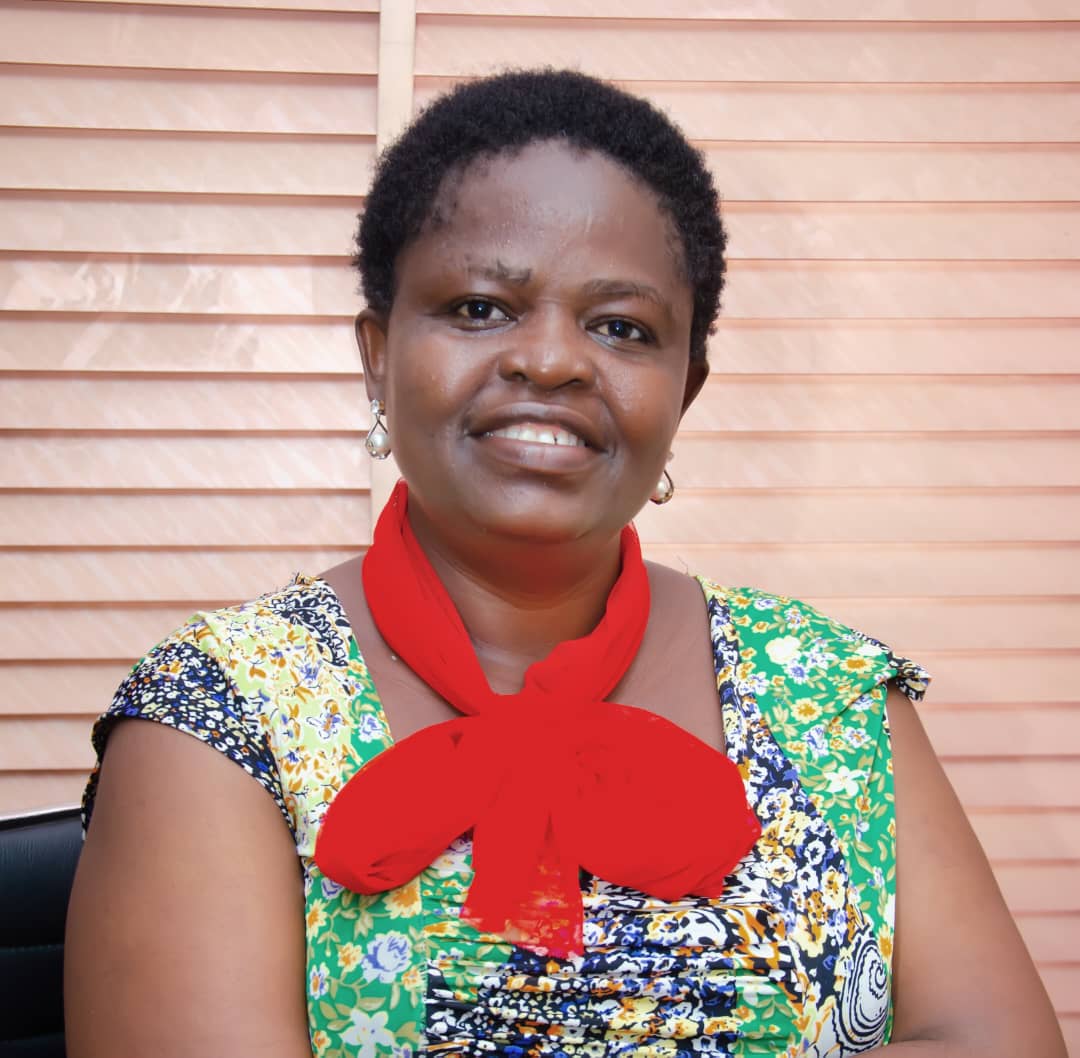

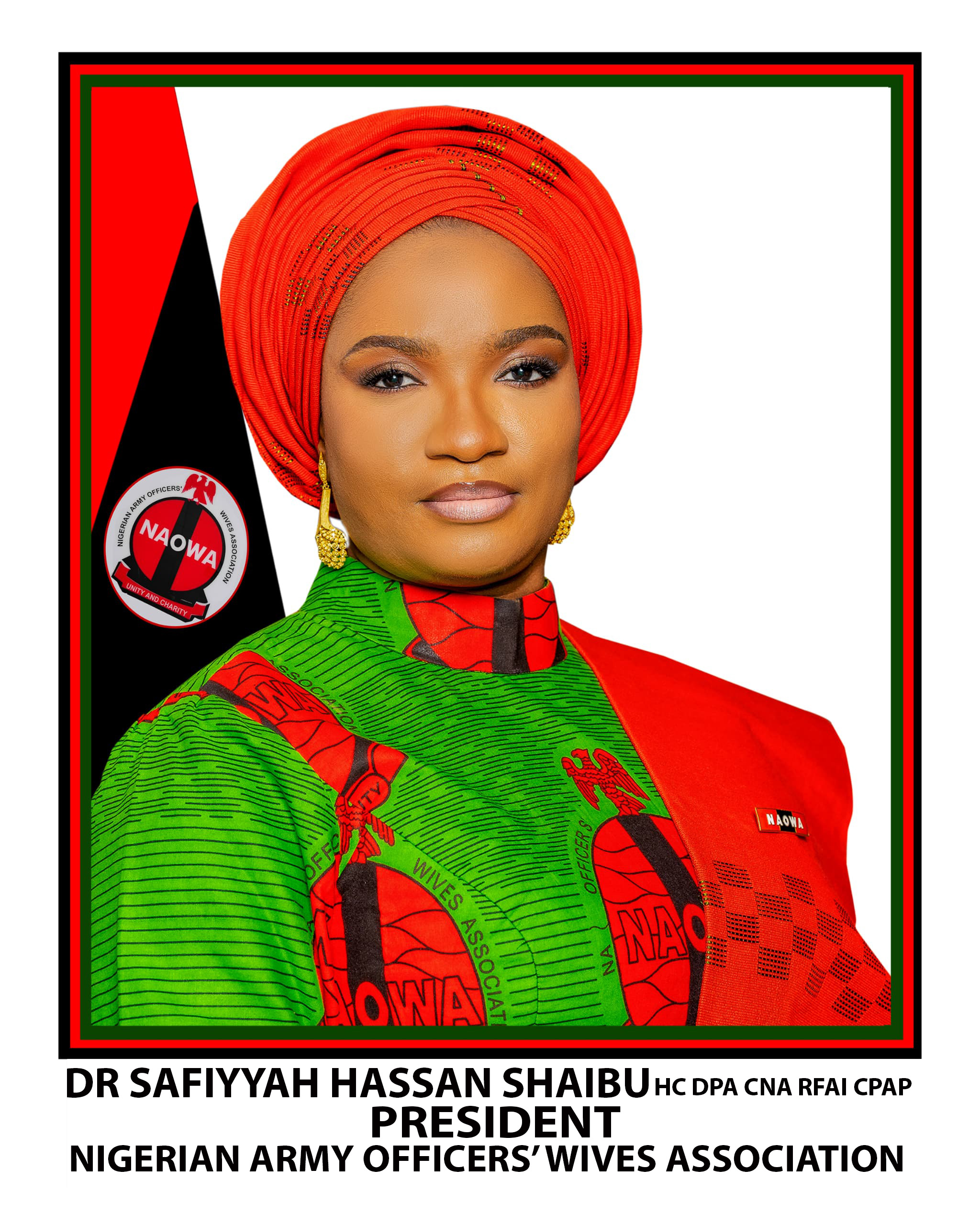






 Paper I
