UNICAF and UNESCO REF Partner on Scholarships for Nigerians

UNICAF Partners UNESCO REF on the Educational Financial Facility Scheme: 86 Per Cent Tuition Scholarship for Undergraduate, Master’s and Doctoral Study

The DispatchUNESCO REF Media Centre · EISSN 3156-55576 min read

UNESCO REF Media Centre | Education Financing

Nigerians admitted through the UNESCO REF EFFS pathway now contribute only 14 per cent of tuition for internationally accredited degrees, in a landmark partnership that complements the Federal Government’s NELFUND. Applications are now being received.

Applications are now being received. Read the official notice at the UNESCO REF Media Centre and apply through effs.unesco-ref.org.

ABUJA, Nigeria, July 2026. The Read and Earn Federation for UNESCO (UNESCO REF) and UNICAF have formalised a landmark strategic partnership under the UNESCO REF Educational Financial Facility Scheme (EFFS). Implemented under Category 2.15B2 of the UNESCO REF Strategic Intervention Programmes for Accelerated Learning and Productive Human Asset (SIP-ALPHA), the partnership offers qualifying Nigerians a blanket scholarship covering 86 per cent of tuition for internationally accredited undergraduate, Master’s and doctoral programmes. Students contribute the remaining 14 per cent.

Global alignmentAlignement mondialThe global commitments this story advances. Open to see how.
  • SDG4

    SDG 4, Quality Education (primary)

    ProvisionTarget 4.3: equal access to affordable, quality tertiary education; Target 4.b: expand scholarships for developing countries

    How the partnership responds86 per cent tuition scholarships for accredited degrees

  • SDG8

    SDG 8, Decent Work

    ProvisionTarget 8.6: reduce youth not in employment, education or training

    How the partnership respondsGraduate employability tracked as an outcome

  • SDG10

    SDG 10, Reduced Inequalities

    ProvisionTarget 10.2: economic and social inclusion of all

    How the partnership respondsRemoves the cost barrier to international credentials

  • SDG5

    SDG 5, Gender Equality

    ProvisionEqual access to education and opportunity

    How the partnership respondsOpen to all qualifying Nigerians, women and men alike

  • SDG17

    SDG 17, Partnerships

    ProvisionTarget 17.17: public, private and civil society partnerships

    How the partnership respondsA partnership between UNESCO REF and an international education provider

  • UNESCO

    UNESCO Education 2030 Framework for Action

    ProvisionInclusive, equitable quality education and lifelong learning for all

    How the partnership respondsFlexible online study alongside work and family life

  • NG

    Student Loans (Access to Higher Education) Act, 2024 (Nigeria)

    ProvisionNational student loan framework through NELFUND

    How the partnership respondsEFFS complements the national scheme

  • AU

    African Union Agenda 2063

    ProvisionAspiration 6: development driven by African youth

    How the partnership respondsExpands access to higher education for young Nigerians

The partnership opens a new door for Nigerians who aspire to internationally recognised qualifications but have been held back by cost. It brings together UNICAF’s established model of online higher education, delivered in partnership with accredited universities, and the governance framework of the EFFS, which UNESCO REF has built to make education financing structured, transparent and accountable. The result is a pathway to a globally recognised degree that can be pursued from Nigeria, alongside work and family responsibilities.

The scholarship at a glance

La bourse en bref

TermDetail
Scholarship86 per cent of tuition, applied as a blanket award
Student contribution14 per cent of tuition
Levels of studyUndergraduate, Master’s and doctoral (PhD)
Mode of studyOnline, with internationally accredited institutions
ScopeTuition only
EligibilityNigerians admitted through the UNESCO REF EFFS pathway
FrameworkSIP-ALPHA Category 2.15B2
StatusApplications now being received

Why it matters

Les enjeux

Demand for international education among young Nigerians has never been greater. UNESCO data show that the number of Nigerian students abroad nearly doubled between 2020 and 2023, from 71,753 to about 142,000, across 21 major study destinations. For the great majority of families, however, the cost of tuition and relocation places such study out of reach.

The national stakes are considerable. Nigeria scored 0.36 on the World Bank’s Human Capital Index in 2020, meaning that a child born in Nigeria could expect to attain only about a third of their full productive potential by the age of 18. Structured, affordable access to higher education is among the most direct means of closing that gap.

Complementing the national effort

En complément de l’effort national

The partnership is designed to complement, and not to duplicate, the Federal Government’s Nigerian Education Loan Fund (NELFUND), established under the Student Loans (Access to Higher Education) Act, 2024. By April 2026, NELFUND had disbursed N242.4 billion to more than 1.38 million students across 288 Nigerian tertiary institutions. The EFFS extends that national commitment to accredited international programmes, widening the choices available to Nigerian learners without drawing on public funds.

Voices of the partnership

Les voix du partenariat

“UNICAF will extend structured scholarship support to qualifying Nigerian students”

Dr Nicos Nicolaou, Founder and Chief Executive Officer, UNICAF

Prince Abdulsalami Ladigbolu-Oranmiyan, President of UNESCO REF, described the Educational Financial Facility Scheme as a “structured instrument designed to make globally recognised higher education more accessible to Nigerians,” established to offer a sustainable means of financing internationally accredited study in support of the Sustainable Development Goals.

A beneficiary’s story

Le témoignage d’une bénéficiaire

The partnership is already changing lives. Grace Adetola, a registered nurse in Abuja, had for years been unable to afford postgraduate study. Through the scheme she is now pursuing a Master’s degree in Public Health Management. The scholarship, she said, “has removed that structural barrier,” and she described the 86 per cent tuition support as life-changing.

Accountability and results

Redevabilité et résultats

The partnership will be judged by its outcomes. Success will be measured against four indicators: enrolment, programme completion, accreditation outcomes and graduate employability. UNESCO REF will report progress through the EFFS governance framework, so that students, families and partners can see what the scheme has achieved.

How to apply

Comment postuler

  1. Read the official notice at the UNESCO REF Media Centre.
  2. Visit effs.unesco-ref.org for programme information and eligibility.
  3. Apply for admission through the UNESCO REF EFFS pathway; only students admitted through this pathway qualify for the 86 per cent scholarship.
  4. Direct enquiries to The Lichfield, the official administrative contact point for the EFFS.

Read more at the Media Centre

En savoir plus au Centre des médias

The UNESCO REF Media Centre carries the official partnership notice and further coverage of the Educational Financial Facility Scheme. Visitors are warmly invited to read it in full:

Visit the UNESCO REF Media Centre to read the official notice and the latest updates on the scheme: unesco-ref.org/media/#effs-press-release.

ENDS

Notes to editorsNotes aux rédactions

About the EFFS. The Educational Financial Facility Scheme is the mechanism through which UNESCO REF works with investors, donors and partners to sponsor programmes and negotiate scholarships and fee reductions. Its education component complements the Federal Government’s Nigerian Education Loan Fund. It is administered by The Lichfield.

About UNICAF. UNICAF is an international provider of online higher education, offering degree programmes in partnership with accredited universities.

About UNESCO REF. The Read and Earn Federation for UNESCO (UNESCO REF) works to strengthen human and institutional capacity across Nigeria and Africa through education, research and professional development, in alignment with the 2030 Agenda for Sustainable Development.

Media enquiries. UNESCO REF Media Centre, [email protected]

SourcesSources

Bauchi State Joins UNESCO REF Young Women in Agriculture

YWA National Advocate Dr Mrs Elizabeth Egbetokun Strengthens Strategic Partnership with Bauchi State Government and Governor Senator Bala Abdulkadir Mohammed on Young Women in Agriculture

The DispatchUNESCO REF Media Centre · EISSN 3156-55576 min read

UNESCO REF Media Centre | Young Women in Agriculture

Bauchi State commits to the mobilisation, capacity building and economic empowerment of young women in agriculture, with women from every one of its 20 local government areas to be trained, in a partnership that extends the programme into the North East.

Follow this story and the latest updates on the Young Women in Agriculture programme at the UNESCO REF Media Centre.

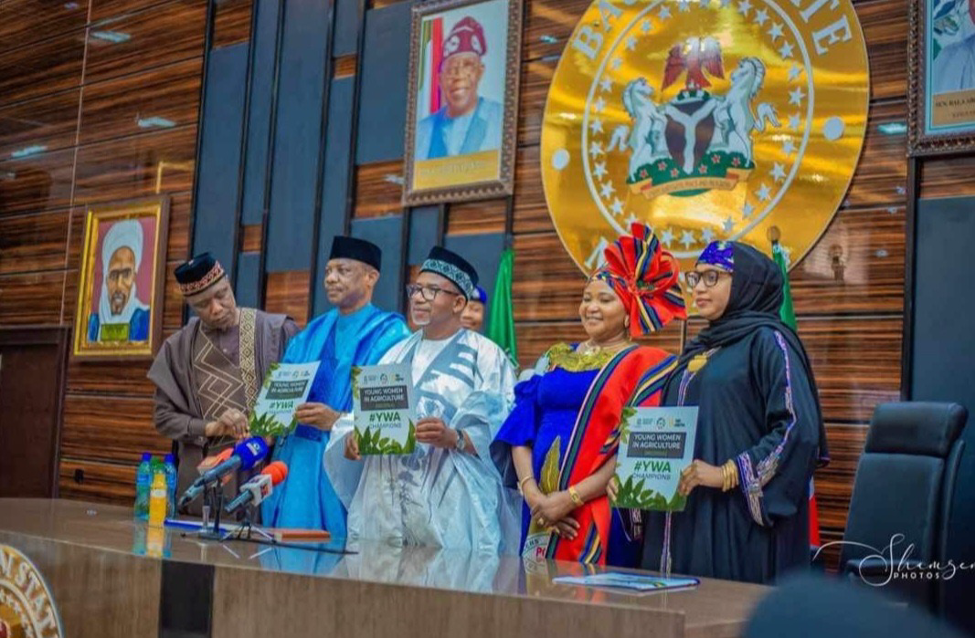
BAUCHI, Nigeria, 16 April 2024. Dr Mrs Elizabeth Egbetokun, National Advocate of the UNESCO REF Young Women in Agriculture (YWA) programme and National President of the Police Officers’ Wives Association (POWA), has paid a working visit to the Governor of Bauchi State, His Excellency Senator Bala Abdulkadir Mohammed. The visit formalised and accelerated collaboration between UNESCO REF, POWA and the Bauchi State Government on the strategic mobilisation, capacity building and economic empowerment of young women in agriculture across the State.

Global alignmentAlignement mondialThe global commitments this story advances. Open to see how.
  • SDG2

    SDG 2, Zero Hunger (primary)

    ProvisionTarget 2.3: double the productivity and incomes of small-scale producers, in particular women

    How the partnership respondsTraining, certification and income for young women in agriculture

  • SDG5

    SDG 5, Gender Equality

    ProvisionTarget 5.5: women’s leadership; Target 5.a: equal rights to economic resources

    How the partnership respondsYoung women as leaders of food production

  • SDG1

    SDG 1, No Poverty

    ProvisionTarget 1.4: equal rights to economic resources

    How the partnership respondsIncome opportunities for participants

  • SDG8

    SDG 8, Decent Work

    ProvisionTarget 8.6: reduce youth not in employment, education or training

    How the partnership respondsAgribusiness employment for women aged 18 to 35

  • MP

    Maputo Protocol

    ProvisionArticle 15: right to food security

    How the partnership respondsWomen at the centre of national food security

  • AU

    African Union Agenda 2063

    ProvisionAspiration 6: development driven by women and youth

    How the partnership respondsYoung women as drivers of agricultural transformation

  • SDG10

    SDG 10, Reduced Inequalities

    ProvisionTarget 10.2: inclusion irrespective of sex or location

    How the partnership respondsExtends the programme to women in Northern Nigeria

  • SDG17

    SDG 17, Partnerships

    ProvisionTarget 17.17: public and civil society partnerships

    How the partnership respondsA partnership between a State Government, UNESCO REF and POWA

The engagement reflects a shared commitment to gender equality, sustainable agriculture and inclusive rural development, and a common conviction that the women who sustain Nigeria’s farms must be equipped to lead them. It aligns the work of the State Government with national priorities on food security and with the global development frameworks to which Nigeria is committed.

A homecoming with a mandate

Un retour aux sources porteur d’un mandat

The visit carried particular meaning. Bauchi is Dr Mrs Egbetokun’s home State, and her return to launch the programme there signalled a personal as well as an institutional commitment to the women of the North East. It also marked an important step in extending the programme into Northern Nigeria, where the participation of women in formal agricultural programmes faces distinct social and practical barriers, and where the potential gains are correspondingly great.

The Governor’s commitment

L’engagement du Gouverneur

Governor Bala Mohammed commended Dr Mrs Egbetokun for her leadership in empowering women in agriculture, observing that the initiative would improve food security, raise productivity, create jobs and reduce poverty in the State. He praised the leadership of the Nigeria Police Force for supporting the effort and pledged that Bauchi State would make the fullest use of the programme.

In a constructive intervention, the Governor called for operational arrangements that would make it easier for more women from the northern States to take part, taking due account of the region’s social, cultural and religious context. His observation reflects a principle that the programme has since embraced: that inclusion must be designed, not assumed.

Reaching every local government area

Atteindre chaque collectivité locale

Under the programme, one woman from each of Bauchi State’s 20 local government areas was to be selected, trained and sponsored for agricultural training in the United States. Dr Mrs Egbetokun urged the women of the State to take full advantage of the opportunity.

The approach is deliberate. By drawing participants from every local government area rather than from the State capital alone, the programme ensures that its benefits reach rural communities across Bauchi, where agriculture is the mainstay of household livelihoods.

Why it matters

Les enjeux

Women are central to Nigeria’s food systems, yet they farm at a structural disadvantage. The Food and Agriculture Organization of the United Nations reports a 24 per cent gender gap in productivity between women and men farmers on farms of equal size, and finds that women in agricultural wage employment earn 82 cents for every dollar earned by men. Closing these gaps, FAO estimates, would raise global GDP by nearly US$1 trillion and reduce the number of food-insecure people by 45 million.

For a predominantly agrarian State such as Bauchi, the empowerment of women farmers is therefore a direct investment in food security, household welfare and rural prosperity.

Part of a national movement

Au cœur d’un mouvement national

The Bauchi engagement forms part of a wider national effort led by UNESCO REF and POWA. It followed the collaboration agreed with the Ogun State Government in September 2023, and helped lay the groundwork for the national flag-off of the 12 Million Young Women in Agriculture Mobilisation Campaign in Abuja on 10 March 2025, which set a target of two million young women in each of Nigeria’s six geopolitical zones. The programme’s national coordination has since been anchored in the Maryam Babangida National Centre for Women Development as National Secretariat.

Significance

Portée

The engagement demonstrates the model on which the YWA programme depends: national advocacy, matched by State commitment and local delivery. With the support of the Bauchi State Government, the programme gained a foothold in the North East from which it can extend to neighbouring States, carrying opportunity to young women in communities that development programmes have too often passed by.

Read more at the Media Centre

En savoir plus au Centre des médias

Visitors are warmly invited to follow this story, and the wider progress of the Young Women in Agriculture programme across the States, at the UNESCO REF Media Centre:

Visit the UNESCO REF Media Centre for this story and the latest updates on Young Women in Agriculture: unesco-ref.org/media/#bauchi-ywa.

ENDS

Notes to editorsNotes aux rédactions

About Young Women in Agriculture (YWA). YWA is a UNESCO REF flagship programme under the SIP-ALPHA framework that equips young women aged 18 to 35 with agribusiness education, certification and income opportunities, with a national target of 12 million women.

About UNESCO REF. The Read and Earn Federation for UNESCO (UNESCO REF) works to strengthen human and institutional capacity across Nigeria and Africa through education, research and professional development, in alignment with the 2030 Agenda for Sustainable Development.

Media enquiries. UNESCO REF Media Centre, [email protected]

SourcesSources

NCWD Named National Secretariat for Young Women in Agriculture

Maryam Babangida National Centre for Women Development Designated National Secretariat for the UNESCO REF Young Women in Agriculture Programme

The DispatchUNESCO REF Media Centre · EISSN 3156-55574 min read

UNESCO REF Media Centre | Young Women in Agriculture

The National Centre for Women Development will coordinate the national implementation of YWA, connecting the programme with Nigeria’s frameworks for women’s empowerment and sustainable development.

ABUJA, Nigeria. The Maryam Babangida National Centre for Women Development (NCWD) has been officially designated as the National Secretariat for the UNESCO REF Young Women in Agriculture (YWA) programme. The designation places the federal institution charged with the advancement of Nigerian women at the centre of the national effort to empower young women through agricultural innovation, skills development and sustainable livelihoods.

Global alignmentAlignement mondialThe global commitments this story advances. Open to see how.
  • SDG2

    SDG 2, Zero Hunger (primary)

    ProvisionTarget 2.3: double the productivity and incomes of small-scale producers, in particular women

    How the designation respondsTraining, certification and income for young women in agriculture

  • SDG5

    SDG 5, Gender Equality

    ProvisionTarget 5.5: women’s leadership; Target 5.a: equal rights to economic resources

    How the designation respondsYoung women as leaders of food production

  • SDG1

    SDG 1, No Poverty

    ProvisionTarget 1.4: equal rights to economic resources

    How the designation respondsIncome opportunities for participants

  • SDG8

    SDG 8, Decent Work

    ProvisionTarget 8.6: reduce youth not in employment, education or training

    How the designation respondsAgribusiness employment for women aged 18 to 35

  • MP

    Maputo Protocol

    ProvisionArticle 15: right to food security

    How the designation respondsWomen at the centre of national food security

  • AU

    African Union Agenda 2063

    ProvisionAspiration 6: development driven by women and youth

    How the designation respondsYoung women as drivers of agricultural transformation

  • SDG17

    SDG 17, Partnerships

    ProvisionTarget 17.17: public and civil society partnerships

    How the designation respondsA federal institution as national coordinator of a civil society programme

  • BDPA

    Beijing Declaration and Platform for Action

    ProvisionWomen and the economy; institutional mechanisms for women’s advancement

    How the designation respondsNational women’s development institution leads delivery

The decision gives the YWA programme an institutional home within the Federal Government’s own architecture for women’s development. It ensures that a campaign of national scale, mobilising 12 million young women across the six geopolitical zones, is coordinated through an established public institution with the mandate, convening authority and experience to sustain it.

Advocacy and approval

Plaidoyer et approbation

The designation followed sustained advocacy by Dr Mrs Elizabeth Egbetokun, UNESCO REF YWA National Advocate and then National President of the Police Officers’ Wives Association, who engaged stakeholders to align the request with Nigeria’s goals for women’s empowerment and agricultural transformation.

The Director-General and Chief Executive Officer of NCWD, Dr Asabe Vilita Bashir, formally approved the designation.

“This recognition by UNESCO REF is both an honor and a responsibility.”

Dr Asabe Vilita Bashir, Director-General, National Centre for Women Development

Dr Bashir affirmed the Centre’s readiness to assume the national mandate and to serve as a hub for innovation, collaboration and empowerment. She committed the Centre to ensuring that young women across Nigeria gain access to skills, mentorship and opportunities in agriculture and beyond.

Role of the National Secretariat

Rôle du Secrétariat national

As National Secretariat, NCWD will:

  • Coordinate the national implementation of the YWA programme.
  • Foster collaboration among government, development partners, the private sector and communities.
  • Ensure the programme’s alignment with national and international frameworks for women’s empowerment and sustainable development.

What YWA delivers

Ce qu’apporte le programme YWA

YWA increases young women’s participation in agriculture through training, mentorship and access to modern technologies, contributing to food security, poverty reduction, economic diversification and community resilience. The economic rationale is compelling: the Food and Agriculture Organization of the United Nations estimates that closing the gender gaps in agrifood systems would raise global GDP by nearly US$1 trillion and reduce the number of food-insecure people by 45 million.

Significance

Portée

The designation marks a decisive step in the institutionalisation of the YWA programme. By anchoring national coordination in a federal institution dedicated to women’s development, UNESCO REF and NCWD have given the programme the continuity and public accountability that a mobilisation of this scale requires.

ENDS

Notes to editorsNotes aux rédactions

About Young Women in Agriculture (YWA). YWA is a UNESCO REF flagship programme under the SIP-ALPHA framework that equips young women aged 18 to 35 with agribusiness education, certification and income opportunities, with a national target of 12 million women.

About NCWD. The Maryam Babangida National Centre for Women Development is a federal institution in Abuja dedicated to research, training and programmes for the advancement of women in Nigeria.

About UNESCO REF. The Read and Earn Federation for UNESCO (UNESCO REF) works to strengthen human and institutional capacity across Nigeria and Africa through education, research and professional development, in alignment with the 2030 Agenda for Sustainable Development.

Media enquiries. UNESCO REF Media Centre, [email protected]

SourcesSources

President Tinubu Commends UNESCO REF Nigeria Police Youths Summit

President Tinubu Commends Nigeria Police Force and UNESCO REF at the UNESCO REF Nigeria Police Youths Summit

The DispatchUNESCO REF Media Centre · EISSN 3156-55574 min read

UNESCO REF Media Centre | UNESCO REF Nigeria Police Youths Summit

More than 400 delegates from the 36 States and the Federal Capital Territory met the Inspector-General of Police and two Ministers on International Youth Day to forge a new compact between Nigeria’s youth and its security institutions.

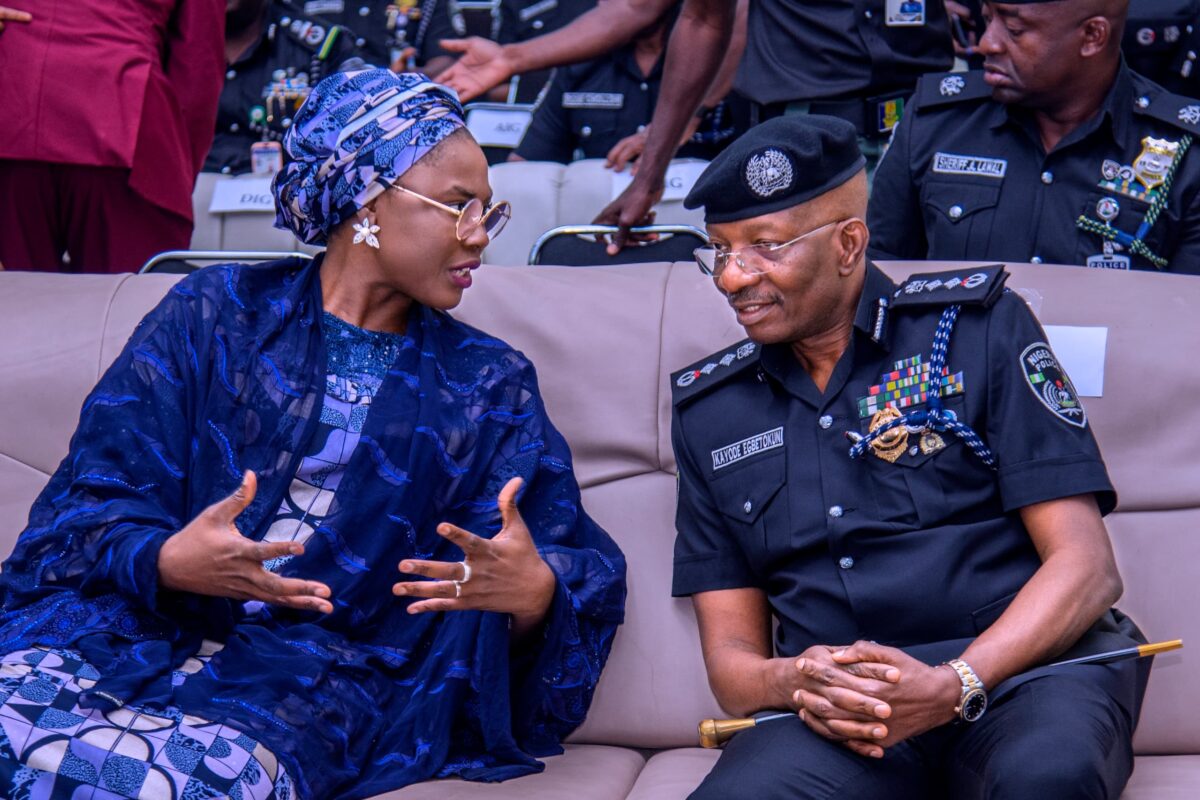
ABUJA, Nigeria, 12 August 2024. On United Nations International Youth Day, the Nigeria Police Force and the Read and Earn Federation for UNESCO (UNESCO REF) convened the UNESCO REF Nigeria Police Youths Summit at the Nigeria Police Force Resource Centre, Abuja. More than 400 delegates, among them youth leaders, police officers, civil society representatives and government officials from the 36 States and the Federal Capital Territory, gathered to reimagine the relationship between young Nigerians and the institutions charged with their security.

Global alignmentAlignement mondialThe global commitments this story advances. Open to see how.
  • SDG16

    SDG 16, Peace, Justice and Strong Institutions (primary)

    ProvisionTarget 16.6: accountable institutions; Target 16.7: inclusive, participatory decision-making

    How the Summit respondsYouth advisory councils and independent oversight

  • UNSC

    UN Security Council Resolution 2250 (2015)

    ProvisionYouth, Peace and Security: participation, protection and partnerships

    How the Summit respondsYoung people as partners in national security

  • SDG8

    SDG 8, Decent Work

    ProvisionTarget 8.6: youth employment and training

    How the Summit respondsEconomic empowerment as a security measure

  • SDG17

    SDG 17, Partnerships

    ProvisionTarget 17.17: public and civil society partnerships

    How the Summit respondsA partnership between the Nigeria Police Force and UNESCO REF

  • AYC

    African Youth Charter

    ProvisionYouth participation in decision-making

    How the Summit respondsStructured dialogue between youth and the Force

  • IYD

    United Nations International Youth Day

    ProvisionAnnual observance on 12 August

    How the Summit respondsSummit held on International Youth Day 2024

The Summit convened only days after the #EndBadGovernance protests of August 2024, in which young Nigerians across several States voiced grievances over economic hardship and governance. That context gave the gathering an urgency beyond ceremony. Young people were invited to put their questions directly to the Inspector-General of Police and to two federal Ministers, and to help shape a common agenda for trust.

The President’s message

Le message du Président

The Honourable Minister of Youth Development, Dr Jamila Bio Ibrahim, delivered the message of His Excellency, President Bola Ahmed Tinubu, GCFR, which opened: “Together, we can build a nation that is not only prosperous…” The message set out his administration’s agenda for young Nigerians, including:

  • NYSC enterprise funding of up to N10 million per beneficiary.
  • Support for 5,000 targeted corps ventures.
  • The National Youth Skills Programme.
  • A commitment by the Federal Executive Council to 30 per cent youth inclusion.
  • A planned Young Leaders Institute.

Speakers

Intervenants

  • Inspector-General of Police, Kayode Adeolu Egbetokun, PhD, NPM: keynote address.
  • Prince Abdulsalami Ladigbolu-Oranmiyan, President, UNESCO REF: presidential address.
  • Senator Ibrahim Gaidam, Honourable Minister of Police Affairs: ministerial address.
  • Professor Olanrewaju Fagbohun, SAN, former Vice-Chancellor, Lagos State University: guest keynote on trust and accountability.
  • Dr Jamila Bio Ibrahim, Honourable Minister of Youth Development: closing address.

Voices from the Summit

Les voix du Sommet

“This day underscores the importance of empowering youths, amplifying their voices, ensuring that their contributions are acknowledged and nurtured. The Nigeria Police Force is fully committed to protecting the rights and welfare of our youths.”

Kayode Adeolu Egbetokun, Inspector-General of Police

“Our focus today is on youths recognising themselves as change agents.”

Kayode Adeolu Egbetokun, Inspector-General of Police

“The Renewed Hope Agenda is rooted in a vision for a Nigeria where our youth are not only participants but leaders.”

Senator Ibrahim Gaidam, Honourable Minister of Police Affairs

“There is a trust gap between the security agencies and the youth.”

Senator Ibrahim Gaidam, Honourable Minister of Police Affairs

A frank exchange

Un échange franc

In an open session, delegates questioned the Inspector-General directly on the policing of protests, misconduct within the Force and the protection of farmers in insecure areas. The candour of the exchange, and the willingness of the Force’s leadership to engage it in public, set the tone for the Summit. Breakout sessions followed on crime prevention, conflict resolution, social media engagement and community policing.

Why it matters

Les enjeux

The relationship between young people and security institutions is a question of national stability. A 2023 study by the United Nations Development Programme found that about a quarter of voluntary recruits to violent extremist groups in sub-Saharan Africa cited job opportunities as their main reason for joining. Trust, inclusion and economic opportunity for the young are therefore not peripheral concerns of security policy but central to it.

Recommendations

Recommandations

The Summit closed with five recommendations for a new compact between Nigeria’s youth and its security institutions:

  1. Youth advisory councils at federal, state and local levels with real influence over security policy, beginning with State pilots.
  2. Secure digital platforms through which young people can share community intelligence, with anonymity, encryption and due process.
  3. Trust rebuilt through independent oversight, accessible complaint procedures and public reporting.
  4. Economic empowerment treated as a security measure, through skills, employment and entrepreneurship in high-risk communities.
  5. Regular youth and security summits, with quarterly national dialogues and more frequent regional ones.

As the Summit report observes, the true worth of the gathering will lie in the implementation of these recommendations. Read the full Summit report.

ENDS

Notes to editorsNotes aux rédactions

About UNESCO REF. The Read and Earn Federation for UNESCO (UNESCO REF) works to strengthen human and institutional capacity across Nigeria and Africa through education, research and professional development, in alignment with the 2030 Agenda for Sustainable Development.

Media enquiries. UNESCO REF Media Centre, [email protected]

SourcesSources

SIP X1: Digital Skills for 120,000 Young Nigerians a Year

The DispatchUNESCO REF Media Centre · EISSN 3156-55573 min read

UNESCO REF Media Centre | Digital Skills

Strategic Intervention Programme X1: Digital Technology Capacity Building for 120,000 Young Nigerians a Year

Through Category 2.9 of The August Project, UNESCO REF and global partners deliver training that equips young Nigerians to seize digital opportunity and manage digital risk.

ABUJA, Nigeria. The Read and Earn Federation for UNESCO (UNESCO REF), through Category 2.9 of The August Project (TAP), is working with global partners to deliver joint training for young people in the digital sector. Under the Strategic Intervention Programme X1 (SIP-X1) on the digital revolution, more than 120,000 young Nigerians will benefit each year.

Global alignmentAlignement mondialThe global commitments this story advances. Open to see how.
  • SDG4

    SDG 4, Quality Education (primary)

    ProvisionTarget 4.4: youth and adults with ICT skills for employment

    How SIP-X1 respondsDigital skills for 120,000 young Nigerians a year

  • SDG8

    SDG 8, Decent Work

    ProvisionTarget 8.6: youth employment and training; Target 8.10: access to financial services

    How SIP-X1 respondsPrepares youth for the digital and financial economy

  • SDG9

    SDG 9, Industry, Innovation and Infrastructure

    ProvisionTarget 9.c: access to information and communications technology

    How SIP-X1 respondsResponsible adoption of digital technology

  • SDG17

    SDG 17, Partnerships

    ProvisionTarget 17.8: enabling technology; Target 17.17: partnerships

    How SIP-X1 respondsJoint training with global partners

  • AU

    African Union Digital Transformation Strategy for Africa, 2020 to 2030

    ProvisionDigital skills and a trusted digital environment

    How SIP-X1 respondsBuilds digital capacity among young Africans

  • AU

    African Union Agenda 2063

    ProvisionAspiration 6: development driven by African youth

    How SIP-X1 respondsYouth at the centre of the digital economy

Digital technologies are reshaping every sphere of economic and social life, from finance and commerce to education, health and public administration. For a country with one of the youngest populations in the world, the capacity of young people to participate in that transformation, safely and productively, will shape national prosperity for a generation.

Why digital capacity, why now

Pourquoi les compétences numériques, et pourquoi maintenant

Three developments make investment in digital capacity urgent in Nigeria:

  • The pace of digitisation across public and private services.
  • The expansion of mobile access, bringing millions of new users online.
  • Proactive policy initiatives by the Central Bank of Nigeria to deepen digital financial services.

Each brings opportunity, and each brings risk. Without matching skills, user protection and good practice lag behind adoption, leaving new users exposed to fraud, misinformation and exclusion.

The programme

Le programme

SIP-X1 equips participants with the knowledge and skills to seize digital opportunities and to reduce digital risks, so that young people can adopt and adapt to the digital revolution responsibly. It is delivered through the Digital Technology Capacity Building (DTCB) programme, a core component of the TAP Project, which provides structured training and guidance for sustainable participation in the global digital economy.

UNESCO REF holds that early investment in training is essential, so that stakeholders and beneficiaries alike are prepared for fast-changing technologies rather than overtaken by them.

Significance

Portée

At a scale of 120,000 young people a year, SIP-X1 is designed not as a pilot but as a national contribution to digital inclusion. It complements UNESCO REF’s wider digital portfolio, including the GET EDUCATED pathway with the Global Learning Exchange and the ARDAI TIER I programme in artificial intelligence.

ENDS

Notes to editorsNotes aux rédactions

About TAP. The August Project is a UNESCO REF youth capacity-building initiative implemented across categories of education, enterprise and digital skills.

About UNESCO REF. The Read and Earn Federation for UNESCO (UNESCO REF) works to strengthen human and institutional capacity across Nigeria and Africa through education, research and professional development, in alignment with the 2030 Agenda for Sustainable Development.

Media enquiries. UNESCO REF Media Centre, [email protected]

SourcesSources