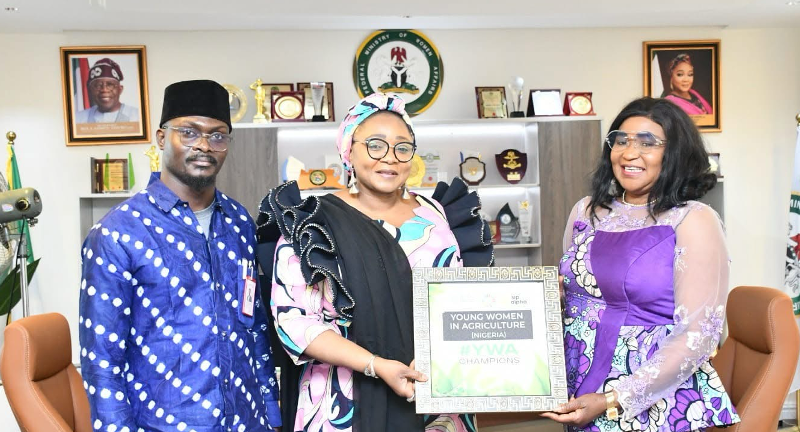
Young Women in Agriculture: UNESCO REF Meets the Minister of Women Affairs

UNESCO REF President and YWA National Advocate Hold Working Visit with Minister of Women Affairs on Food Security through Young Women in Agriculture

The DispatchUNESCO REF Media Centre · EISSN 3156-55574 min read

UNESCO REF Media Centre | Young Women in Agriculture

The Federal Ministry of Women Affairs and UNESCO REF agree joint action frameworks to roll out the Young Women in Agriculture programme and the national campaign to mobilise 12 million young women.

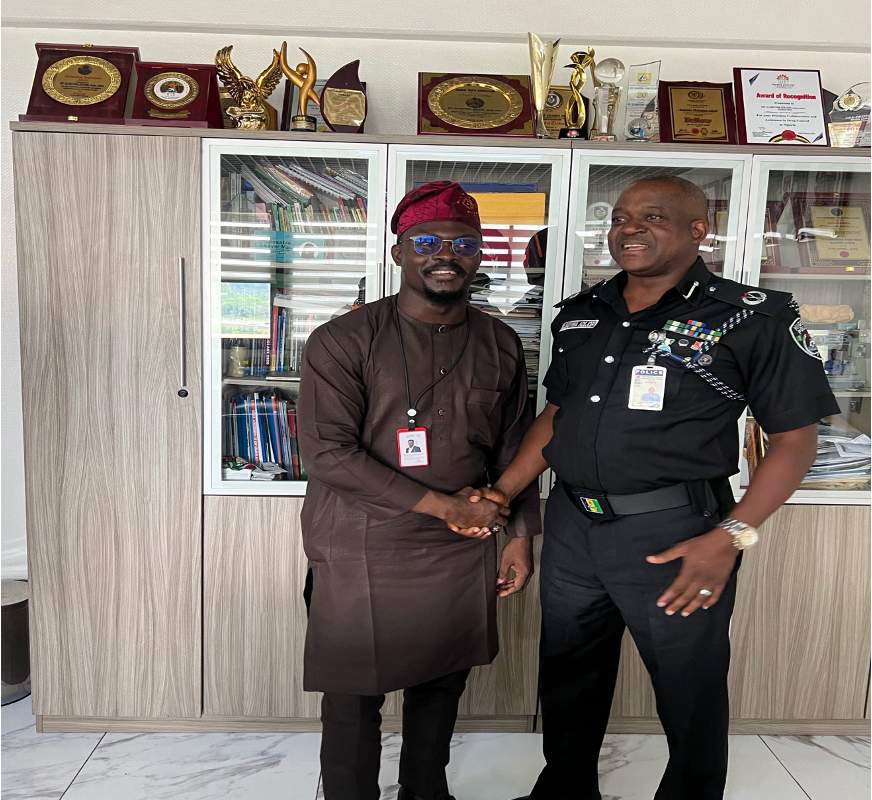
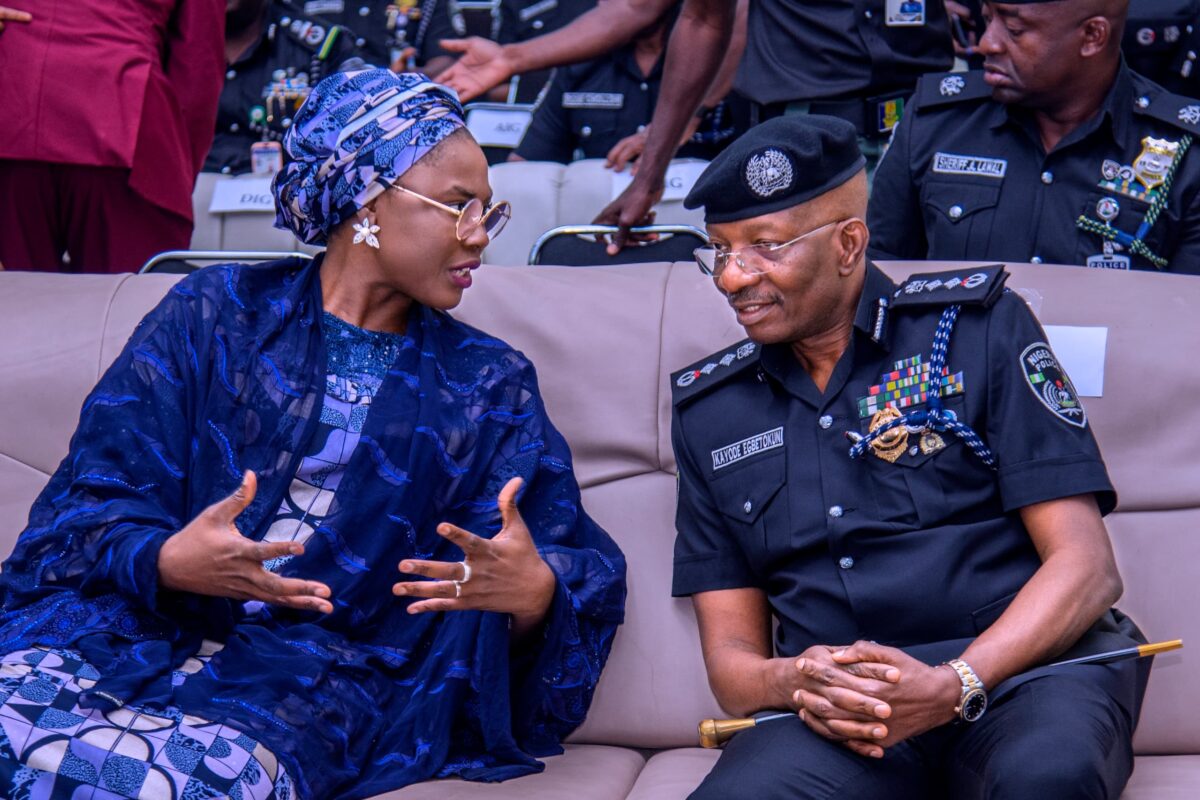
ABUJA, Nigeria. In furtherance of the national effort to secure Nigeria’s food future through the empowerment of its young women, the President of the Read and Earn Federation for UNESCO (UNESCO REF), Prince Abdulsalami Ladigbolu-Oranmiyan, accompanied by Dr Mrs Elizabeth Egbetokun, National Advocate of the UNESCO REF Young Women in Agriculture (YWA) programme and then National President of the Police Officers’ Wives Association (POWA), paid a working visit to the Honourable Minister of Women Affairs, Hajiya Imaan Sulaiman-Ibrahim. The meeting finalised the modalities for implementing YWA and for the National 12 Million Mobilisation Campaign.

Global alignmentAlignement mondialThe global commitments this story advances. Open to see how.
  • SDG2

    SDG 2, Zero Hunger (primary)

    ProvisionTarget 2.3: double the productivity and incomes of small-scale producers, in particular women

    How the partnership respondsNational mobilisation of young women in agriculture

  • SDG5

    SDG 5, Gender Equality

    ProvisionTarget 5.5: women’s full participation and leadership; Target 5.a: equal rights to economic resources

    How the partnership respondsWomen’s empowerment built into agricultural policy

  • SDG1

    SDG 1, No Poverty

    ProvisionTarget 1.4: equal rights to economic resources

    How the partnership respondsIncome opportunities for young women

  • SDG17

    SDG 17, Partnerships

    ProvisionTarget 17.17: public and civil society partnerships

    How the partnership respondsJoint action frameworks between a federal ministry and UNESCO REF

  • MP

    Maputo Protocol

    ProvisionArticle 15: right to food security

    How the partnership respondsWomen at the centre of national food security

  • AU

    African Union Agenda 2063

    ProvisionAspiration 6: development driven by women and youth

    How the partnership respondsYoung women as drivers of agricultural transformation

  • RHA

    Renewed Hope Agenda

    ProvisionFood security as a national priority

    How the partnership respondsSupports the Federal Government’s food security agenda

The engagement brought together the federal ministry charged with the advancement of Nigerian women and the civil society institution leading one of the country’s largest mobilisations of women in agriculture. Its purpose was practical: to agree how the two institutions would work together to translate national policy into opportunity for young women in every geopolitical zone.

A national priority

Une priorité nationale

The visit took place against the Federal Government’s declaration of food security as a national priority under the administration of President Bola Ahmed Tinubu, and alongside the First Lady’s Food Bank Initiative, which addresses hunger among vulnerable groups. The YWA programme places young women at the centre of that national effort, with a target of 12 million women, two million in each of Nigeria’s six geopolitical zones.

The case for doing so is compelling. The Food and Agriculture Organization of the United Nations reports a 24 per cent gender gap in productivity between women and men farmers on farms of equal size, and finds that closing the gender gaps in agrifood systems would raise global GDP by nearly US$1 trillion and reduce the number of food-insecure people by 45 million. In Nigeria, where the Cadre Harmonisé analysis projected that about 34.7 million people would face food insecurity in the 2026 lean season, the empowerment of women farmers is a matter of national resilience.

Perspectives of the delegation

Points de vue de la délégation

Prince Ladigbolu-Oranmiyan presented the YWA programme and the 12 Million Mobilisation Campaign as national platforms for empowerment and resilience, capable of positioning Nigeria as a continental leader in food security. He anchored both initiatives in the Sustainable Development Goals, in particular Goal 1 on ending poverty and Goal 2 on ending hunger.

Dr Mrs Egbetokun underscored the importance of integrating women’s empowerment and youth mobilisation into agricultural policy. She welcomed the Ministry’s readiness to support the expansion of training, the mobilisation of resources and outreach to communities across the Federation.

Agreed outcomes

Résultats convenus

The meeting concluded with three commitments:

  • Joint action frameworks to guide the rollout of the YWA programme across the States.
  • Strengthened institutional collaboration between UNESCO REF and the Federal Ministry of Women Affairs.
  • Partner mobilisation in support of the YWA programme and the 12 Million Mobilisation Campaign.

Significance

Portée

The engagement marks the alignment of a federal ministry with a civil society programme of national scale. By bringing the Ministry’s policy mandate together with UNESCO REF’s delivery architecture and POWA’s grassroots reach, the partnership creates a pathway through which the empowerment of young women can contribute directly to Nigeria’s food security.

ENDS

Notes to editorsNotes aux rédactions

About Young Women in Agriculture (YWA). YWA is a UNESCO REF flagship programme under the SIP-ALPHA framework that equips young women aged 18 to 35 with agribusiness education, certification and income opportunities, with a national target of 12 million women.

About UNESCO REF. The Read and Earn Federation for UNESCO (UNESCO REF) works to strengthen human and institutional capacity across Nigeria and Africa through education, research and professional development, in alignment with the 2030 Agenda for Sustainable Development.

Media enquiries. UNESCO REF Media Centre, [email protected]

SourcesSources

UNESCO REF and the Nigeria Police Force: Youth for National Cohesion

UNESCO REF President’s Working Visit to the Nigeria Police Force: Advancing National Cohesion through Youth Engagement

The DispatchUNESCO REF Media Centre · EISSN 3156-55573 min read

UNESCO REF Media Centre | UNESCO REF Nigeria Police Youths Summit

Meeting the Force Public Relations Officer at a time of national protest, the President of UNESCO REF finalised plans for the first UNESCO REF Nigeria Police Youths Summit on International Youth Day.

ABUJA, Nigeria, August 2024. At a moment of heightened national tension, the President of the Read and Earn Federation for UNESCO (UNESCO REF), Prince Abdulsalami Ladigbolu-Oranmiyan, paid a working visit to the Force Public Relations Officer of the Nigeria Police Force, ACP Olumuyiwa Adejobi, to finalise preparations for the first UNESCO REF Nigeria Police Youths Summit. The Summit was scheduled for 12 August 2024, United Nations International Youth Day.

Global alignmentAlignement mondialThe global commitments this story advances. Open to see how.
  • SDG16

    SDG 16, Peace, Justice and Strong Institutions (primary)

    ProvisionTarget 16.7: responsive, inclusive and participatory decision-making

    How the Summit respondsGives young people a direct voice with the security institutions

  • SDG17

    SDG 17, Partnerships

    ProvisionTarget 17.17: public and civil society partnerships

    How the Summit respondsA partnership between the Nigeria Police Force and UNESCO REF

  • UNSC

    UN Security Council Resolution 2250 (2015)

    ProvisionYouth, Peace and Security: participation and partnerships

    How the Summit respondsYouth engagement in national security dialogue

  • IYD

    United Nations International Youth Day

    ProvisionAnnual observance on 12 August

    How the Summit respondsSummit held on International Youth Day 2024

  • AYC

    African Youth Charter

    ProvisionYouth participation in decision-making

    How the Summit respondsStructured youth and police dialogue

The visit took place during the #EndBadGovernance protests of August 2024, when young Nigerians took to the streets in several States to voice grievances over economic hardship and governance. The protests brought the relationship between the nation’s youth and its security institutions into sharp public focus, and underscored the urgency of structured, good-faith dialogue between them.

Choosing dialogue over distance

Choisir le dialogue plutôt que la distance

Both parties agreed that the moment called for engagement rather than estrangement. The planned Summit would offer young people a direct and respectful channel to the leadership of the Nigeria Police Force, and offer the Force an opportunity to listen, explain and commit.

“A national platform for reconciliation and partnership.”

Prince Abdulsalami Ladigbolu-Oranmiyan, President, UNESCO REF, describing the Summit

ACP Adejobi affirmed the readiness of the Nigeria Police Force to partner UNESCO REF on youth-focused programmes, and welcomed the Summit as a contribution to public trust.

Purpose of the Summit

Objet du Sommet

The Summit was conceived around three objectives: to rebuild trust between the police and Nigerian youth, to advance civic education on rights, responsibilities and lawful engagement, and to create inclusive avenues through which young people could participate in shaping the policing of their communities.

What followed

La suite

The UNESCO REF Nigeria Police Youths Summit convened as planned on 12 August 2024 at the Nigeria Police Force Resource Centre, Abuja. More than 400 delegates from the 36 States and the Federal Capital Territory engaged the Inspector-General of Police and two federal Ministers, and the Summit closed with five recommendations for a new compact between youth and the security institutions.

ENDS

Notes to editorsNotes aux rédactions

About the Summit. The UNESCO REF Nigeria Police Youths Summit was held on 12 August 2024 at the Nigeria Police Force Resource Centre, Abuja, with more than 400 delegates from the 36 states and the Federal Capital Territory.

About UNESCO REF. The Read and Earn Federation for UNESCO (UNESCO REF) works to strengthen human and institutional capacity across Nigeria and Africa through education, research and professional development, in alignment with the 2030 Agenda for Sustainable Development.

Media enquiries. UNESCO REF Media Centre, [email protected]

SourcesSources

President Tinubu Commends UNESCO REF Nigeria Police Youths Summit

President Tinubu Commends Nigeria Police Force and UNESCO REF at the UNESCO REF Nigeria Police Youths Summit

The DispatchUNESCO REF Media Centre · EISSN 3156-55574 min read

UNESCO REF Media Centre | UNESCO REF Nigeria Police Youths Summit

More than 400 delegates from the 36 States and the Federal Capital Territory met the Inspector-General of Police and two Ministers on International Youth Day to forge a new compact between Nigeria’s youth and its security institutions.

ABUJA, Nigeria, 12 August 2024. On United Nations International Youth Day, the Nigeria Police Force and the Read and Earn Federation for UNESCO (UNESCO REF) convened the UNESCO REF Nigeria Police Youths Summit at the Nigeria Police Force Resource Centre, Abuja. More than 400 delegates, among them youth leaders, police officers, civil society representatives and government officials from the 36 States and the Federal Capital Territory, gathered to reimagine the relationship between young Nigerians and the institutions charged with their security.

Global alignmentAlignement mondialThe global commitments this story advances. Open to see how.
  • SDG16

    SDG 16, Peace, Justice and Strong Institutions (primary)

    ProvisionTarget 16.6: accountable institutions; Target 16.7: inclusive, participatory decision-making

    How the Summit respondsYouth advisory councils and independent oversight

  • UNSC

    UN Security Council Resolution 2250 (2015)

    ProvisionYouth, Peace and Security: participation, protection and partnerships

    How the Summit respondsYoung people as partners in national security

  • SDG8

    SDG 8, Decent Work

    ProvisionTarget 8.6: youth employment and training

    How the Summit respondsEconomic empowerment as a security measure

  • SDG17

    SDG 17, Partnerships

    ProvisionTarget 17.17: public and civil society partnerships

    How the Summit respondsA partnership between the Nigeria Police Force and UNESCO REF

  • AYC

    African Youth Charter

    ProvisionYouth participation in decision-making

    How the Summit respondsStructured dialogue between youth and the Force

  • IYD

    United Nations International Youth Day

    ProvisionAnnual observance on 12 August

    How the Summit respondsSummit held on International Youth Day 2024

The Summit convened only days after the #EndBadGovernance protests of August 2024, in which young Nigerians across several States voiced grievances over economic hardship and governance. That context gave the gathering an urgency beyond ceremony. Young people were invited to put their questions directly to the Inspector-General of Police and to two federal Ministers, and to help shape a common agenda for trust.

The President’s message

Le message du Président

The Honourable Minister of Youth Development, Dr Jamila Bio Ibrahim, delivered the message of His Excellency, President Bola Ahmed Tinubu, GCFR, which opened: “Together, we can build a nation that is not only prosperous…” The message set out his administration’s agenda for young Nigerians, including:

  • NYSC enterprise funding of up to N10 million per beneficiary.
  • Support for 5,000 targeted corps ventures.
  • The National Youth Skills Programme.
  • A commitment by the Federal Executive Council to 30 per cent youth inclusion.
  • A planned Young Leaders Institute.

Speakers

Intervenants

  • Inspector-General of Police, Kayode Adeolu Egbetokun, PhD, NPM: keynote address.
  • Prince Abdulsalami Ladigbolu-Oranmiyan, President, UNESCO REF: presidential address.
  • Senator Ibrahim Gaidam, Honourable Minister of Police Affairs: ministerial address.
  • Professor Olanrewaju Fagbohun, SAN, former Vice-Chancellor, Lagos State University: guest keynote on trust and accountability.
  • Dr Jamila Bio Ibrahim, Honourable Minister of Youth Development: closing address.

Voices from the Summit

Les voix du Sommet

“This day underscores the importance of empowering youths, amplifying their voices, ensuring that their contributions are acknowledged and nurtured. The Nigeria Police Force is fully committed to protecting the rights and welfare of our youths.”

Kayode Adeolu Egbetokun, Inspector-General of Police

“Our focus today is on youths recognising themselves as change agents.”

Kayode Adeolu Egbetokun, Inspector-General of Police

“The Renewed Hope Agenda is rooted in a vision for a Nigeria where our youth are not only participants but leaders.”

Senator Ibrahim Gaidam, Honourable Minister of Police Affairs

“There is a trust gap between the security agencies and the youth.”

Senator Ibrahim Gaidam, Honourable Minister of Police Affairs

A frank exchange

Un échange franc

In an open session, delegates questioned the Inspector-General directly on the policing of protests, misconduct within the Force and the protection of farmers in insecure areas. The candour of the exchange, and the willingness of the Force’s leadership to engage it in public, set the tone for the Summit. Breakout sessions followed on crime prevention, conflict resolution, social media engagement and community policing.

Why it matters

Les enjeux

The relationship between young people and security institutions is a question of national stability. A 2023 study by the United Nations Development Programme found that about a quarter of voluntary recruits to violent extremist groups in sub-Saharan Africa cited job opportunities as their main reason for joining. Trust, inclusion and economic opportunity for the young are therefore not peripheral concerns of security policy but central to it.

Recommendations

Recommandations

The Summit closed with five recommendations for a new compact between Nigeria’s youth and its security institutions:

  1. Youth advisory councils at federal, state and local levels with real influence over security policy, beginning with State pilots.
  2. Secure digital platforms through which young people can share community intelligence, with anonymity, encryption and due process.
  3. Trust rebuilt through independent oversight, accessible complaint procedures and public reporting.
  4. Economic empowerment treated as a security measure, through skills, employment and entrepreneurship in high-risk communities.
  5. Regular youth and security summits, with quarterly national dialogues and more frequent regional ones.

As the Summit report observes, the true worth of the gathering will lie in the implementation of these recommendations. Read the full Summit report.

ENDS

Notes to editorsNotes aux rédactions

About UNESCO REF. The Read and Earn Federation for UNESCO (UNESCO REF) works to strengthen human and institutional capacity across Nigeria and Africa through education, research and professional development, in alignment with the 2030 Agenda for Sustainable Development.

Media enquiries. UNESCO REF Media Centre, [email protected]

SourcesSources

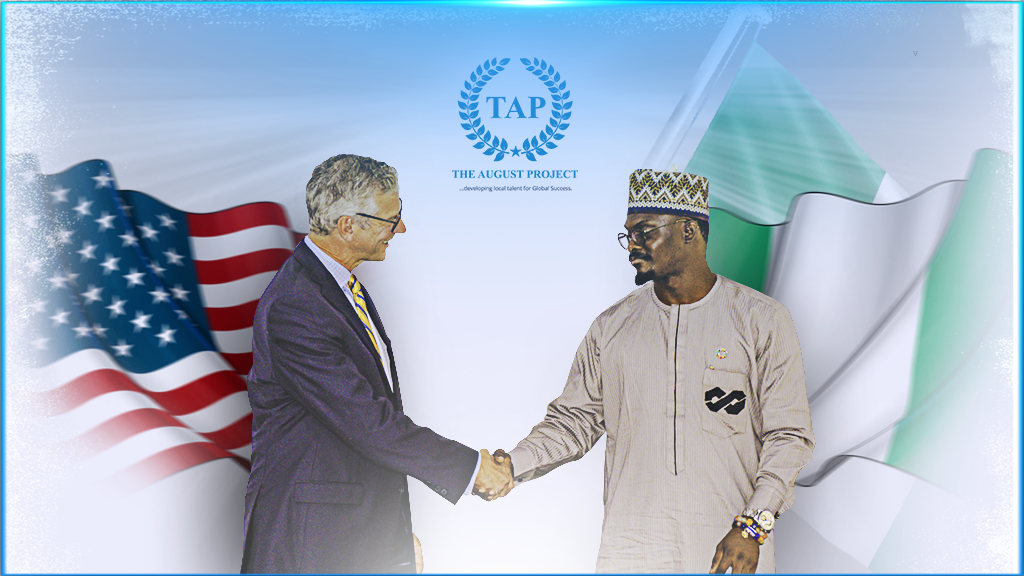
Sonic Foundry, GLX and UNESCO REF: $100M SDGs Scheme

Sonic Foundry and GLX University Partners Join UNESCO REF in a USD 100 Million SDGs Global Mission Scheme for Nigeria

The DispatchUNESCO REF Media Centre · EISSN 3156-55575 min read

UNESCO REF Media Centre | Institutional Archives | Strategic Partnership

A three-year pilot led by the United States-based Sonic Foundry Inc. with GLX university partners in Australia, the United Kingdom and the United States sets out to widen access to accredited higher education, strengthen youth employability and build lasting learning infrastructure in Nigeria, with at least 55 per cent of scholarship resources directed to girls and young women.

ABUJA, Nigeria, 8 November 2022. The Read and Earn Federation for UNESCO (UNESCO REF) has joined Sonic Foundry Inc. and its GLX university partners in Australia, the United Kingdom and the United States in the SDGs Global Mission Scheme (SGMS), a three-year, USD 100 million pilot programme in Nigeria. The Scheme is designed to expand equitable access to higher education, strengthen youth employability and build resilient educational infrastructure, in a model intended to be replicated across emerging economies.

Global alignmentAlignement mondialThe global commitments this story advances. Open to see how.
  • SDG4

    SDG 4, Quality Education (primary)

    ProvisionTarget 4.3: equal access to affordable tertiary education; Target 4.b: expand scholarships for developing countries; Target 4.5: eliminate gender disparities

    How the Scheme respondsUSD 40 million in scholarships, with at least 55 per cent for girls and young women

  • SDG8

    SDG 8, Decent Work (primary)

    ProvisionTarget 8.6: reduce youth not in employment, education or training

    How the Scheme respondsAt least 60 per cent of graduates in employment or internships within 12 months

  • SDG5

    SDG 5, Gender Equality

    ProvisionTarget 5.3: eliminate child, early and forced marriage

    How the Scheme respondsOutreach to out-of-school girls at risk of early marriage and exploitation

  • SDG9

    SDG 9, Industry, Innovation and Infrastructure

    ProvisionTarget 9.c: increase access to information and communications technology

    How the Scheme respondsGLX Hubs with digital access and learning technology

  • SDG17

    SDG 17, Partnerships

    ProvisionTarget 17.17: public, private and civil society partnerships

    How the Scheme respondsAn international steering committee of private, public and civil society partners

  • UNESCO

    UNESCO Education 2030 Framework for Action

    ProvisionInclusive and equitable quality education and lifelong learning

    How the Scheme respondsDegrees and professional certifications through flexible pathways

  • AU

    African Union Agenda 2063

    ProvisionAspiration 6: development driven by the potential of African youth

    How the Scheme respondsHigher education and employment for young Nigerians

The partnership brings together international higher education, private investment and a Nigerian institution with deep roots in youth development. It rests on a simple premise: that talent is evenly distributed across Nigeria, but opportunity is not, and that a well-governed scheme can close the distance between the two at scale.

The Scheme at a glance

Le programme en bref

ElementDetail
NameSDGs Global Mission Scheme (SGMS)
Lead partnerSonic Foundry Inc., with GLX university partners in Australia, the United Kingdom and the United States
Nigerian partnerUNESCO REF
Duration and valueThree years, USD 100 million
Pilot countryNigeria, as a model for emerging economies
Primary goalsSDG 4, Quality Education, and SDG 8, Decent Work, with contributions to SDG 9 and SDG 17

Four objectives

Quatre objectifs

  1. Scholarships for accredited study. Funding for Bachelor’s and Master’s degrees and professional certifications through accredited GLX partner institutions.
  2. GLX Hubs. Physical learning centres offering study space, digital access, academic advising, mental health services and career planning.
  3. Reaching those most at risk. Targeted resources for out-of-school girls and recent secondary school graduates, to reduce barriers such as early marriage and exploitation.
  4. From learning to livelihood. Stronger retention, skills alignment, internships and international job placement for the most accomplished graduates.

Where the money goes

La répartition des fonds

ComponentAllocation (USD)Share
Scholarships and tuition40 million40%
GLX Hub capital and technology25 million25%
Operations and staffing15 million15%
Employability and placement10 million10%
Monitoring, evaluation and research5 million5%
Contingency and partnerships5 million5%
Total100 million100%

Scholarships account for the largest single share, but the design is deliberate in investing equally in what surrounds them: the hubs in which students learn, the services that keep them enrolled, and the placement support that turns a qualification into a career.

Why it matters

Les enjeux

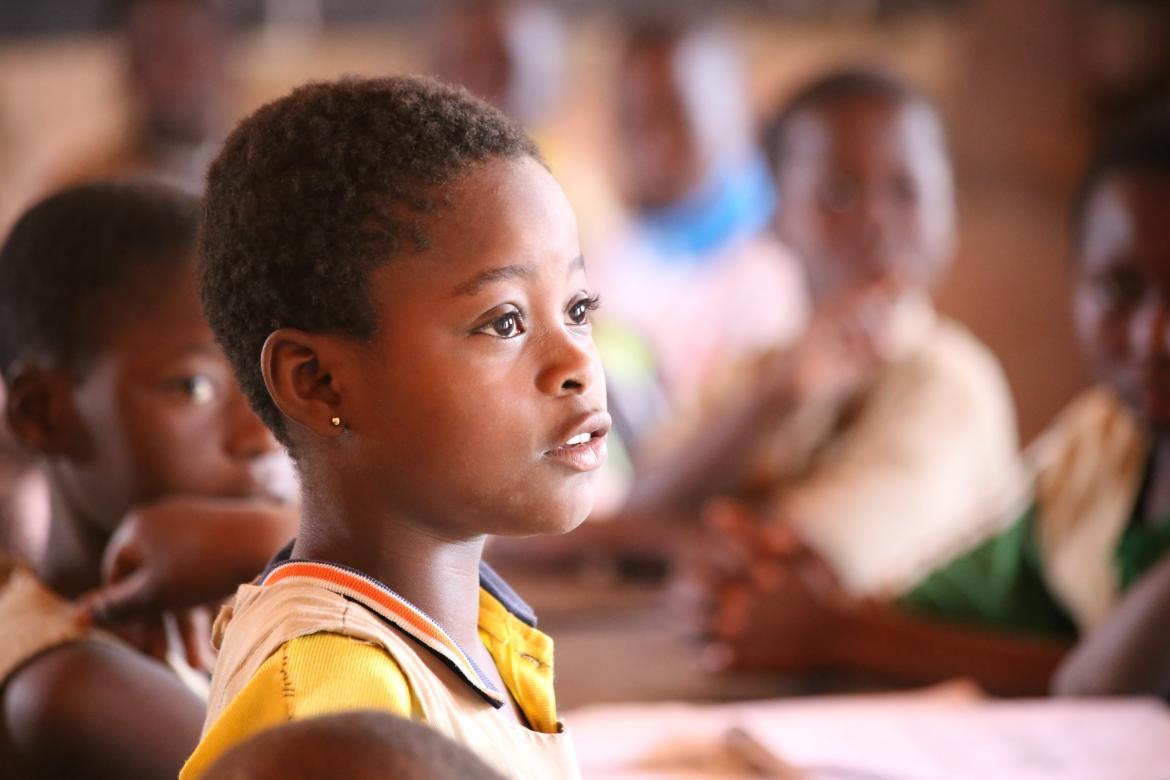
Nigeria has one of the youngest populations in the world, and an estimated 20 million children and young people out of school. For those who complete secondary education, access to accredited tertiary study remains constrained by cost, capacity and distance. A scheme that combines funded places at international institutions with local hubs and career support addresses all three constraints at once.

The emphasis on girls is equally deliberate. By committing at least 55 per cent of scholarship resources to girls and young women, and by reaching out-of-school girls directly, the Scheme recognises that the barriers facing young women, including early marriage and exploitation, are among the most decisive obstacles to their education and economic independence.

How it will be delivered

Modalités de mise en œuvre

  • Scholarships awarded on the basis of merit and need.
  • GLX Hubs operated through public-private partnerships with national ministries, UNESCO REF, the Nigeria Police Force Education Unit, local universities and employers.
  • Performance-based disbursement, with funds released against results.
  • Phased rollout, so that each stage is tested before the next begins.

Governance and safeguards

Gouvernance et garanties

An International Steering Committee, bringing together Sonic Foundry, GLX representatives, UNESCO REF, Nigerian government officials, civil society and independent auditors, will provide oversight. A National Programme Office will manage day-to-day operations.

The Scheme is bound by child protection and gender-sensitive policies, a grievance redress mechanism and data protection standards. Independent midline and endline evaluations will be conducted, and results will be reported publicly each year.

Measuring success

Mesurer la réussite

IndicatorThree-year target
Enrolment10,000 students
Graduation rate, degree programmesAt least 70 per cent
Formal employment or internship within 12 monthsAt least 60 per cent of graduates
Scholarship resources for girls and young womenAt least 55 per cent
Hub utilisationTracked through quarterly dashboards

Progress will be tracked through quarterly dashboards, independent evaluations aligned with the SDG indicator framework, and public reporting.

An invitation to partners

Une invitation aux partenaires

The Scheme is conceived as a platform for collective action. United Nations agencies, bilateral donors, foundations, academic institutions and private employers are invited to co-finance, co-design and help scale the model, in Nigeria and beyond. Partnership enquiries may be directed to UNESCO REF through the Institutional Partnership Process.

ENDS

Notes to editorsNotes aux rédactions

About the SGMS. The SDGs Global Mission Scheme is a three-year, USD 100 million pilot led by Sonic Foundry Inc. with GLX university partners in Australia, the United Kingdom and the United States, implemented in Nigeria with UNESCO REF and national partners.

About UNESCO REF. The Read and Earn Federation for UNESCO (UNESCO REF) works to strengthen human and institutional capacity across Nigeria and Africa through education, research and professional development, in alignment with the 2030 Agenda for Sustainable Development.

Media enquiries. UNESCO REF Media Centre, [email protected]

SourcesSources

UNESCO Report: Boys at Risk of Not Completing School

Boys Face a Significant Risk of Not Completing Their Education, Warns UNESCO Report

The DispatchUNESCO REF Media Centre · EISSN 3156-55573 min read

UNESCO REF Media Centre | Outside Source

UNESCO’s global report on boys’ disengagement from education finds that while girls face greater barriers to entry, boys are increasingly falling behind in secondary and tertiary education in most regions of the world.

September 2022. A global report by UNESCO, Leave no child behind: global report on boys’ disengagement from education, warns that boys in many parts of the world face a significant risk of not completing their education. While girls continue to face greater barriers to entering school and make up the majority of out-of-school children at primary level, the report finds that boys face mounting challenges at later stages of education.

Global alignmentAlignement mondialThe global commitments this story advances. Open to see how.
  • SDG4

    SDG 4, Quality Education (primary)

    ProvisionTarget 4.1: complete primary and secondary education; Target 4.5: eliminate gender disparities

    RelevanceBoys’ completion of secondary and tertiary education

  • SDG8

    SDG 8, Decent Work

    ProvisionTarget 8.7: end child labour in all its forms

    RelevanceChild labour drives boys’ dropout

  • SDG5

    SDG 5, Gender Equality

    ProvisionGender equality for all learners

    RelevanceAddresses disadvantage wherever it falls

  • ILO

    ILO Convention 138

    ProvisionMinimum age for admission to employment

    RelevanceAlign working age with compulsory schooling

The report challenges a narrow reading of gender equality in education. Its message is that equity requires attention to disadvantage wherever it falls: to the girls still denied entry to the classroom, and to the boys who enter it but leave too soon. It draws on data from across the world to show where, and why, boys are falling behind.

Key findings

Principales conclusions

IndicatorFinding
Tertiary enrolment worldwide88 men enrolled for every 100 women
Upper-secondary enrolmentFewer boys than girls enrolled in 73 countries; the reverse in 48
Child labour, 2020160 million children, of whom 97 million were boys
Reading at age 10Boys read less well than girls in 57 countries with data
Minimum working ageIn 31 per cent of 146 countries, below 15 or not clearly defined

Young men are under-represented in higher education in every region except sub-Saharan Africa. The report identifies East Asia and the Pacific, Latin America and the Caribbean, and the Arab States as regions where boys face some of the highest risks of dropping out.

Why boys disengage

Pourquoi les garçons décrochent

The report traces boys’ disengagement to poverty, child labour and other pressures that pull them away from learning. Child labour is a decisive factor: where boys are expected to work, school becomes secondary, grade repetition rises and dropout follows. Warning signs often appear as early as the end of primary school.

Recommendations

Recommandations

  • Prevent boys from dropping out, acting on early warning signs at the end of primary school.
  • Make learning environments safe and inclusive.
  • Invest in better data and evidence on disengagement.
  • Build and finance equitable education systems.
  • Promote integrated, coordinated approaches that improve education for all learners.
  • Align the minimum working age with the end of compulsory education.

Why it matters for Nigeria

Les enjeux pour le Nigéria

For Nigeria, the report’s findings resonate strongly. The country has an estimated 20 million out-of-school children and youth, and according to the National Bureau of Statistics, 24.7 million children aged 5 to 17 were in child labour in 2022. The report’s call to align the minimum working age with compulsory schooling speaks directly to the link between child labour and school dropout that UNESCO REF has highlighted in its own advocacy.

ENDS

Notes to editorsNotes aux rédactions

About this article. This article summarises a report published by UNESCO. The findings are UNESCO’s own.

About UNESCO REF. The Read and Earn Federation for UNESCO (UNESCO REF) works to strengthen human and institutional capacity across Nigeria and Africa through education, research and professional development, in alignment with the 2030 Agenda for Sustainable Development.

Media enquiries. UNESCO REF Media Centre, [email protected]

SourcesSources