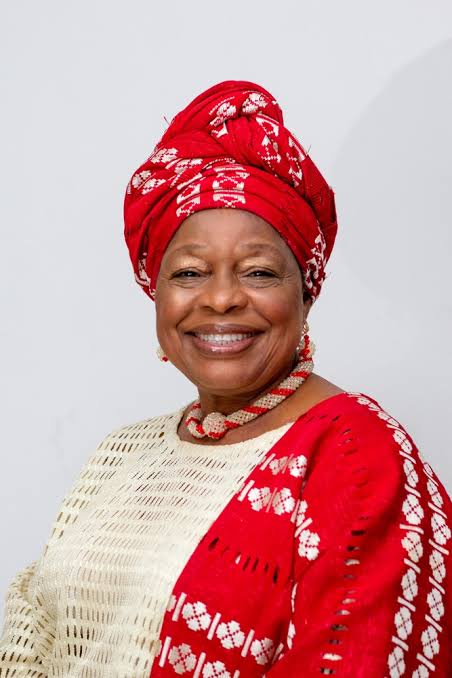
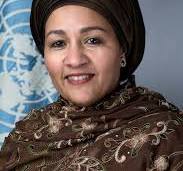
Prof. Hafsat Ganduje
Wife to the National Chairman of the All Progressives Congress, Dr. Abdullahi Ganduje • Advocate for Women’s Empowerment
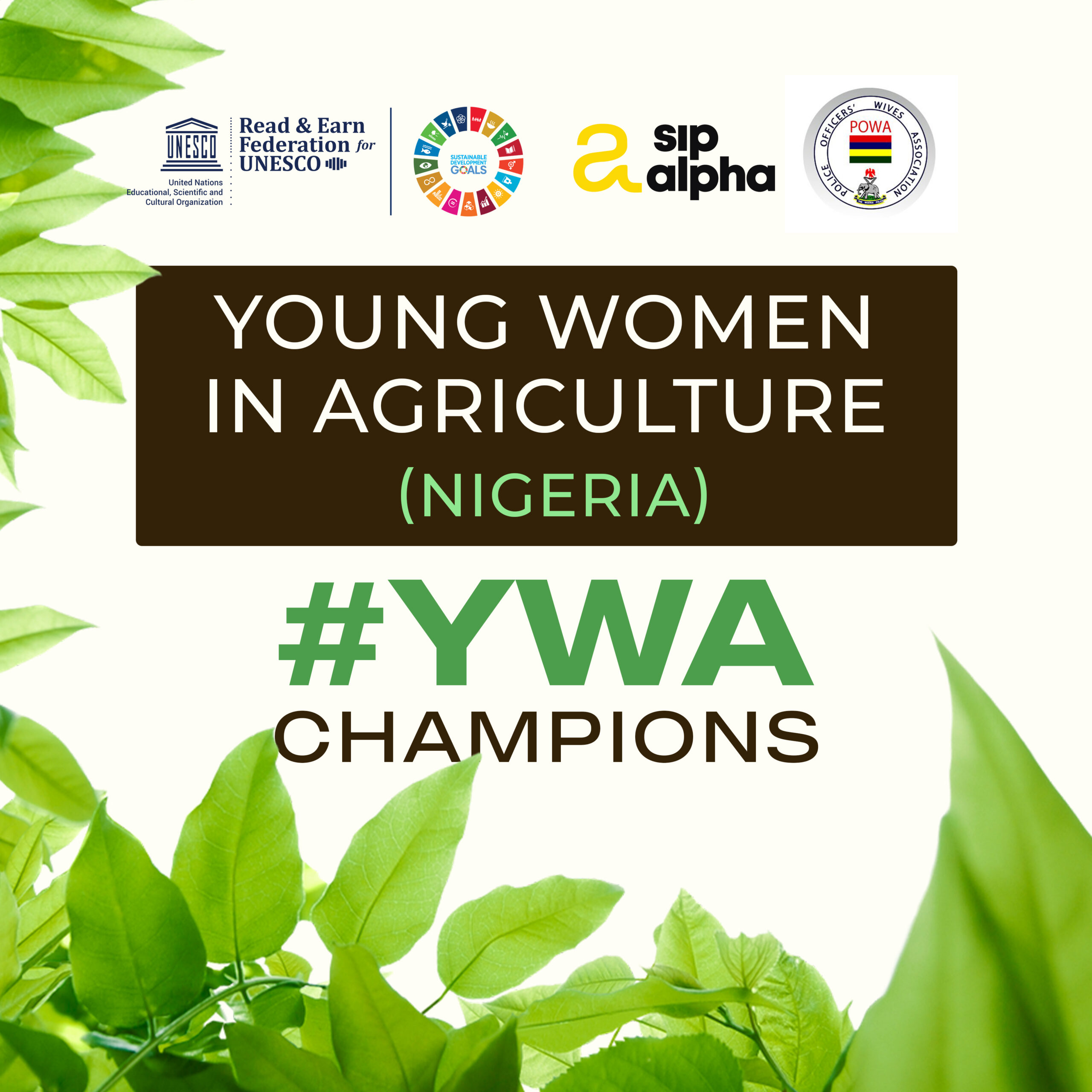
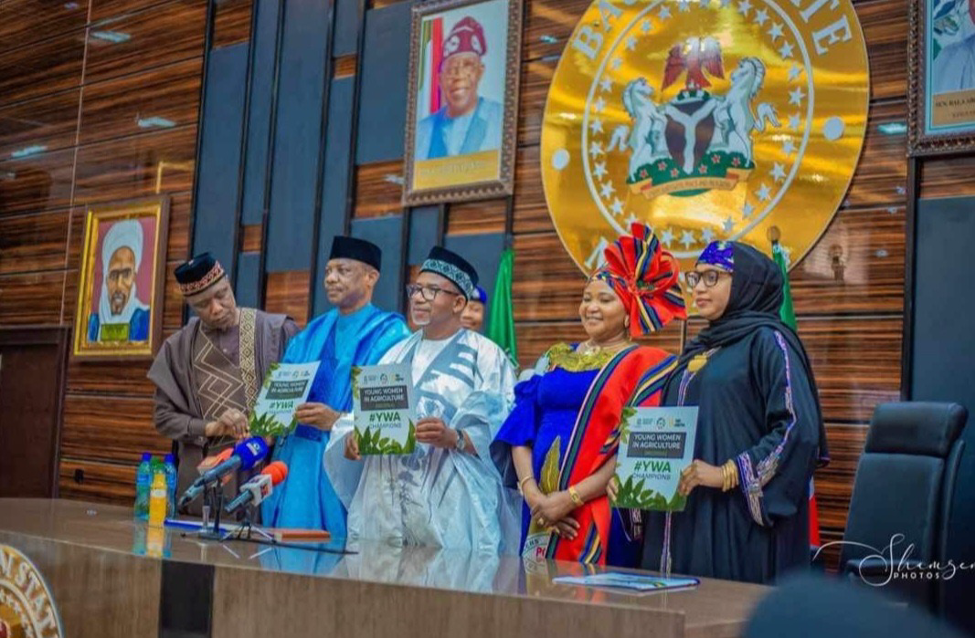
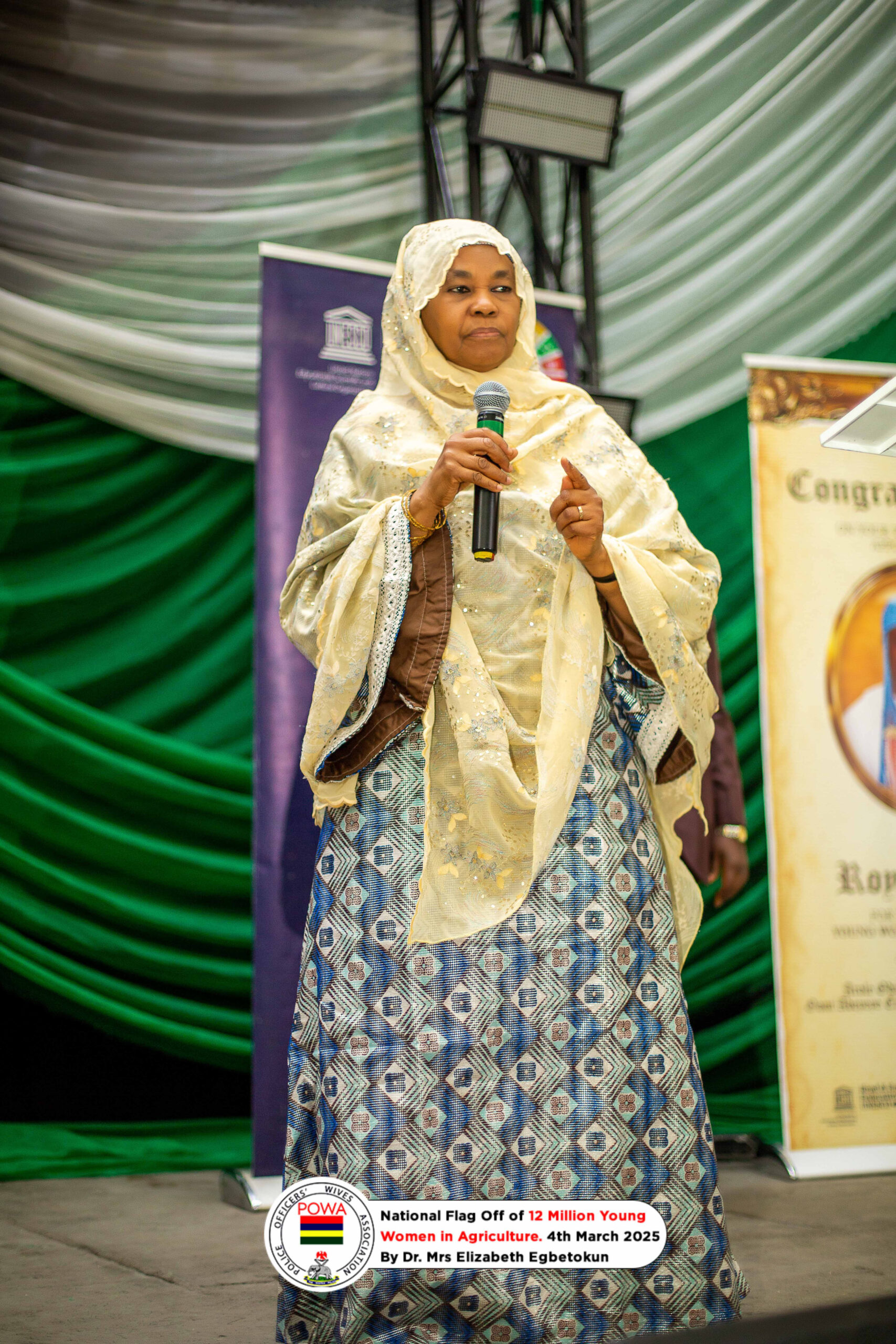
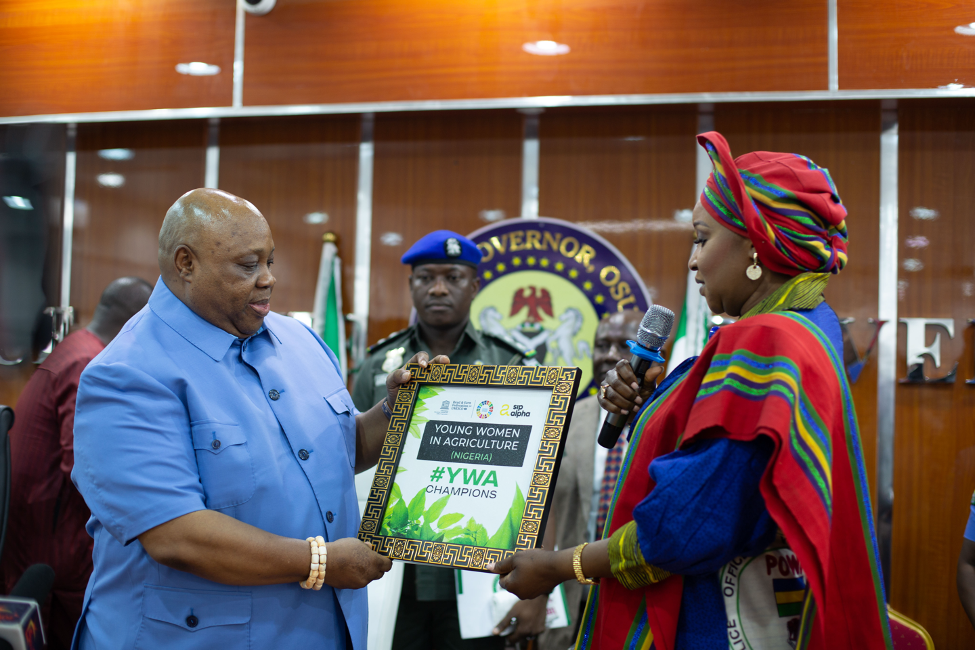
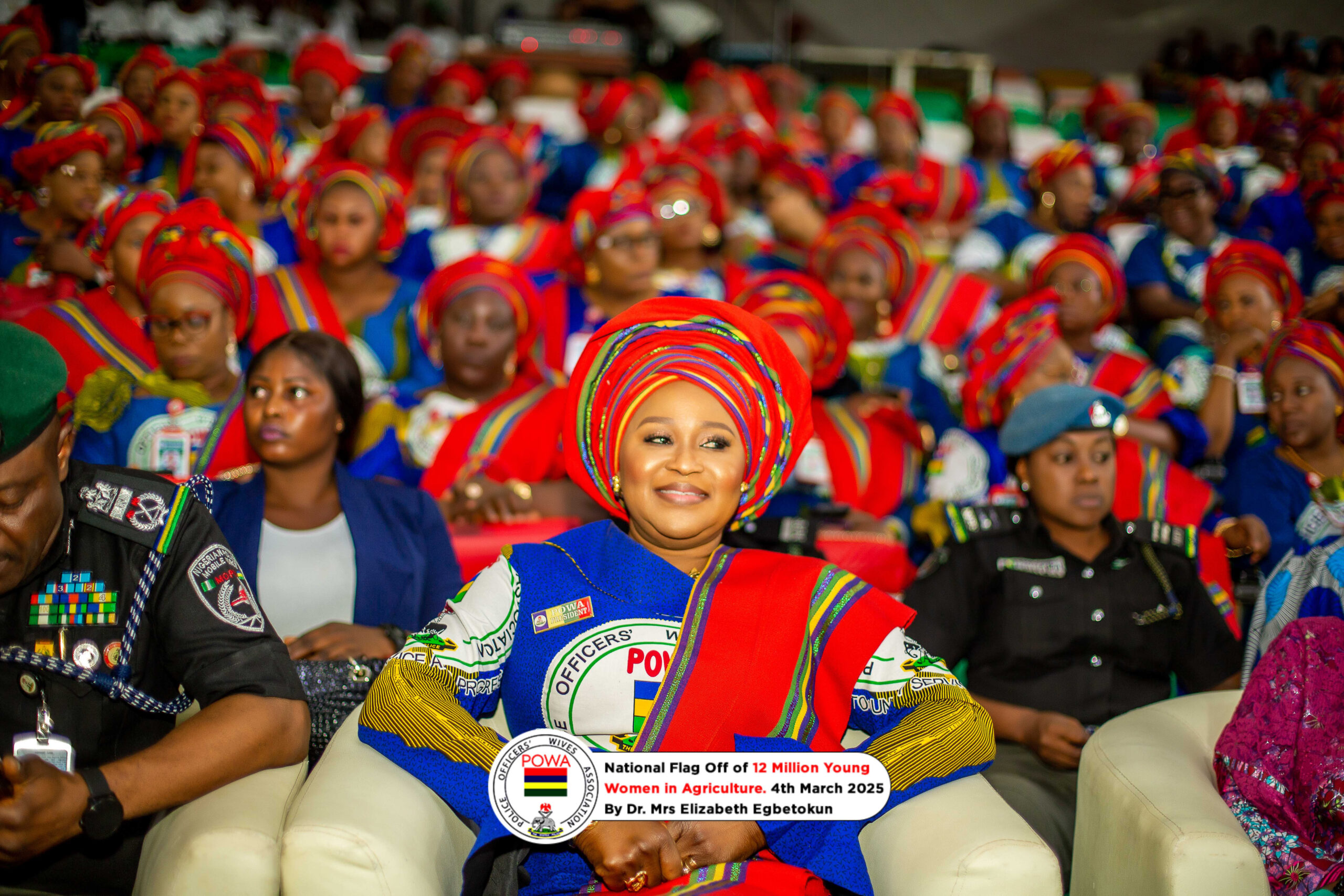
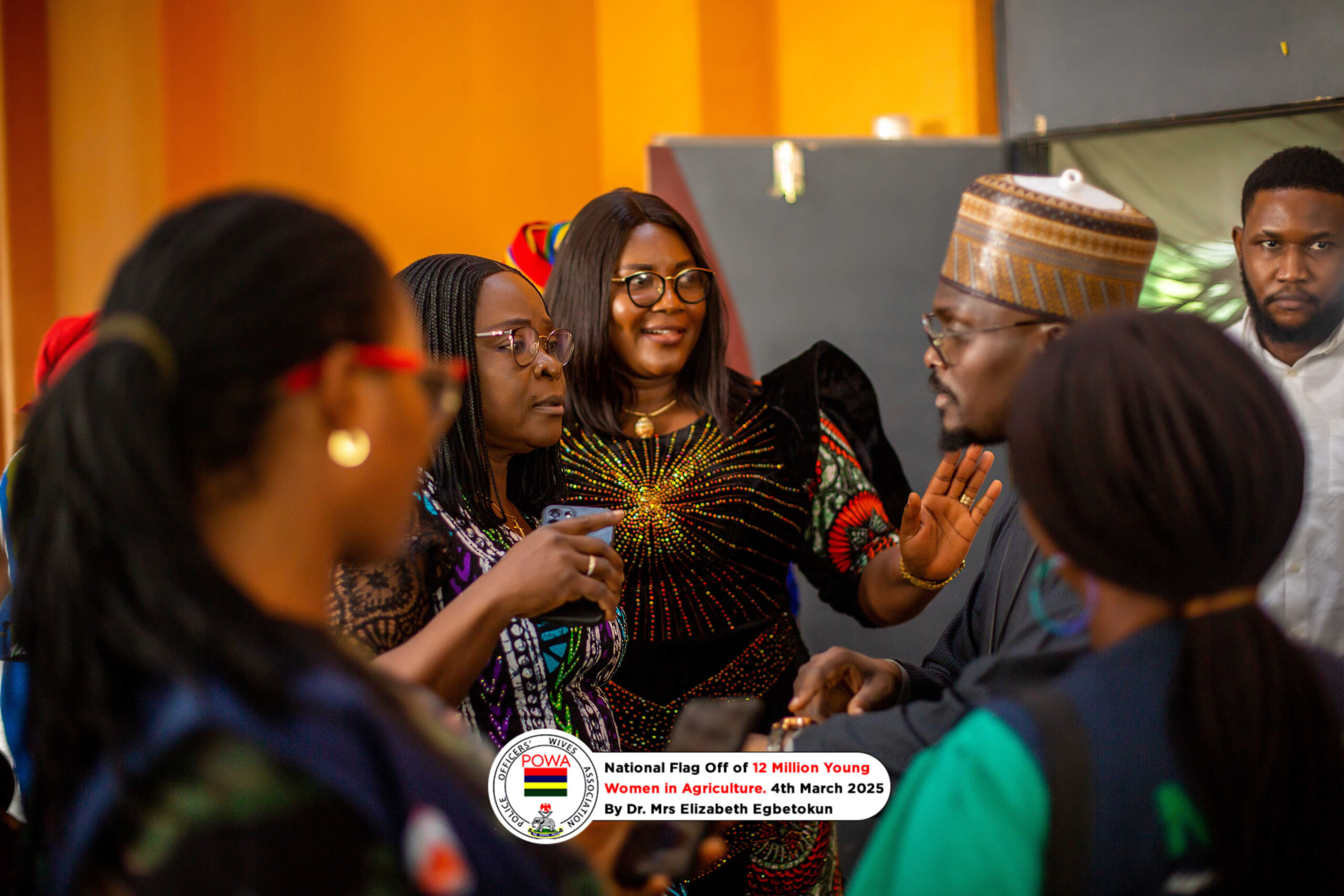
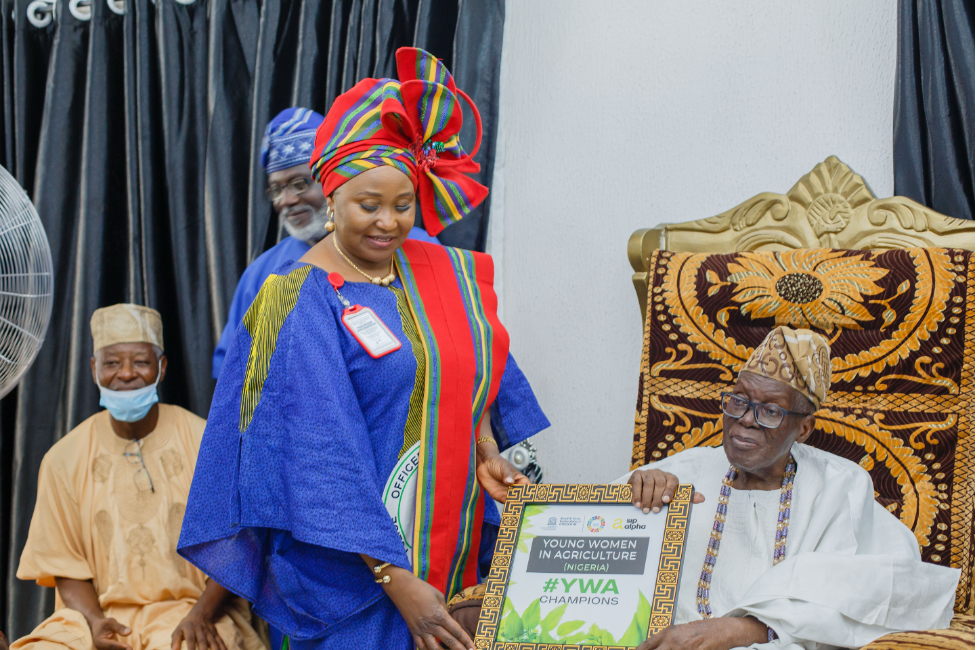
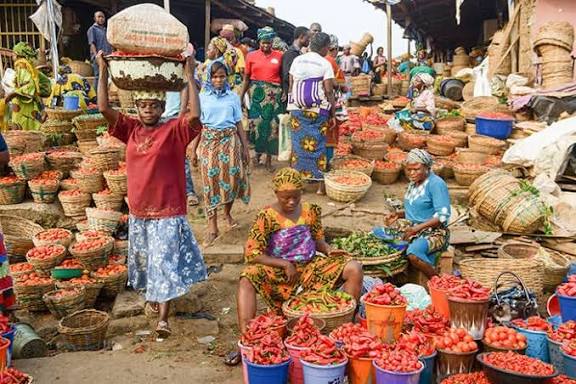
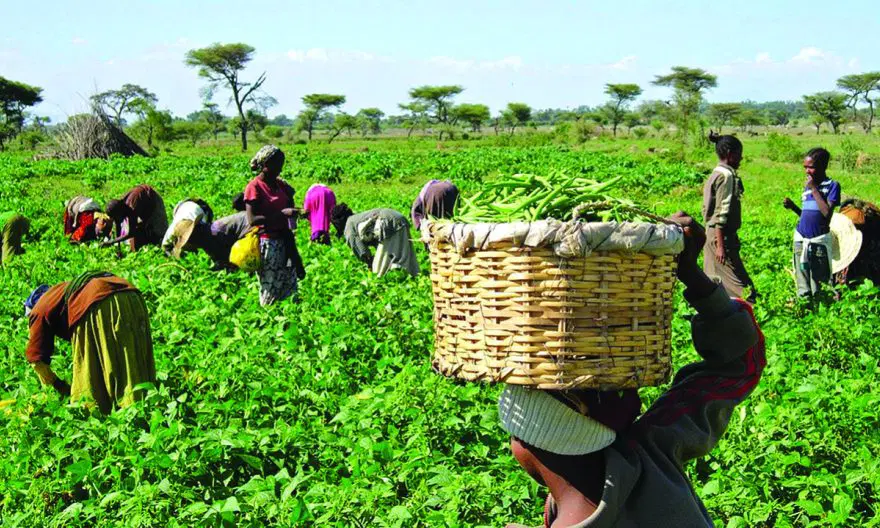
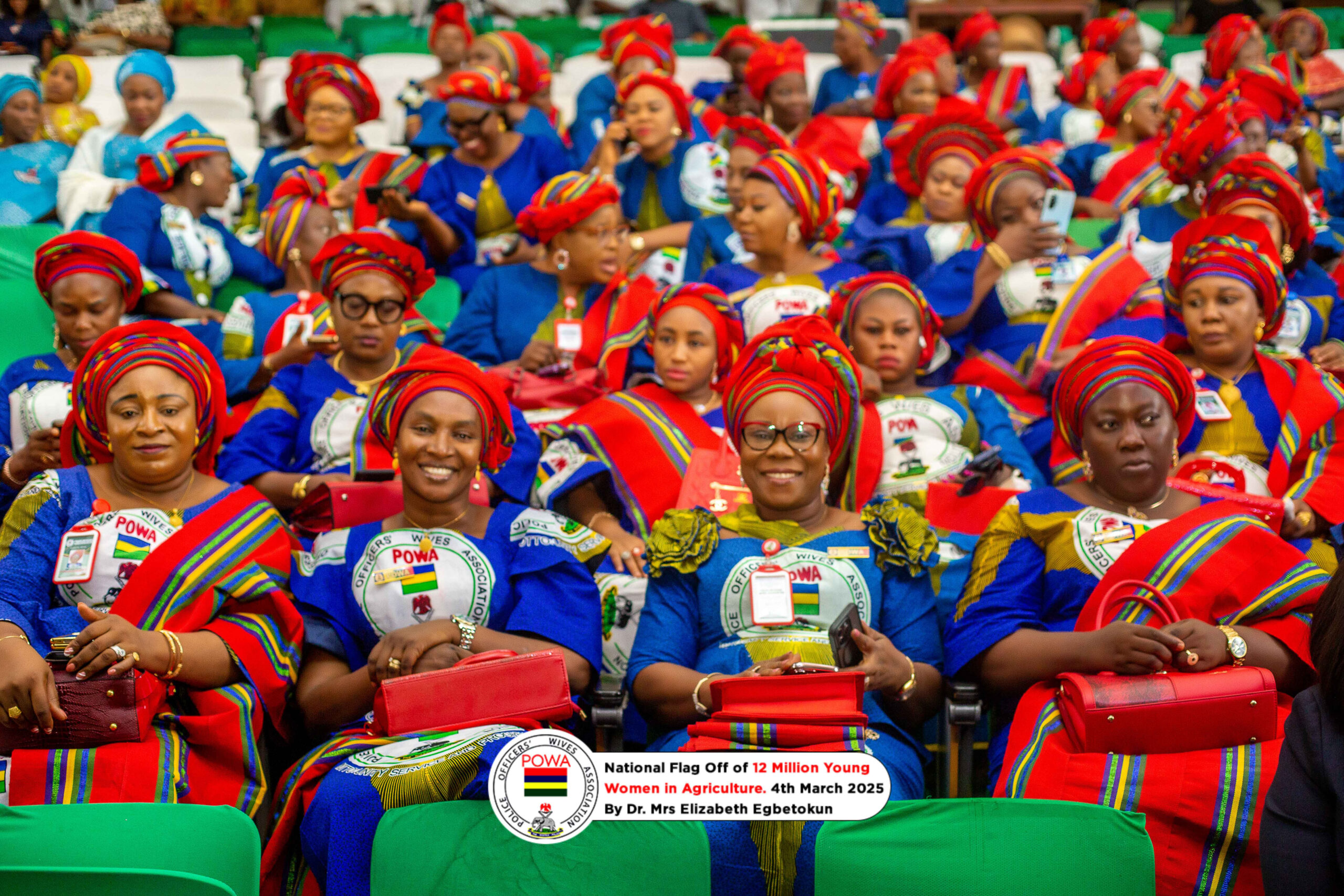
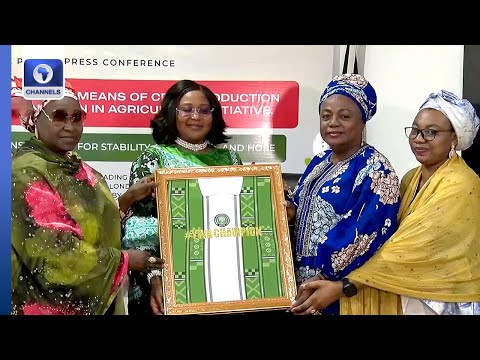
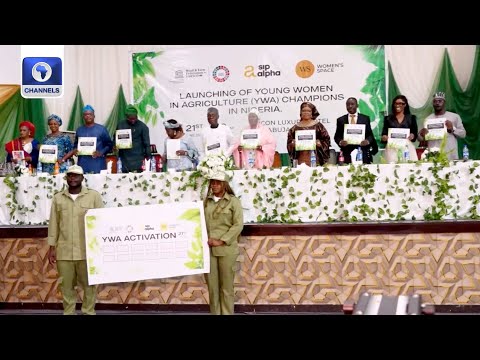
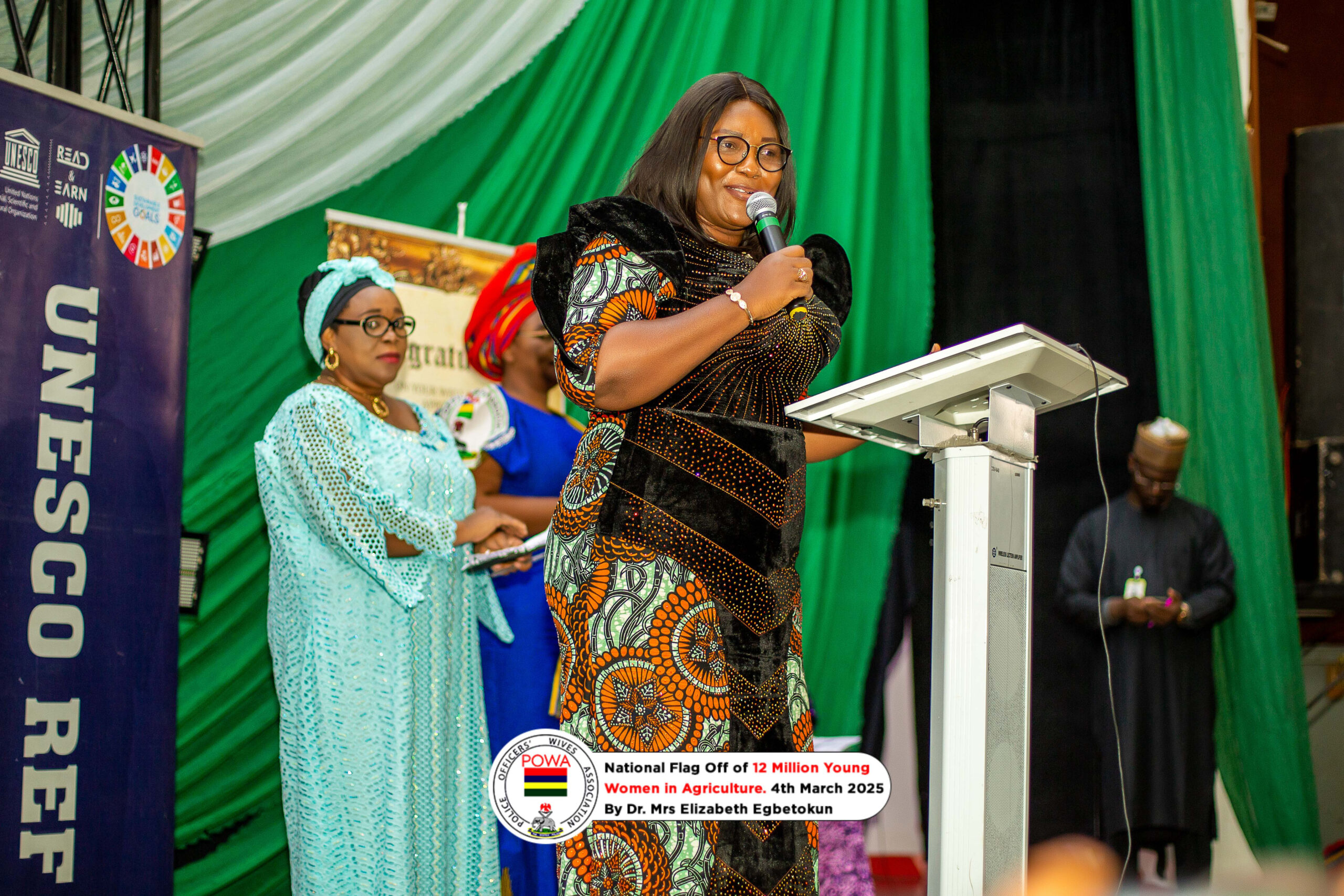
Speaking as a long-standing advocate for women’s empowerment at the UNESCO REF & POWA national flag-off of the 12 Million Young Women in Agriculture Mobilisation Campaign, Prof. Hafsat Ganduje underscored the grassroots importance of the campaign, framing it not merely as an agricultural programme but as a covenant of dignity, opportunity, and security for families across the Federation.
“The mobilisation of 12 million young women into agriculture is not just about food production, it is about dignity, opportunity, and security for families across Nigeria. When women are empowered with knowledge and resources, entire communities rise out of poverty.
This campaign is a clarion call for every state, every local government, and every household to support women as the backbone of our nation’s food system.”
Empowerment That Begins in the Household
Prof. Ganduje’s intervention placed the household at the centre of the national food-security conversation. Her argument is that when a young woman gains the skills, inputs, and market access to run a productive agricultural enterprise, the benefits radiate outward, to her children’s nutrition and education, to the resilience of her community, and ultimately to the stability of the nation. Empowerment, in this framing, is not charity extended to women; it is strategic investment in the most efficient multiplier of household and community wellbeing.
She drew a direct line between economic opportunity for women and broader social outcomes, noting that families anchored by financially secure women are more likely to keep children in school, invest in health, and withstand economic shocks. In this sense, the UNESCO REF Young Women in Agriculture programme, with its structured training in hydroponics and agro-kenaf enterprise, guaranteed income cycles, and value-chain linkages, functions as both an agricultural intervention and a social-stability instrument.
A Call to Every State, LGA, and Household
The heart of Prof. Ganduje’s address was a national call to shared responsibility. The scale of the ambition, 12 million young women mobilised across all 774 Local Government Areas, cannot, she argued, be delivered by any single institution. It requires state governments to integrate the programme into their agricultural and women-affairs strategies, local governments to identify and convene participants at the community level, and households to give their daughters, wives, and sisters the encouragement and space to participate.
States
Integrate YWA into agricultural and women-empowerment strategies and allocate enabling resources.
Local Governments
Mobilise and convene young women at the grassroots, ensuring no community is left behind.
Households
Support and encourage women to take their place at the centre of the nation’s food system.
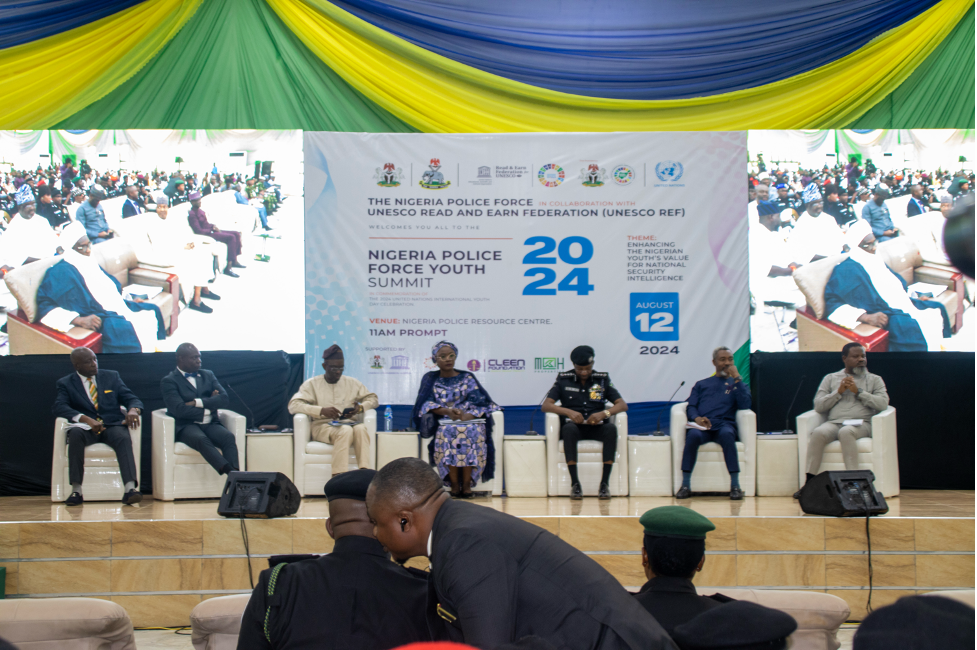
Her remarks resonated with the broader chorus of national and global leaders at the flag-off, from the UN Deputy Secretary-General’s charge that women’s empowerment is strategy rather than charity, to the Inspector-General of Police’s framing of food security as national security. Prof. Ganduje’s contribution grounded those high-level commitments in the everyday reality of the Nigerian home, reminding the gathering that national transformation is ultimately the sum of millions of empowered households.
Strategic Alignment
The advocacy directly supports SDG 1 (No Poverty), SDG 2 (Zero Hunger), and SDG 5 (Gender Equality), reinforcing the UNESCO REF SIP-Alpha framework’s emphasis on women-led, community-anchored development as the engine of Nigeria’s food sovereignty and the 2030 Agenda.
SUPPORT THE 12 MILLION
Every household, every community, every state has a role to play in Nigeria’s food future.
Know More About YWA →UNESCO REF Media Centre
Email:
[email protected] • Telephone: +234 807 527 3789 • Abuja, Federal Republic of Nigeria
Ref: UNESCO-REF/MEDIA/2026/YWA-GANDUJE-01 • Issued by UNESCO REF Media Centre • Abuja, Nigeria