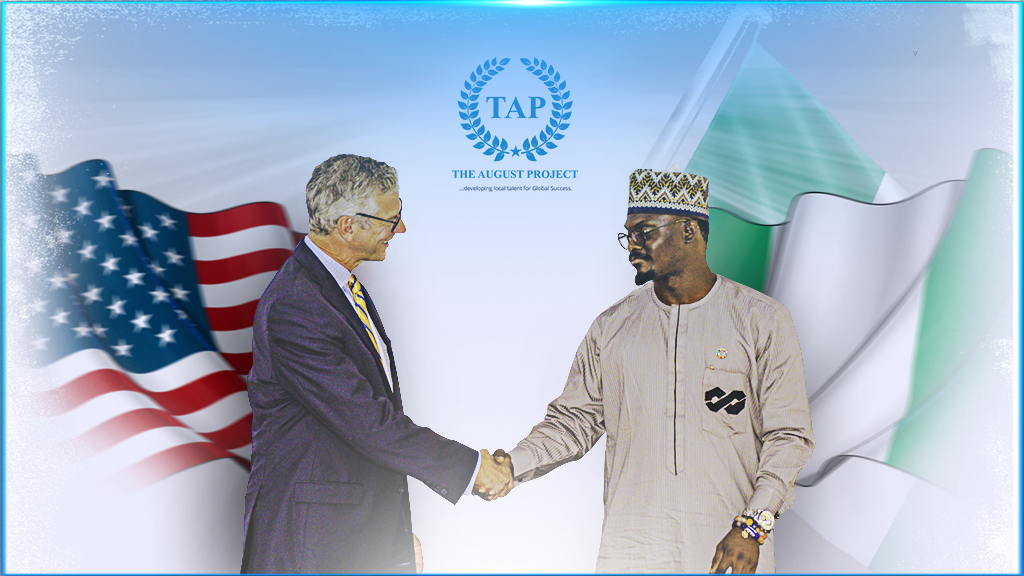
SDGs Global Mission Scheme SGMS, Nigeria Pilot
Overview
SDGs Global Mission Scheme (SGMS) is a three‑year, USD 100 million pilot in Nigeria, led by Sonic Foundry Inc. in partnership with GLX university partners in Australia, the United Kingdom, and the United States. SGMS mobilizes technology, scholarship capital, and public‑private partnerships to expand equitable access to higher education, strengthen youth employability, and build resilient educational infrastructure aligned with the United Nations Sustainable Development Goals. The program is designed to be replicable across emerging economies and to attract multilateral and private sector collaboration.
Objectives and Expected Impact
Primary Objectives
– Expand academic access: Fund Bachelor’s, Master’s, and recognized professional certifications for eligible Nigerian youth through accredited GLX university partners.
– Deploy GLX Hubs: Establish Sonic Foundry GLX Hub facilities offering study spaces, digital access, academic advising, mental health services, and career planning.
– Prioritize girl child education: Direct a larger share of resources to out‑of‑school girls and recent high school graduates to reduce barriers such as early marriage and exploitation.
– Boost employability: Emphasize retention, skills alignment with labor market needs, internships, and international job placement opportunities for top graduates.
Expected Impact
– Contribute to SDG 4, SDG 8, SDG 9, and SDG 17,
– Create measurable human capital gains through increased tertiary enrollment, higher graduation rates, and improved job placement outcomes.
– Deliver a scalable model for public‑private collaboration that can be adapted to other countries.
Program Design and Funding Allocation
Mission Funding: USD 100,000,000 over three years for the Nigeria pilot.
Delivery Model: Scholarships awarded on merit and need; GLX Hubs operated via public‑private partnerships with national ministries, UNESCO REF, the Nigerian Police Force Education Unit, local universities, and employer networks. Performance‑based disbursements and phased rollouts will manage risk and ensure accountability.
Funding Allocation and Program Design
The USD 100 million investment for the Nigeria pilot will be strategically deployed across six priority areas to maximize impact and sustainability:
• Scholarships and Tuition (USD 40 million): Direct financial support for Bachelor’s, Master’s, and professional certification programs through GLX university partners in Australia, the UK, and the USA.
• GLX Hub Capital and Technology (USD 25 million): Establishment of modern learning hubs equipped with advanced audio-visual systems, connectivity, and digital infrastructure to support hybrid learning.
• Operations and Staffing (USD 15 million): Recruitment and training of academic advisors, counsellors, and administrative staff to ensure high‑quality student support services.
• Employability and Placement (USD 10 million): Career services, internship programs, and employer partnerships designed to align graduates with labour market needs and international opportunities.
• Monitoring, Evaluation, and Research (USD 5 million): Independent impact measurement, quarterly reporting, and transparent assessments to ensure accountability and continuous improvement.
• Contingency and Partnerships (USD 5 million): Reserved funds to manage unforeseen risks, strengthen local partnerships, and ensure program resilience.
Governance Safeguards and Partnerships
Governance Structure
– International Steering Committee: Sonic Foundry, GLX university representatives, UNESCO REF, Nigerian government officials, civil society, and independent auditors.
– National Program Office: Responsible for hub rollout, scholarship administration, partner management, and day‑to‑day operations.
Safeguards
– Child protection and gender‑sensitive policies.
– Grievance redress mechanisms and data protection standards.
– Independent midline and endline evaluations and public annual reporting.
Partnerships
– Academic partners: GLX university network in Australia, the UK, and the USA.
– Implementation partners: UNESCO REF, local universities, and private sector employers.
Impact Framework and Key Performance Indicators
Primary KPIs
– Enrollment: Number of scholarship recipients.
– Graduation Rate: Completion rate for degree programs.
– Employment: Placement in formal employment or internships within 12 months of graduation.
– Gender Focus: Share of resources and enrollments for girls and young women.
– Hub Utilization: Attendance and service uptake metrics.
Three Year Targets
– Enrollments: 10,000.
– Graduation Rate: ≥70% for degree programs.
– Employment: ≥60% placed in formal employment or internships within 12 months.
– Gender Allocation: ≥55% of scholarship resources directed to girls and young women.
Measurement Approach
Quarterly dashboards, independent evaluations, alignment with SDG indicators, and transparent public reporting.
Call to Action and Contact
Join the Partnership, SGMS invites UN agencies, bilateral donors, philanthropic foundations, academic institutions, and private sector employers to co‑finance, co‑design, and scale this model. Stakeholders are invited to contribute funding, technical expertise, internship and employment pathways, and local implementation capacity.