Read and Earn Federation for UNESCO About the Institution

A Multidimensional and Multisectoral Development Institution

Une institution de développement multidimensionnelle et multisectorielle

Established in 2009 within the provisions of UNESCO, as authorised by the 13th Session of the General Conference, Paris, 1964, and constituted through the National Commission for UNESCO, Nigeria, UNESCO REF advances the United Nations Global Goals across education, science, culture and human resource development, from the community to the continent.

2009Year established
196413th General Conference
11Technical departments
15SIP-ALPHA pillars
17SDGs addressed
54Nations invited to subscribe, 2027

BriefFor the first-time visitor

UNESCO REF in one minute

L’UNESCO REF en une minute

01

Who we are

An autonomous development institution constituted within the provisions of UNESCO, seated in Abuja and working across the Federal Republic of Nigeria.

02

What we do

We turn the frameworks of the United Nations and UNESCO into national programmes in education, science, culture, enterprise and human resource development, led by our flagship, SIP-ALPHA.

03

Why it matters

We hold that reading and learning are not merely acts of study but foundations on which a life and a livelihood are built: knowledge that earns, and citizens who contribute.

04

Where we are going

Through NEPAD_EY, our continental platform, the VOICE Initiative and The August Project open to the nations of Africa from 2027, funded through the Educational Financial Facility Scheme.

Article IInstitutional identity

An institution constituted within the provisions of UNESCO

Une institution constituée dans le cadre des dispositions de l’UNESCO

The Read and Earn Federation for UNESCO (UNESCO REF) is a multidimensional and multisectoral development institution, established in 2009 within the provisions of UNESCO, as authorised by the 13th Session of the UNESCO General Conference, Paris, 1964, and constituted through the National Commission for UNESCO, Nigeria, and its institutional standing derives from the international normative framework of the United Nations Educational, Scientific and Cultural Organization.

Its mandate spans education, science, culture and human resource development. It is carried at national scale through eleven technical departments, each led by a Director reporting to the Presidency, and through a structured federation of schools, community networks and State representatives across the Federation.

UNESCO REF exercises full legal and financial autonomy. This independence is constitutive rather than incidental: it secures integrity of purpose, consistency of strategy and the long-term continuity required to act credibly where international mandate meets national delivery. From its establishment the institution advanced the Millennium Development Goals; since 2015 it has advanced the Sustainable Development Goals, without interruption of purpose.

UNESCO REF operates within the framework of UNESCO, constituted through the National Commission for UNESCO, Nigeria. Its publications represent the position of UNESCO REF alone, and not that of any sister agency or parental body. The full statement is set out in the Institutional Disclaimer.

The chain of authority La chaîne d’autorité
  1. 1945Constitution of UNESCO adopted in London, 16 November 1945
  2. 196413th Session of the UNESCO General Conference, Paris: the normative authority vested in National Commissions to constitute institutions within the framework of UNESCO
  3. NatComNational Commission for UNESCO, Nigeria: the body through which UNESCO REF was constituted
  4. 2009UNESCO REF established in Abuja to advance the Millennium Development Goals at national scale
  5. 2015Mandate realigned to the 2030 Agenda and its seventeen Sustainable Development Goals
  6. 2022SIP-ALPHA established: fifteen integrated pillars across all seventeen Goals
  7. 2027NEPAD_EY opens UNESCO REF programmes to the nations of Africa

UNESCO REF is

  • An autonomous multidimensional and multisectoral development institution
  • Constituted within the provisions of UNESCO, through the National Commission for UNESCO, Nigeria
  • Aligned by design with the 2030 Agenda and the African Union’s Agenda 2063
  • A convener of systems across government, multilateral, academic and private partners

UNESCO REF is not

  • A non-governmental organisation
  • A civil society body
  • A corporate or commercial entity
  • A department of any government

Article IIVision, mission and goals

The standing orders of the institution

Vision, mission et objectifs

01Vision

A world in which reading is not merely an academic exercise but a recognised and rewarding career pathway, one that generates knowledge, drives economic participation, and positions every citizen as an active contributor to the United Nations Global Goals.

02Mission

To advance the mandate of the United Nations and UNESCO through rigorous, inclusive, globally relevant programmes, including our flagship programme, SIP-ALPHA, cultivating the competencies of citizens across education, science, culture and human resource development, in full alignment with the United Nations Global Goals.

03Short-term goal

To make reading a career, giving people everywhere the real opportunity to earn a living through reading, writing, knowledge sharing and learning, where picking up a book is not merely an act of education but the beginning of a livelihood and a contribution to national development.

04Long-term goal

A future where any person, regardless of origin, income or language, can build a life through reading and knowledge. Learning is not merely something one does in school. It is something one does for a living, contributing in the process to a better world for everyone.

Not just an act of studying, but something you build a life with.

UNESCO REF · Core institutional conviction · Since 2009

Principles of the Presidency

BraveryCourage
LoyaltyLoyauté
TruthVérité

Article IIIChronology

Two development agendas, one continuous purpose

Deux agendas de développement, un même dessein

An institution that carries its mandate intact across two generations of United Nations development agendas shows something no single programme evaluation can show: that it exists for a purpose rather than for a project. The record below sets out that continuity.

Scroll or drag the record, 2000 to 2030
  1. 2000

    Millennium Declaration

    189 Member States adopt the Declaration in New York; eight Millennium Development Goals follow.

  2. 2009

    UNESCO REF established

    Constituted in Abuja through the National Commission for UNESCO to advance the MDGs at national scale.

  3. 2015

    The 2030 Agenda

    Resolution 70/1 adopts 17 Goals and 169 targets; the African Union adopts Agenda 2063.

  4. 2015

    Mandate realigned

    UNESCO REF carries its purpose from the MDGs to the SDGs without structural disruption.

  5. 2019

    The August Project

    The memorandum of understanding for the programme is concluded in Abuja.

  6. 2022

    SIP-ALPHA

    The flagship is established: fifteen integrated pillars aligned with all seventeen Goals and Agenda 2063.

  7. 2023

    Young Women in Agriculture

    Launch of the national initiative to engage 12 million young women in agriculture.

  8. 2024

    Police Youths Summit

    The first UNESCO REF Nigeria Police Youths Summit, Abuja, 12 August 2024, International Youth Day.

  9. 2025

    National mobilisation

    Flag-off of the YWA mobilisation campaign on 4 March 2025, and the hydroponics training pilot.

  10. 2026

    EFFS commissioned

    The Educational Financial Facility Scheme is commissioned on 18 February 2026; the Institutional Papers are published.

  11. 2027

    Continental opening

    Through NEPAD_EY, the VOICE Initiative and The August Project open to the nations of Africa.

  12. 2030

    The SDG horizon

    The end date of the 2030 Agenda, and the threshold of the agenda that will follow it.

UNESCO REF United Nations and African Union Forthcoming

Article IVThe global mandate

From the Millennium to the Sustainable

Du Millénaire au Durable

On 8 September 2000, 189 Member States of the United Nations adopted the Millennium Declaration, from which eight time-bound Goals were derived for reducing extreme poverty, advancing education, promoting gender equality and improving health by 2015. Every UNESCO REF programme between 2009 and 2015 was designed and evaluated against that framework.

On 25 September 2015, all 193 Member States adopted Resolution 70/1, “Transforming Our World: the 2030 Agenda for Sustainable Development”, establishing 17 Goals and 169 targets. The new agenda is universal, integrated and indivisible, and it places the burden of integration on national institutions. UNESCO REF answered with SIP-ALPHA: fifteen interconnected pillars designed to address all seventeen Goals across the States of the Federation.

Sources: United Nations General Assembly Resolutions 55/2 (2000) and 70/1 (2015); The Millennium Development Goals Report 2015.

What the Millennium agenda achieved Selected outcomes, United Nations, 2015

People in extreme poverty1.9 bn → 836 m

1990 against 2015

Primary net enrolment, developing regions83% → 91%

2000 against 2015

Out-of-school children of primary age100 m → 57 m

2000 against 2015
The two agendas compared
MDGs 2000 to 2015SDGs 2015 to 2030
Scope8 goals, 21 targets17 goals, 169 targets
ReachDeveloping countriesUniversal
LogicSectoral targetsIntegrated and indivisible
EducationPrimary enrolmentQuality and lifelong learning
PrincipleAverage progressLeave no one behind

All seventeen Sustainable Development Goals

Les dix-sept objectifs de développement durable

Highlighted Goals are those on which UNESCO REF programmes are principally concentrated. SIP-ALPHA addresses all seventeen.

African Union · Agenda 2063

The Africa We Want

L’Afrique que nous voulons

Adopted by the African Union in 2015, Agenda 2063 sets out the continent’s long-range vision through seven aspirations. Its emphasis on human capital, on women and on youth aligns closely with the first transformation of the 2030 Agenda, and with the concentration of UNESCO REF’s programmes.

  1. 1A prosperous Africa based on inclusive growth and sustainable development
  2. 2An integrated continent, politically united
  3. 3An Africa of good governance, democracy, human rights, justice and the rule of law
  4. 4A peaceful and secure Africa
  5. 5An Africa with a strong cultural identity, common heritage, values and ethics
  6. 6People-driven development, relying on the potential of women and youth
  7. 7Africa as a strong, united, resilient and influential global player and partner
United Nations · The Millennium Development Goals
United Nations · The Sustainable Development Goals

Article VThe case in figures

Why an institution of this kind is needed now

Pourquoi une telle institution est nécessaire aujourd’hui

232.7m

People in Nigeria, 2024

UN World Population Prospects 2024
1.5bn

Africans in 2024, about 2.5 billion by 2050

UN World Population Prospects 2024
19

Median age in Africa, in years, against about 31 worldwide

UN World Population Prospects 2024
28%

Of the world’s under-25s who live in Africa, 2026

UN World Population Prospects 2024
89%

Learning poverty in Sub-Saharan Africa

World Bank and partners, 2022
3 in 4

Young people in Sub-Saharan Africa without secure work

ILO, Global Employment Trends for Youth 2024
12.4%

Income gain from each additional year of schooling, 14.5% for women

World Bank, Africa’s Pulse, October 2024
17%

Of assessed SDG targets on track worldwide

UN, The Sustainable Development Goals Report 2024

The arithmetic of the youth labour market

L’arithmétique du marché du travail des jeunes

Each year between ten and twelve million young Africans enter the labour market, while about three million formal jobs are created. The difference is not a shortage of talent. It is a shortage of pathways from learning to livelihood, which is precisely the gap UNESCO REF was founded to close.

Sources: African Development Bank; World Bank.

Young Africans entering the labour market each year
10 to 12 million
Formal jobs created each year
About 3 million
Jobs in Sub-Saharan Africa requiring digital skills by 2030
230 million
IFC, 2019

Article VIInstitutional architecture

One Presidency, eleven departments, a federation across the nation

Une présidence, onze départements, une fédération nationale

The PresidencyPresident, UNESCO REF
OversightNon-Executive Directors

Eleven technical departments, each led by a Director reporting to the Presidency

  1. 01Formal and non-formal education
  2. 02Science and innovation
  3. 03Culture and heritage
  4. 04Digital technology
  5. 05Agricultural enterprise
  6. 06Youth development
  7. 07Gender and equity
  8. 08Health
  9. 09Peace and security
  10. 10Environmental governance
  11. 11International partnership
SchoolsLearning institutions in the federation
Community networksGround-level delivery and evidence
State representativesLiaison across the Federation

Each department carries its own programme architecture, implementation partnerships and accountability framework, structured to deliver against specific SDG targets and Agenda 2063 milestones. Oversight rests with Non-Executive Directors; direction rests with the Presidency.

The eleven networks in full

Article VIIProgramme portfolio

The instruments through which the mandate is delivered

Les instruments du mandat

Flagship · Est. 2022

SIP-ALPHA

Le programme phare

Fifteen integrated pillars designed to advance all seventeen Goals across the Federation, with outcomes reportable against national and United Nations frameworks. Where every UNESCO REF programme originates.

Pillars
15
SDGs
17
Agenda 2063
7 of 7
Visit SIP-ALPHA

Continental platform

NEPAD_EY

New Partnership Development for Education and Youths: the platform of synchronisation through which UNESCO REF programmes open to the nations of Africa from 2027.

Open to
54 nations
Opens
2027
Visit NEPAD_EY

Special initiative · SDG 10

The VOICE Initiative

AI innovation and digital enterprise, structured for reduced inequalities and the inclusion of persons with disabilities in the digital economy.

Focus
AI and enterprise
Africa
2027
Visit the VOICE Initiative

Special initiative · SDG 4, 8

The August Project

A dual-country youth capacity programme operating in Nigeria and the United Kingdom, advancing quality education and decent work through structured competency development.

Countries
Nigeria, UK
Africa
2027
Visit TAP

Special initiative · SDG 2, 5, 8

Young Women in Agriculture

The national initiative to engage twelve million young women in agriculture, joining food security to gender equality and enterprise.

Target
12 million
Horizon
2023 to 2030
Visit YWA

Financing instrument · SDG 4

Educational Financial Facility Scheme

The mechanism through which UNESCO REF mobilises sponsors and negotiates scholarships, including an 86 per cent tuition scholarship for online study, in complement to the Federal Government’s NELFUND.

Commissioned
18 Feb 2026
Beneficiaries
6,850+
Visit EFFS

The portfolio above is presented among other programmes of UNESCO REF.

Durbar Festival, Ilorin, Kwara State Photo: Fortsolace, CC BY-SA 4.0

Article VIIICulture and heritage

Nigeria’s living heritage, documented and shared

Le patrimoine vivant du Nigeria, documenté et partagé

Culture is one of the pillars of UNESCO’s mandate and of ours. UNESCO REF keeps two open scholarly collections that hold the knowledge of elders, custodians and ancestors in living conversation with the young people who must carry it forward.

Article IXCooperation

A convener of systems, not of events

Travailler ensemble pour un objectif commun

Sustainable Development Goal 17: Partnerships for the Goals

Goal 17Partnerships for the Goals: the means of implementation for the other sixteen.

International development is an ecosystem of complementary mandates, layered resources and coordinated capacities, in which the effectiveness of any one actor depends on the coherence of the whole. UNESCO REF was constituted to work within that ecosystem: aligning interests, mobilising complementary capacities and coordinating action across sectors, levels of government and national boundaries, toward objectives no single institution could reach alone.

Constituencies of cooperation

  • Sovereign governmentsFederal, State and local authorities, and the governments of African nations through NEPAD_EY
  • Intergovernmental organisationsThe United Nations system and the African Union
  • Development partnersBilateral partners and multilateral finance institutions
  • Academic institutionsUniversities, professional bodies and research centres
  • The private sectorInvestors, employers and corporate social responsibility
  • Civil societyCommunity, faith, youth and women’s organisations

Strategic Advisory and Global Diplomatic Implementation Partner

The Lichfield Partners and Associates

Chartered by UNESCO REF as the Strategic Advisory and Global Diplomatic Implementation Partner of SIP-ALPHA, The Lichfield leads the programme’s implementation through strategic advice and international diplomacy, engaging government bodies, multilateral organisations and development partners in the shared service of the United Nations Global Goals.

Article XThe institutional framework

The offices within which UNESCO REF acts

Le cadre institutionnel

UNESCO REF acts within an institutional framework that runs from the General Conference of UNESCO in Paris, through Nigeria’s Permanent Delegation and its National Commission for UNESCO, to Abuja. The holders of these offices are presented in their official capacities; the direction of UNESCO REF rests with its President.

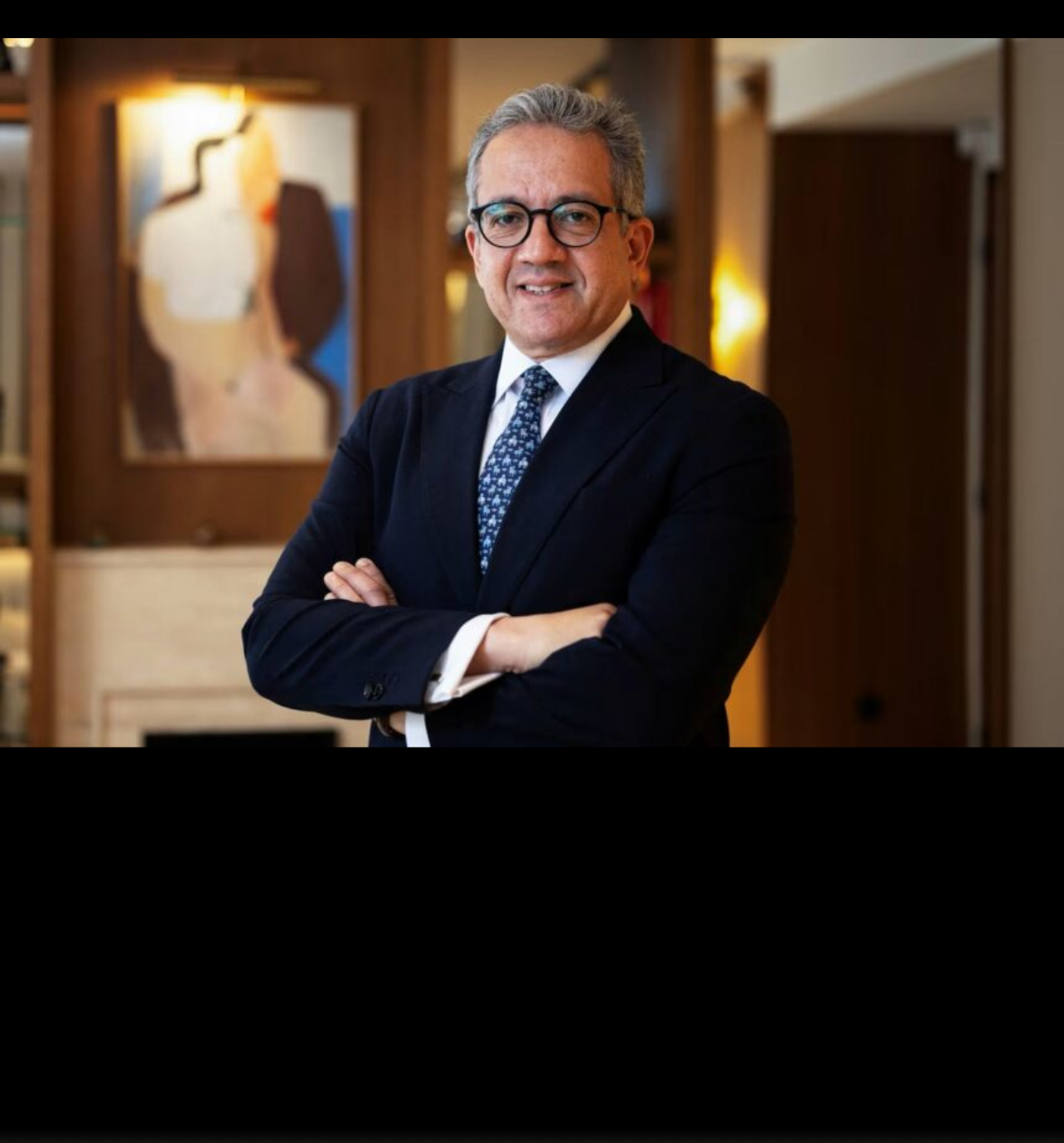
Prof. Khaled El-Enany, Director-General of UNESCO

Director-General, UNESCO

Prof. Khaled El-Enany

Elected November 2025

An Egyptologist and Professor of Egyptology at Helwan University, Prof. El-Enany served as Egypt’s Minister of Antiquities and then Minister of Tourism and Antiquities from 2016 to 2022. Elected by the 43rd General Conference with 172 of 174 votes, he is the first Director-General from an Arab country and the second from Africa.

Full biography
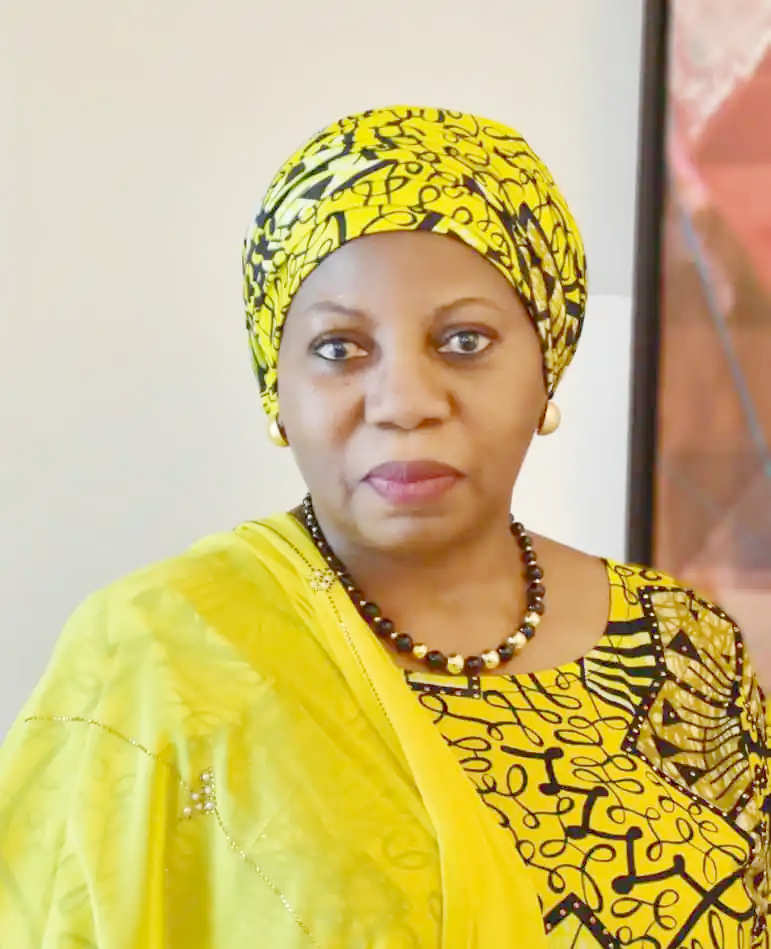
H.E. Dr. Hajo Sani, OON

Ambassador and Permanent Delegate

H.E. Dr. Hajo Sani, OON

Permanent Delegate of Nigeria to UNESCO, Paris

A former school principal, Minister of Women Affairs and Social Development and Senior Special Assistant to the President on Women Affairs, Dr. Sani was appointed Nigeria’s Permanent Delegate to UNESCO in 2021. In April 2026 she presided, for Nigeria as Chair, over the Programme and External Relations Commission of the UNESCO Executive Board.

Full biography
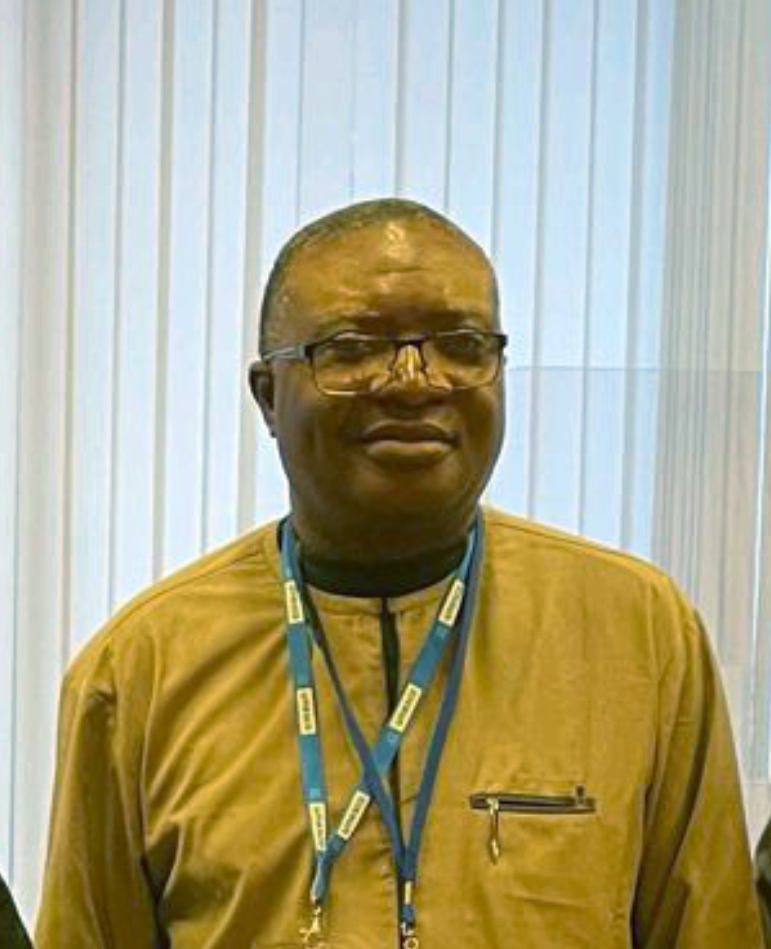
Dr. Lateef Idowu Olagunju

Secretary General

Dr. Lateef Idowu Olagunju

National Commission for UNESCO, Nigeria

Dr. Olagunju leads the apex governmental body that coordinates Nigeria’s obligations and commitments within UNESCO. The National Commission is the primary interface between the Federal Government and the Organization, and the body through which UNESCO REF was constituted.

Full biography
Prince Abdulsalami Ladigbolu-Oranmiyan, President, UNESCO REF

President, UNESCO REF

Prince Abdulsalami Ladigbolu-Oranmiyan

UK-LS.FABE · Sonic Foundry Legacy Award

A scientist, statesman and Long Standing Fellow of the UK Association of Business Executives, Prince Abdulsalami Ladigbolu-Oranmiyan directs UNESCO REF and its flagship, SIP-ALPHA. A recipient of the Sonic Foundry Legacy Award of the United States, he anchors his leadership in three principles: Bravery, Loyalty and Truth.

Full biography

How to read this line. The Director-General, the Permanent Delegate and the Secretary General are presented in their official capacities, as holders of the offices through which UNESCO REF’s mandate is constituted and within which it acts. Their inclusion describes the institutional framework of UNESCO REF; the direction of the institution itself rests with its President.

The full leadership page

Institutional notice

The Institutional Disclaimer

L’avis institutionnel

UNESCO REF operates within the framework of UNESCO, constituted through the National Commission for UNESCO, Nigeria. Its publications, statements and programmes represent the position of UNESCO REF alone, and not that of any sister agency or parental body. Every reader, partner and delegation is respectfully invited to read the full notice before citing this institution.

Read the Institutional Disclaimer

QuestionsFrequently asked

Questions from readers and delegations

Questions fréquentes

Is UNESCO REF an NGO or a government body?

Neither. UNESCO REF is an autonomous multidimensional and multisectoral development institution constituted within the provisions of UNESCO, through the National Commission for UNESCO, Nigeria, as authorised by the 13th Session of the UNESCO General Conference, Paris, 1964. It operates with full legal and financial autonomy.

When was UNESCO REF established, and under what authority?

UNESCO REF was established in 2009 in Abuja, constituted through the National Commission for UNESCO, Nigeria, within the provisions of UNESCO, under the normative authority vested in National Commissions by the 13th Session of the UNESCO General Conference, Paris, 1964.

How does UNESCO REF relate to UNESCO?

UNESCO REF operates within the framework of UNESCO, constituted through the National Commission for UNESCO, Nigeria. Its publications represent the position of UNESCO REF alone, and not that of any sister agency or parental body. The full statement is in the Institutional Disclaimer.

What are UNESCO REF’s main programmes?

The flagship is SIP-ALPHA, fifteen integrated pillars aligned with all seventeen SDGs and Agenda 2063. The portfolio also includes NEPAD_EY, the VOICE Initiative, The August Project, Young Women in Agriculture and the Educational Financial Facility Scheme, among other programmes.

How does UNESCO REF relate to the Sustainable Development Goals?

UNESCO REF was constituted to advance the Millennium Development Goals (2000 to 2015) and, since 2015, the Sustainable Development Goals (2015 to 2030). SIP-ALPHA is designed to address all seventeen Goals through fifteen integrated pillars, with outcomes reportable against national and United Nations frameworks.

Where does UNESCO REF work?

UNESCO REF is seated in Abuja and works across the Federal Republic of Nigeria. Through NEPAD_EY its programmes open to the nations of Africa from 2027, and The August Project operates in Nigeria and the United Kingdom.

How may a government, institution or partner engage UNESCO REF?

Governments, multilateral and bilateral partners, academic institutions and the private sector may write to the Presidency at [email protected], or consult the Institutional Partnerships page.

UNESCO REF

Where the mandate of the United Nations meets ground-level development action.

Là où le mandat des Nations Unies rencontre l’action de développement sur le terrain