Flavours and Voices: African Food, Culture and Culinary Heritage | UNESCO REF Media Centre
The Kitchen is the Archive

“Where Civilisation
Began at the Stove”

UNESCO REF Flavours and Voices Editorial

Long before Nigeria had borders, its people had kitchens. In those kitchens, in clay pots set over firewood flames, in the patient reduction of palm nut cream, a culinary civilisation was being built that would eventually feed 220 million people and inspire the diasporas of three continents. This archive is a diplomatic tribute to that civilisation. It is designed to attract international visitors, foreign delegates, global embassies, and tourism boards to the extraordinary table that Nigeria and Africa set. Every recipe here is a conversation between the past and the future. Every chef profile is a record of living heritage. Every restaurant listing is an invitation to understand Africa through its most honest and intimate art form: the act of cooking and sharing food.

250+
Ethnic Culinary Traditions
6
Geopolitical Zones
1000+
Years of Food Heritage

Flavours and Voices is the living culinary archive of the UNESCO REF Media Centre. A food museum for diplomats, travellers, and the world. Nigeria first. Africa always.

All entries
Featured Recipe • The Archive
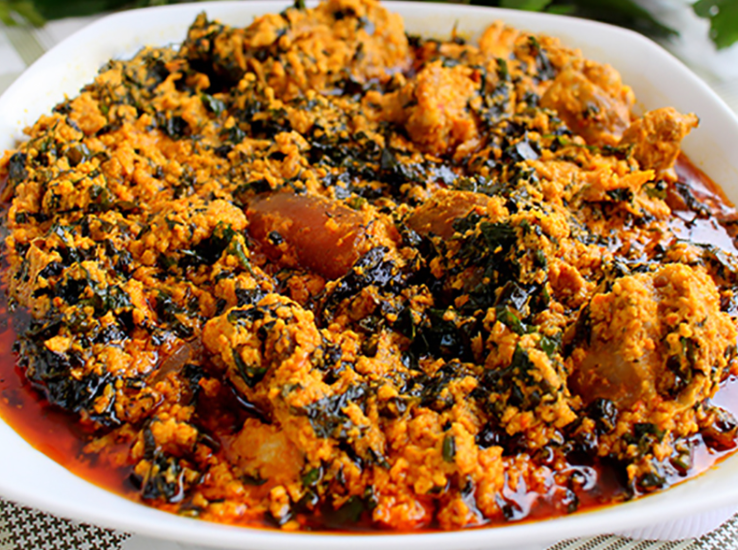
Egusi Soup: The Royal Bowl of the Yoruba Table. UNESCO REF Flavours and Voices Archive.
Nigerian Classic South-West Nigeria • Yoruba UMC Culinary Archive

Egusi Soup: The Royal Bowl of the Yoruba Table, with Stockfish, Assorted Meat and the Ancient Iya Oloja Palm Oil Method

Perhaps no dish better represents the depth, complexity and communal generosity of Nigerian cuisine than egusi soup cooked with intention. This is not fast food. This is civilisation in a bowl.

By The UNESCO REF Culinary Desk · Traditional Recipe Documentation
Serves 6-890 min
View Full Recipe

Every Nigerian dish is a story. The egusi tells of the Yoruba harvest. The banga tells of the Delta creeks. The tuwon tells of the Northern court. To eat across Nigeria is to read the most extraordinary book ever written without words.

UNESCO REF • Flavours and Voices • UMC Media Centre

Recipe Archive • Nigeria and Africa
SoupEdo and Igbo

Ofe Akwu: Bini Palm Nut Soup with Oxtail and Periwinkle

The slow-cooked pride of the Edo table, rich with freshly cracked palm nuts and the briny depth of periwinkle.

75 minServes 6
Recipe
02
GrainsHausa-Fulani

Tuwon Shinkafa with Miyan Kuka

Smooth rice flour swallow paired with the distinctive baobab leaf soup, the defining flavour of Hausa culinary culture.

50 minServes 4
Recipe
03
Street FoodNational

Suya: The Fire, the Spice, and the Nigerian Night

Thin-sliced beef marinated in groundnut paste and yaji spice, grilled over open coals to smoky perfection.

45 minServes 4
Recipe
04
SeafoodIjaw and Delta

Banga Soup with Catfish: The Delta Kitchen

From the creeks of the Niger Delta, intensely aromatic palm nut soup perfumed with atama leaves.

80 minServes 6
Recipe
05
StewGhana

Ghanaian Light Soup with Whole Chicken

A fragrant, tomato-forward broth that is the very soul of Ghanaian home cooking. Light in body, deep in flavour.

65 minServes 4
Recipe
06
RiceNational

Jollof Rice, the Correct Way

Nigeria's contribution to the world food stage. Smoky, deeply seasoned, with a perfectly separated grain no other cuisine replicates.

55 minServes 8
Recipe
07
V
Voices • July 2026
Flavours and Voices: The Monthly Interview
This Month • Guest Cook or Chef
Your Guest
Voice Here
Name • Specialty • Region
Nigeria • Heritage Cuisine Tradition
Heritage Recipe Intergenerational UNESCO Culture Food Identity Living Heritage
This Month's Featured Dish
Recipe Name to Be Added
Region • Traditional Heritage

Every recipe I cook is a conversation with my grandmother. The spices she taught me to grind, the patience she taught me to keep, the stories she told me while the soup simmered. That is what I pass on. Not just food. Memory itself.
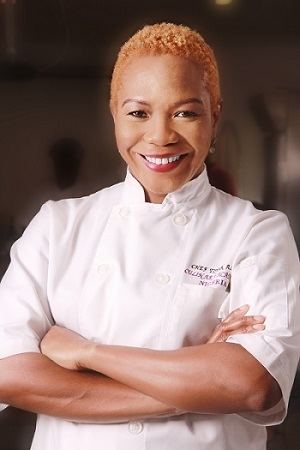
UNESCO and the Preservation of Culinary Heritage. UNESCO recognises traditional food knowledge as a form of living cultural heritage, comparable to music, oral traditions, and ceremonial practices. The Flavours and Voices monthly interview series connects the recipes of Nigerian and African grandmothers to the next generation, documenting the flavours, techniques and stories that define a civilisation. Each guest chef brings a recipe, a memory, and a pledge to pass it forward. This is intergenerational heritage preservation in action.
Placeholder, replaced monthly with a real featured voice. Nominations: [email protected] Next: August 2026 • Hausa-Fulani Heritage Kitchen
The Voices All Profiles
Tiyan Alile
Tiyan Alile
Founder, Nigeria's First Culinary School
Lagos, Nigeria

Established Culinary Academy, the first culinary school in Nigeria. World Luxury Restaurant Award winner. President of the Culinary Arts Practitioners Association of Nigeria.

“African cuisine is one of the most sophisticated food traditions in the world. We are only now beginning to document it properly.”

Hilda Baci
Hilda Baci
Guinness World Record, 93 Hours 11 Minutes
Akwa Ibom and Lagos, Nigeria

Cooked non-stop for 93 hours and 11 minutes, breaking the world record and placing Nigerian cuisine on the front page of global media. Founder, My Food by Hilda.

“I cooked for 93 hours because I wanted the world to see that Nigerian food is worthy of the world's attention. Every pot was a statement.”

Chef Fregz
Chef Fregz (Gbubemi Fregene)
Le Cordon Bleu Paris, CNN African Voices
Lagos, Nigeria

Graduate of Le Cordon Bleu Paris. Knorr Nigeria Ambassador. 196K followers. Built a generation of Nigerians proud to identify as food lovers.

“Nigerian food is not just food. It is identity. When you eat jollof rice you are eating Nigeria.”

Your Voice Here
Guest Cook • Aug 2026
To be announced

The Flavours and Voices monthly series opens this slot to home cooks, grandmothers, street food vendors, and professional chefs who carry a heritage recipe worth preserving.

“Food is the most honest archive a civilisation can leave behind.”

Your Voice Here
Guest Cook • Sep 2026
UNGA Edition • To be announced

September 2026 coincides with UNGA, making this the most diplomatically visible Flavours and Voices feature of the year. Nominations now open.

“The kitchen is where identity is made and where identity is passed on.”

Restaurant Showcase • Where to Eat in Nigeria
Nok by Alara
Fine DiningNigerian FusionVictoria Island, Lagos★★★★★
The Yellow Chilli
Traditional NigerianMulti-LocationLagos and Abuja★★★★★
Bature Brewery and Kitchen
Modern NigerianCraft BeerAbuja, FCT★★★★
Gidan Mangoro
Northern TraditionalCultural DiningKano, North-West★★★★
Afro Kitchen Lagos
Pan-AfricanContemporaryLekki, Lagos★★★★★

The jollof wars will never end. They are not really about rice. They are about pride, identity, and the unshakeable conviction that your mother's kitchen was the finest kitchen in the world. Long may the argument continue.

UNESCO REF • Flavours and Voices • UMC Media Centre

Street Food Archive

Eating on the Street

Nigeria's finest food is not always served at a table. The real culinary education happens at night markets, road junctions, and the roadside stalls that have been feeding the nation since long before any restaurant was built.

01
Grilled Meat • National
Suya

Thin-sliced beef on a stick, grilled over charcoal with yaji spice. The defining Nigerian street food experience, on every corner after dark.

Hausa-Fulani • National
02
Fried Dough • South-West
Puff Puff

Deep-fried dough balls, lightly sweet, perfectly crisp on the outside. The irresistible street snack that follows every Nigerian celebration.

Yoruba • Lagos
03
Roasted • South-South
Bole

Fire-roasted plantain served with a peppery palm oil sauce. The definitive street food of Port Harcourt, beloved across the South.

South-South • Port Harcourt
04
Snack • North Nigeria
Kilishi

Thin sheets of spiced, sun-dried beef marinated in groundnut paste and a complex spice blend. The Northern answer to jerky, but infinitely more sophisticated.

Hausa • Kano
05
Street Soup • National
Pepper Soup

A thin, intensely aromatic broth of goat, catfish or cow foot, perfumed with utazi and uziza leaves. The restorative food of Nigeria's night economy.

National • All Zones
06
Drinks • National
Zobo and Kunu

Zobo, the hibiscus flower drink, cold and tart. Kunu, the spiced millet drink of the North that cools the body and feeds the soul. Nigeria's essential street beverages.

National • All Zones
Street Food Video Archive

This section will host short video features of street food vendors, night market scenes, cooking demonstrations, and food culture documentaries from across Nigeria and Africa. Upload your street food content to the UNESCO REF Media Centre.

Video Content Uploading Soon
Diplomatic and Tourism Food Guide • Eat Your Way Across Nigeria

For foreign delegates, international embassies, global tourism boards, and every visitor who wants to understand Nigeria through its most direct and honest art form. Click any region to filter the archive and scroll directly to that region's recipes, restaurants and street food experiences.

Lagos and South-West
Jollof rice, amala, efo riro, suya, puff puff, zobo, moin moin
Must try: Amala at Iya Loja, Lagos Island
North Nigeria
Tuwon shinkafa, suya, kilishi, fura da nono, masa, tuwo zafi
Must try: Suya at the night market in Kano
Niger Delta
Banga soup, starch, fresh fish peppersoup, periwinkle, bole, fresh tilapia
Must try: Banga at a riverside kitchen in Warri
South-East Nigeria
Ofe onugbu, ji mmiri oji, oha soup, nkwobi, ugba, ofe akwu
Must try: Ofe akwu with stockfish in Enugu
Abuja and FCT
Modern Nigerian, grills, continental, street food trail, diplomatic dining
Must try: Bature Brewery for dinner in Abuja
Pan-African Lagos
Ghanaian light soup, Senegalese thiebou dieune, injera, Kenyan nyama choma
Must try: Afro Kitchen for the jollof showdown

Nothing found

Try a different search term or category filter.