The Authority
of Leadership
The United Nations mandate of UNESCO REF is upheld by principals of international standing, who bring sovereign authority, academic distinction, and strategic command, guided by Goal 17's spirit of inclusive partnerships, ensuring that the UN's global mission is advanced with unity, credibility, and purpose.
Our Leadership
Bringing the UN Global Goals to life with authority, distinction, and purpose.
Our leadership does more than steward a mandate. UNESCO REF's principals of international standing combine sovereign authority, scholarly excellence, and strategic command to translate the UN Global Goals into measurable action across education, culture, and human resource development, building partnerships that amplify impact worldwide.
Institutional Leadership
The Authority
Behind the Mission
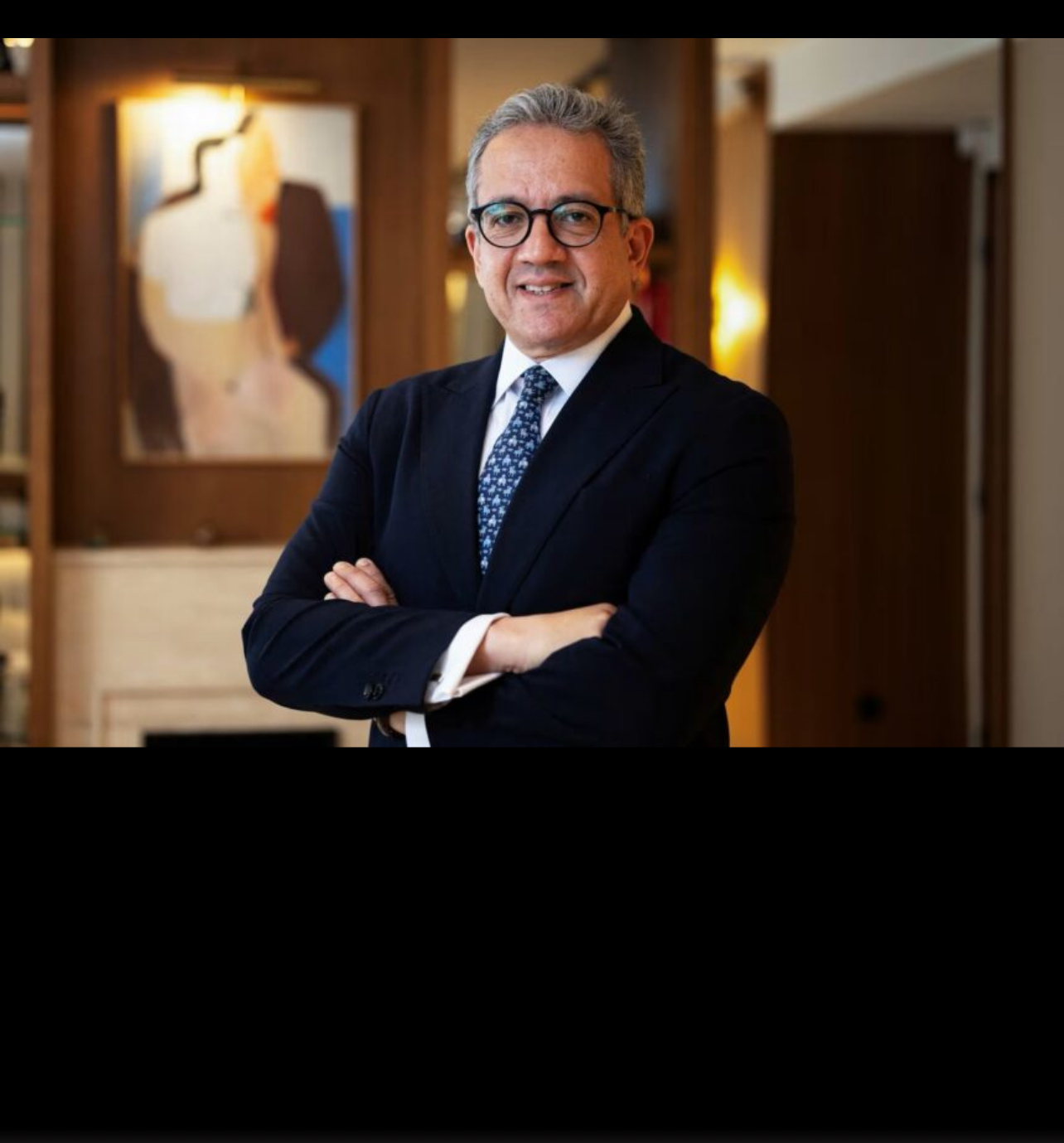
Dr. Khaled El-Enany
Director-General of the United Nations Educational, Scientific and Cultural Organization, Candidate endorsed by the African Union and the League of Arab States
Few figures in international cultural diplomacy carry the breadth of distinction that Dr. Khaled El-Enany brings to UNESCO. Born in 1971, he is a Professor of Egyptology at Helwan University with over thirty years on faculty, a scholar whose teachings on the civilisation and archaeology of Ancient Egypt have resonated across prestigious institutions in nearly twenty countries.
His career took a defining turn when he became Egypt's Minister of Tourism and Antiquities, overseeing more than two thousand archaeological sites, forty museums, and a workforce of thirty-five thousand employees. Under his watch, the Grand Egyptian Museum rose to completion, the landmark "Tutankhamun: Treasures of the Golden Pharaoh" exhibition drew 1.4 million visitors in Paris, and the legendary Pharaohs' Golden Parade captivated a global audience of billions.
Named Knight of the Order of Arts and Letters by France, honoured with the Order of Merit by Poland, and awarded the Order of the Rising Sun by Japan. In November 2024, he was designated Special Ambassador for Cultural Tourism by UN Tourism and Patron of the African World Heritage Fund. His candidacy for UNESCO Director-General, endorsed by both the African Union and the League of Arab States, positions him to become the first Director-General from the Arab world, and only the second African, in UNESCO's eighty-year history.
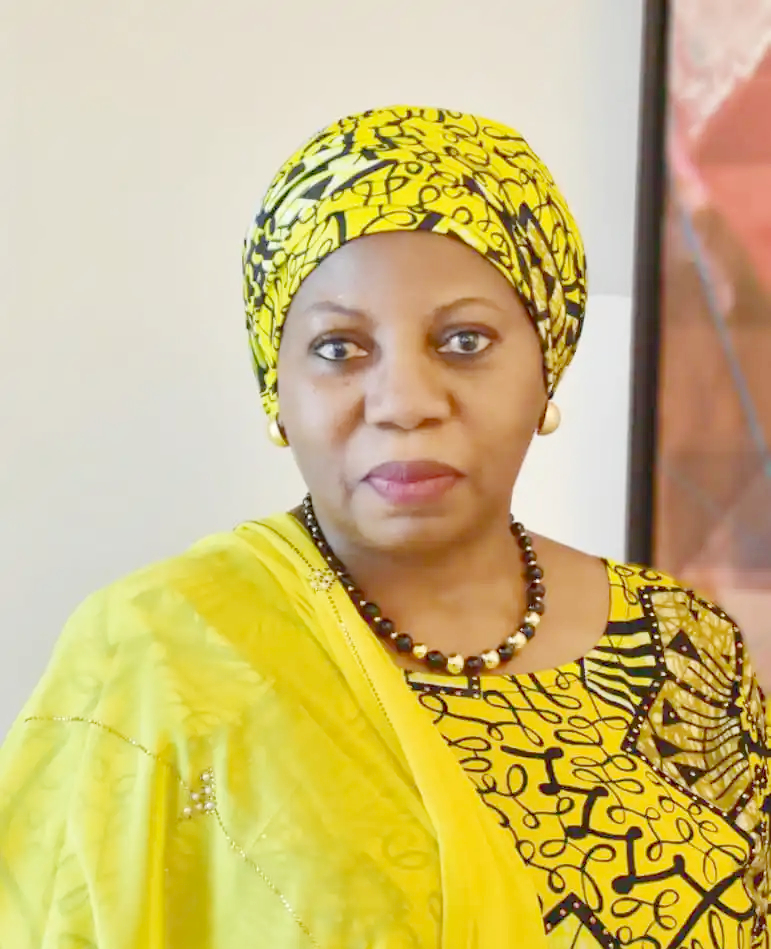
H.E. Dr. Hajo Sani, OON
Ambassador, Permanent Delegate of Nigeria to UNESCO, Paris, Officer of the Order of the Niger
A school principal who rose to become a Minister, an Ambassador, and one of Nigeria's most consequential voices on women's rights, Dr. Hajo Sani's career is a masterclass in purposeful public service. Holding a Doctorate in Public Administration and Policy Analysis, she served as Minister of Women Affairs and Social Development, where she led Nigeria's delegation to the United Nations and defended the country's report on CEDAW at the 19th Session of the UN General Assembly in New York.
A prolific author and gender advocate, she founded Women and National Development (WAND), and has published three landmark books on women's leadership and empowerment. Her work as Director at the Bill and Melinda Gates Foundation and Senior Special Assistant to the President of Nigeria on Women Affairs reflects the trust that Nigeria's highest offices have placed in her judgment and integrity.
In 2021, the Federal Government of Nigeria appointed her Ambassador and Permanent Delegate to UNESCO in Paris, bringing to the global stage the full weight of a career devoted to education, gender equality, and the advancement of African women.
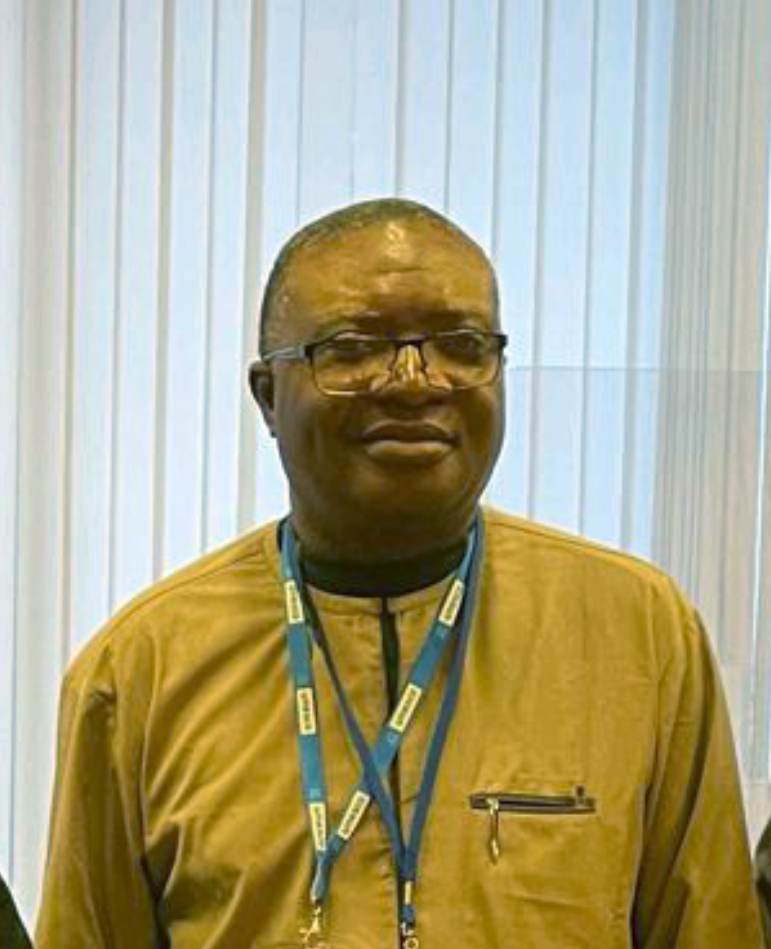
Dr. Lateef Idowu Olagunju
Secretary General, National Commission for UNESCO, Nigeria
Dr. Lateef Idowu Olagunju serves as the Secretary General of the National Commission for UNESCO in Nigeria, the apex governmental body charged with coordinating and advancing Nigeria's obligations and commitments within the United Nations Educational, Scientific and Cultural Organization.
In this capacity, he functions as the primary institutional interface between the Federal Government of Nigeria and UNESCO's global mandate, overseeing the implementation of UNESCO programmes across education, science, culture, communication, and social sciences at the national level. His role places him at the nexus of international educational diplomacy and domestic policy execution, ensuring that Nigeria's participation in the UNESCO ecosystem translates into concrete, measurable outcomes aligned with the 2030 Agenda for Sustainable Development.
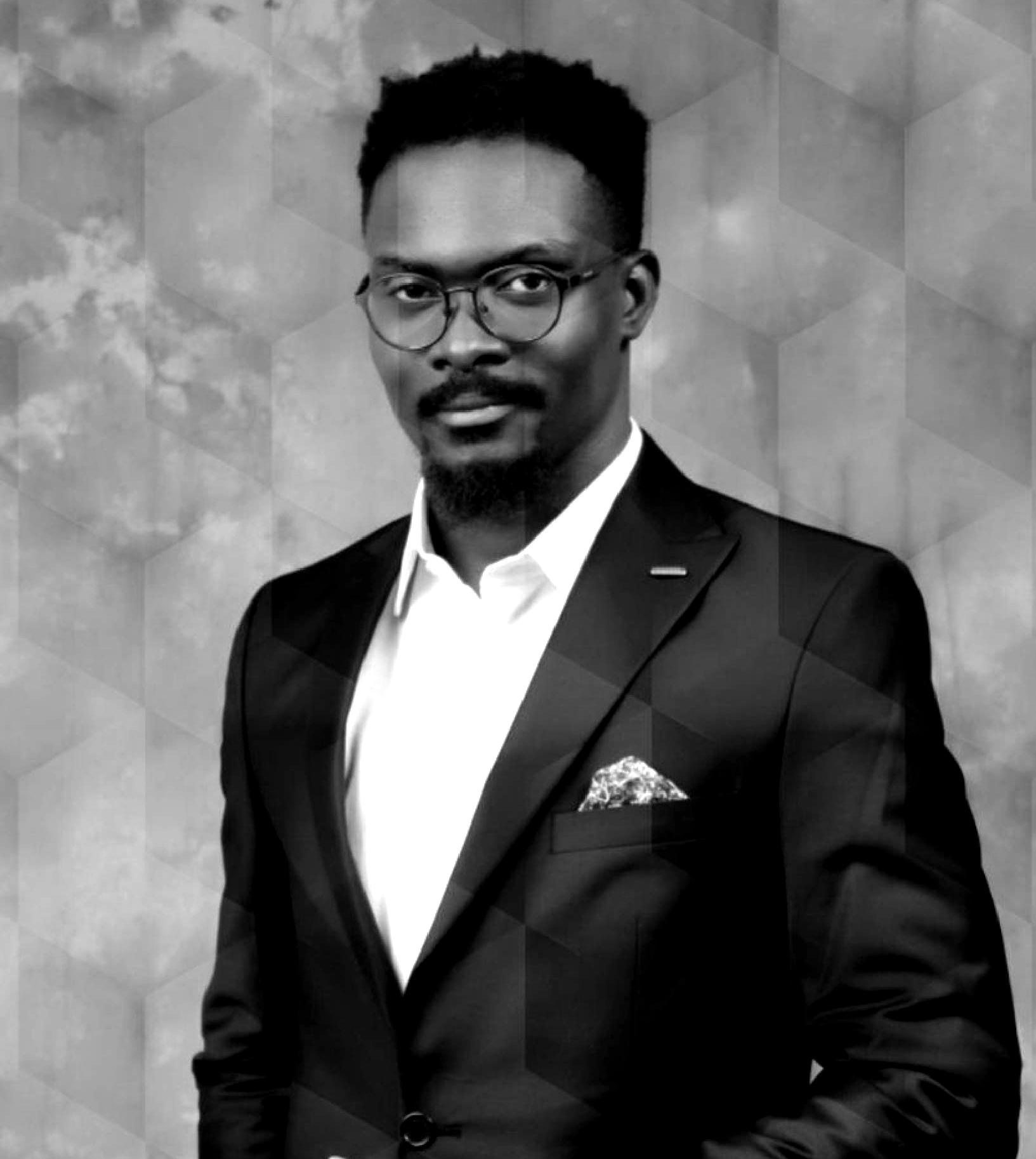
Prince Abdulsalami Ladigbolu-Oranmiyan
President, Read and Earn Federation for UNESCO, Scientist, Statesman and Long Standing Fellow, UK Association of Business Executives (UK‑LS.FABE)
A scientist, statesman, and Long Standing Fellow of the United Kingdom Association of Business Executives, Prince Abdulsalami Ladigbolu-Oranmiyan (UK‑LS.FABE) is a leader whose intellectual authority is anchored in three immutable principles: Bravery, Loyalty, and Truth.
He is a direct descendant of Oranmiyan, the supreme Yoruba warrior-statesman who, from the sacred city of Ile-Ife, extended his authority across three of West Africa's greatest civilisations: the Oyo Empire, which he founded and which became one of the most powerful states in sub-Saharan Africa; the Benin Kingdom, which he established and whose dynasty endures to this day; and the ancient throne of Ile-Ife itself, the spiritual heartland of the Yoruba people.
Prince Ladigbolu-Oranmiyan's great-great-grandfather, Alaafin Ladigbolu I of Oyo, stood as a signatory to the Amalgamation of Nigeria in 1914, the historic instrument through which Lord Lugard unified the Northern and Southern Protectorates, forging the nation that would become Africa's most populous. His successor, Alaafin Ladigbolu II, reigned during Nigeria's Independence in 1960, bearing witness to, and in no small measure shaping, the transition from colonial order to sovereign nationhood.
A practitioner of The Extended Mind, the philosophy that human thinking transcends the boundaries of the brain, drawing power from environment, body, and collective intelligence, he brings to UNESCO REF not only a scholar's precision and a strategist's clarity, but the weight of a legacy that has, for centuries, shaped the course of West African history.
Where the United Nations mandate meets ground-level action.
UNESCO REF -- Institutional Leadership