• Working Hours - Mon - Fri: 8:00am - 4:00pm
What are you looking for?

Category Archives: The Dispatch

UNESCO REF President and Dr. Mrs. Egbetokun: Working Visit to Honourable Minister of Women Affairs, Hajiya Imaan Sulaiman‑Ibrahim: Finalising Modalities for Food Security Through Young Women in Agriculture and National 12 Million Mobilization Campaign in Nigeria

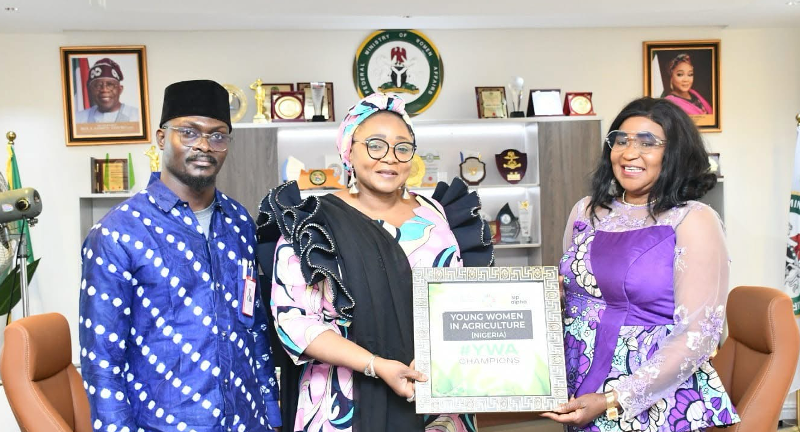
The President of the UNESCO‑REF, Prince Abdulsalami Ladigbolu‑Oramiyan, accompanied by Dr. Mrs. Egbetokun, paid a formal working visit to the Honourable Minister for Women Affairs to consolidate modalities for the implementation of the Young Women in Agriculture (YWA) Programme. This high‑level engagement reflects a shared commitment to advancing food security, women’s empowerment, and sustainable development in Nigeria.

UNESCO‑REF President and Dr. Mrs. Egbetokun’s Working Visit to Honourable Minister Hajiya Imaan Sulaiman‑Ibrahim: Finalising Modalities for Food Security Through Young Women in Agriculture and National Mobilization Campaign

The President of the UNESCO Read and Earn Federation (UNESCO‑REF), Prince Abdulsalami Ladigbolu‑Oramiyan, accompanied by Dr. Mrs. Egbetokun, paid a formal working visit to the Honourable Minister for Women Affairs, Hajiya Imaan Sulaiman‑Ibrahim, to consolidate modalities for the implementation of the Young Women in Agriculture (YWA) Programme and to advance preparations for the National 12‑Million Youth Mobilization Campaign in Nigeria. This high‑level engagement reflects a shared commitment to food security, women’s empowerment, and inclusive national development.

Diplomatic and National Context

The visit comes at a time when the Federal Government under President Bola Ahmed Tinubu has declared food security a national priority, positioning agriculture as a cornerstone of economic resilience. The discussions also align with the First Lady’s Food Bank Initiative, which seeks to combat hunger and provide nutritional support to vulnerable populations. By empowering young women in agriculture and mobilizing millions of youth nationwide, UNESCO‑REF and the Ministry of Women Affairs are laying the foundation for sustainable food systems and national stability.

UNESCO‑REF’s Institutional Mandate

Prince Ladigbolu‑Oramiyan emphasized that both the YWA Programme and the 12‑Million Youth Mobilization Campaign are part of UNESCO‑REF’s broader institutional strategy to accelerate Nigeria’s attainment of the United Nations Sustainable Development Goals (SDGs), particularly Goal 1 (No Poverty) and Goal 2 (Zero Hunger). He noted that the Honourable Minister’s leadership ensures that these initiatives are nationally coordinated, diplomatically aligned with government priorities, and capable of mobilizing multi‑stakeholder partnerships for maximum impact.

Dr. Mrs. Egbetokun underscored the importance of integrating women’s empowerment and youth mobilization into agricultural policy frameworks, highlighting that young Nigerians represent a critical demographic for driving innovation, productivity, and resilience in the sector. She reaffirmed the Ministry’s readiness to collaborate with UNESCO‑REF in expanding training opportunities, mobilizing resources, and ensuring that both initiatives reach communities across Nigeria.

Conclusion

The working visit concluded with a mutual commitment to establish joint action frameworks, strengthen institutional collaboration, and mobilize partnerships for the successful rollout of the YWA Programme and the 12‑Million Youth Mobilization Campaign. This milestone reflects Nigeria’s determination to empower young women, mobilize youth nationwide, enhance food security, and contribute meaningfully to the attainment of the SDGs.

By aligning UNESCO‑REF’s institutional mandate with the President’s food security agenda and the First Lady’s Food Bank Initiative, this collaboration demonstrates a diplomatic synergy between civil society, government, and traditional leadership, positioning Nigeria as a continental leader in youth‑driven agricultural transformation and national development.

UNESCO‑REF President’s Working Visit to Nigeria Police Force: Advancing National Cohesion Through Youth Engagement

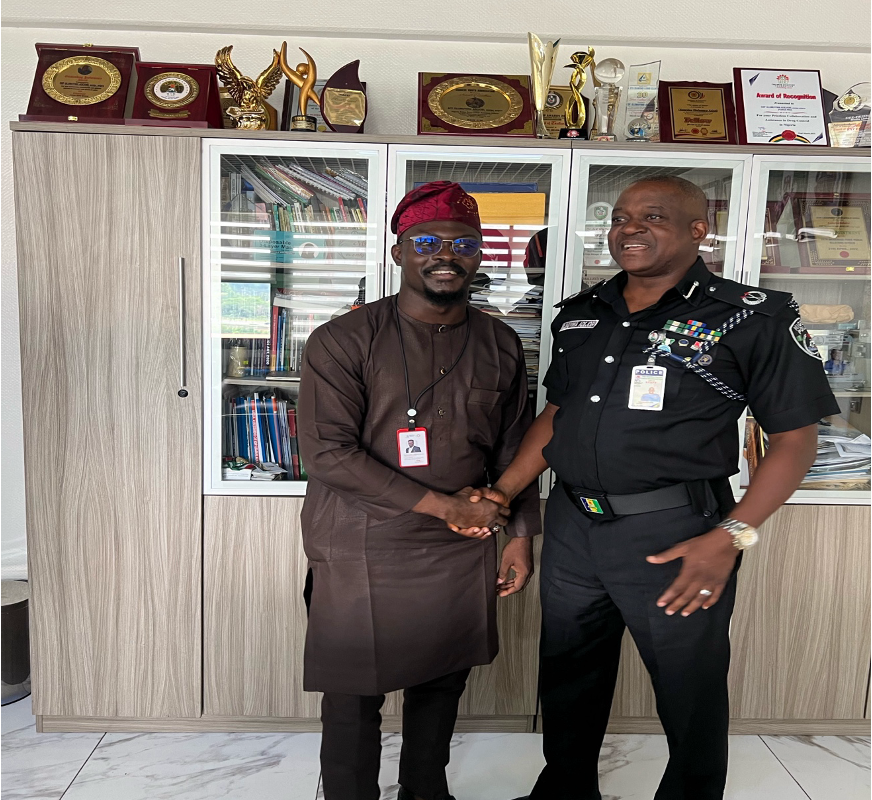
The President of the UNESCO Read and Earn Federation (UNESCO‑REF), Prince Abdulsalami Ladigbolu‑Oramiyan, paid a high‑level working visit to Deputy Commissioner of Police Muyiwa Adejobi, Force Public Relations Officer of the Nigeria Police Force (NPF), during the period of the End Bad Governance Protests. The visit was convened to finalize preparations for the first‑ever UNESCO‑REF Nigeria Police Youth Summit, a landmark national initiative designed to strengthen cordial relations between the Nigeria Police Force and Nigerian youth.

National Significance of the Engagement

This working visit represents a strategic intervention at a critical moment in Nigeria’s democratic journey. By fostering dialogue between law enforcement and young citizens, the initiative directly addresses the need for trust‑building, civic education, and inclusive participation in national security and governance. It reflects UNESCO‑REF’s institutional mandate to support Nigeria’s progress toward the United Nations Sustainable Development Goals (SDGs), particularly Goal 16 (Peace, Justice, and Strong Institutions) and Goal 17 (Partnerships for the Goals).

Prince Ladigbolu‑Oramiyan emphasized that the Nigeria Police Youth Summit is not merely an event, but a national platform for reconciliation and partnership. It is designed to:

•  Bridge communication gaps between the Police and youth communities.

•  Promote responsible citizenship and respect for the rule of law.

•  Enhance youth participation in community policing and national development.

•  Serve as a model for institutional collaboration that strengthens Nigeria’s democratic resilience.

Institutional Collaboration and Vision

DCP Adejobi welcomed the initiative, affirming the Nigeria Police Force’s readiness to partner with UNESCO‑REF in advancing youth‑focused programmes that reduce friction and build mutual respect. He noted that the Summit provides a structured avenue for dialogue, ensuring that youth voices are constructively integrated into national security discourse.

Prince Ladigbolu‑Oramiyan further underscored that the Summit is part of UNESCO‑REF’s broader strategy to enhance Nigeria’s attainment of the SDGs. By creating a platform for constructive engagement, the initiative will not only strengthen police‑youth relations but also contribute to national stability, social cohesion, and inclusive development.

Conclusion

The working visit concluded with a shared commitment to ensure the successful hosting of the UNESCO‑REF Nigeria Police Youth Summit, which will convene over 400 delegates nationwide, including youth leaders, police representatives, civil society actors, and development partners. This milestone initiative reflects Nigeria’s determination to transform police‑youth relations into a partnership rooted in dialogue, trust, and shared responsibility for the nation’s future.https://youtu.be/Mw3Wl4R5bLg?si=MvNPlxqrDs7SdOWh

The Royal Seal: HIM Ooni Ojaja II Accepts Nomination as Royal Father for UNESCO REF YWA Champions

The Royal Seal: HIM Ooni Ojaja II Accepts Nomination as Royal Father for UNESCO‑REF YWA Champions

The UNESCO Read and Earn Federation (UNESCO‑REF) proudly announces that His Imperial Majesty, Ooni Ojaja II, the Ooni of Ife, has formally accepted the nomination to serve as Royal Father of the UNESCO‑REF Young Women in Agriculture (YWA) Champions Programme. This endorsement represents a landmark moment in the advancement of youth and women empowerment in Nigeria, combining cultural authority with global development priorities.

Strategic Alignment with National Agenda

His Imperial Majesty’s decision to accept this role is deeply aligned with the Federal Government’s food security agenda under President Bola Ahmed Tinubu, which identifies agriculture as a cornerstone of national development and economic resilience. By lending his royal seal to the YWA Champions Programme, the Ooni of Ife reinforces the government’s commitment to strengthening agricultural productivity, empowering youth, and ensuring sustainable livelihoods.

This endorsement also resonates with the First Lady’s Food Bank Initiative, which seeks to combat hunger and provide nutritional support to vulnerable populations. The YWA Champions Programme complements this ambition by equipping young women with the tools, training, and opportunities to become active contributors to food production and distribution, thereby reinforcing Nigeria’s food security architecture.

UNESCO‑REF’s Institutional Perspective

Speaking on the significance of the Ooni’s acceptance, Prince Abdulsalami Ladigbolu‑Oramiyan, President of UNESCO‑REF, emphasized that the partnership is part of a broader strategy to enhance the attainment of the United Nations Sustainable Development Goals (SDGs), particularly Goal 1 (No Poverty) and Goal 2 (Zero Hunger). He noted that the Ooni’s royal endorsement provides a powerful cultural and institutional platform to mobilize communities, strengthen advocacy, and accelerate progress toward these global targets.

Prince Ladigbolu underscored that the YWA Champions Programme is designed not only to empower young women in agriculture but also to serve as a model of multi‑stakeholder collaboration, integrating traditional leadership, civil society, and government priorities into a unified framework for sustainable development.

The YWA Champions Programme

The Young Women in Agriculture (YWA) Programme is a flagship initiative of UNESCO‑REF aimed at:

•  Empowering young women through agricultural training, mentorship, and access to modern technologies.

•  Promoting sustainable food systems and enhancing community resilience.

•  Advancing gender equality by positioning women as leaders in agricultural innovation.

•  Contributing directly to the achievement of the SDGs, particularly those related to poverty eradication, food security, and inclusive economic growth.

Conclusion

The acceptance of the Royal Father role by His Imperial Majesty, Ooni Ojaja II, represents both a symbolic and strategic milestone. By aligning his royal endorsement with the President’s food security agenda, the First Lady’s Her Excellency Senator Oluremi Tinubu on her Food Bank Initiative, and UNESCO‑REF’s institutional mandate, the Ooni has demonstrated visionary leadership and a profound commitment to national and global development.

With this royal seal, the YWA Champions Programme is poised to achieve greater impact, ensuring that young women across Nigeria and Africa are empowered to drive agricultural transformation, reduce poverty, combat hunger, and contribute meaningfully to the attainment of the United Nations Sustainable Development Goals.

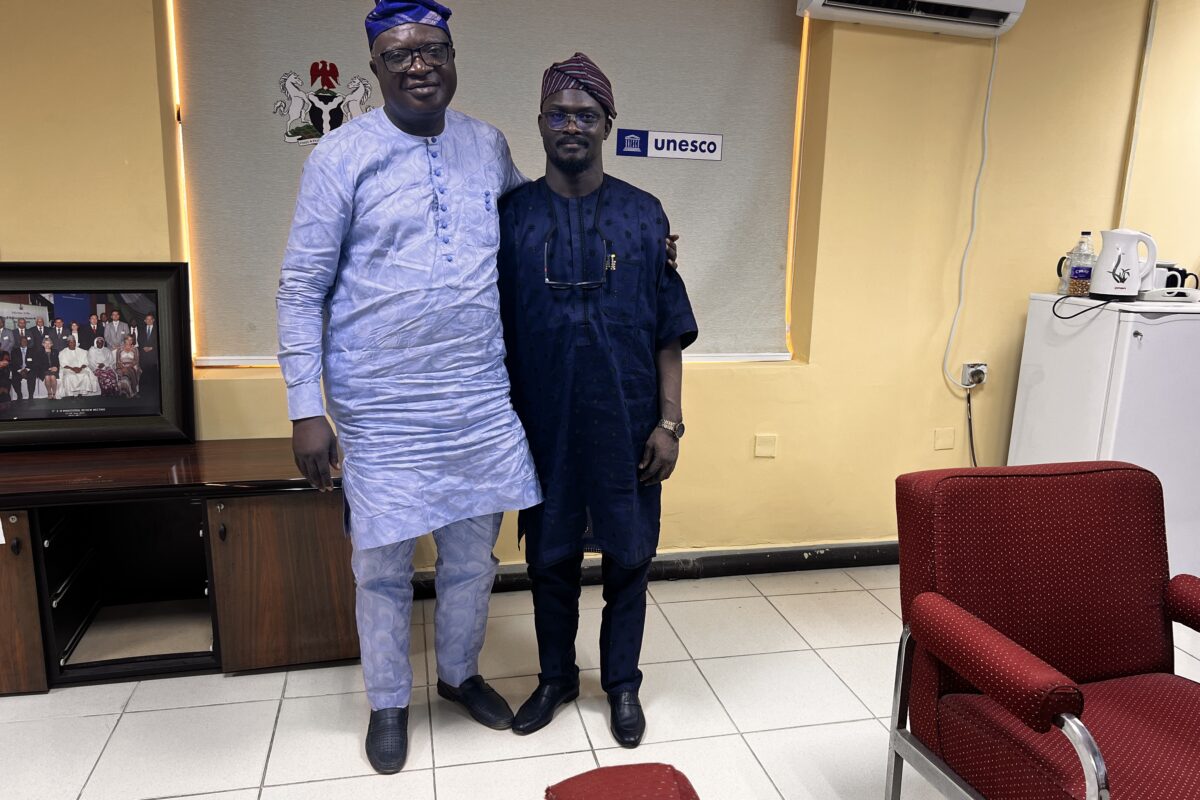
UNESCO REF President: Working Visit to Dr. Lateef Olaguju, Secretary-General of the Nigerian National Commission for UNESCO, on the Enhanced Institutional Mandate for SDGs Attainment in Nigeria

UNESCO‑REF President’s Working Visit to Nigerian National Commission for UNESCO

The President of the UNESCO Read and Earn Federation (UNESCO‑REF), Prince Abdulsalami Ladigbolu, undertook a formal working visit to Dr. Lateef Olagunju, Secretary‑General of the Nigerian National Commission for UNESCO (NATCOM‑UNESCO), to advance dialogue on the Enhanced Institutional Mandate for Sustainable Development Goals (SDGs) attainment in Nigeria.

This high‑level engagement reaffirmed the shared commitment of both institutions to strengthen Nigeria’s role in UNESCO’s global mission, while aligning national priorities with the 2030 Agenda for Sustainable Development. Discussions focused on consolidating institutional frameworks, expanding youth empowerment initiatives, promoting gender equality, advancing digital transformation, and fostering inclusive education as strategic pathways toward achieving the SDGs.

Prince Ladigbolu emphasized UNESCO‑REF’s readiness to collaborate closely with NATCOM‑UNESCO in mobilizing expertise, resources, and innovative programmes that directly benefit Nigerian communities. He underscored that the partnership represents a model of multi‑stakeholder cooperation, designed to accelerate measurable progress in sustainable development while reinforcing Nigeria’s leadership within UNESCO’s global network.

Dr. Olagunju welcomed the initiative, highlighting the importance of building synergies to ensuring effective implementation of UNESCO‑mandated programmes. He noted that the enhanced institutional mandate would not only strengthen Nigeria’s capacity to deliver on the SDGs but also contribute to UNESCO’s broader vision of peace, human dignity, and sustainable development.

The visit concluded with a mutual commitment to establish joint action frameworks, expand stakeholder participation, and ensure that Nigeria’s engagement with UNESCO continues to serve as a benchmark for impactful, inclusive, and globally relevant development initiatives. https://unesco-ref.org/about-unesco-ref/